

China's luxury slump sent shockwaves through the global fashion and cosmetics industry, but top brands are now fighting back. After a sharp drop in sales that deepened during the US-China tariff war, luxury houses like LVMH, L'Oreal, and Burberry saw their Asian revenue plummet—and their stock prices follow.
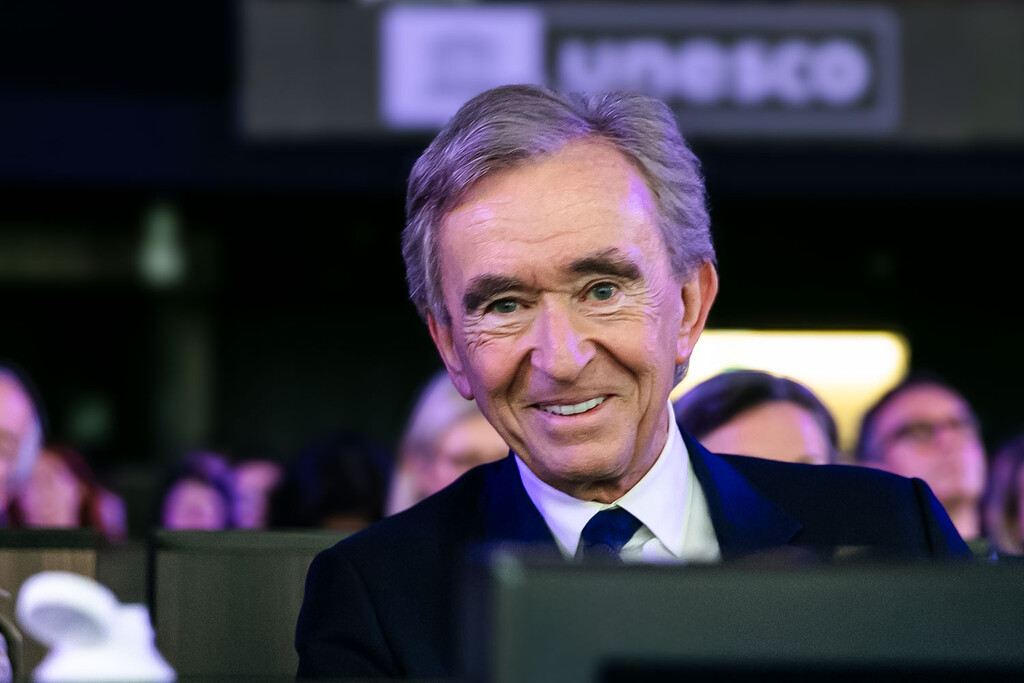
The impact was severe: Bernard Arnault, LVMH's chairman and main shareholder, was the world's richest person in 2023 according to Forbes, but now ranks ninth among global fortunes. Yet recent scenes in Shanghai suggest the tide may be turning.
Find Original Home Decor sparking conversation at Grand Goldman Shop.

What Caused the China Luxury Slump?
The downturn didn't happen overnight. A combination of economic headwinds, geopolitical tensions, and shifting consumer confidence created a perfect storm for luxury brands.
Reciprocal tariffs of up to 20% on European goods threatened to make luxury handbags and watches even more expensive, just as the sector hoped to recover from years of weak demand in China. Swiss-made brands like Rolex and TAG Heuer were especially exposed to price hikes from these tariffs.
Meanwhile, the war in Iran disrupted shopping at major luxury hubs like Dubai, further dampening global luxury spending. Chinese consumers, who had long powered the industry's growth, pulled back dramatically.
How Brands Are Winning Back Chinese Shoppers
During Lunar New Year in Shanghai, queues outside the original Louis Vuitton store—designed to resemble a cruise ship's bow—wrapped around the corner. This scene signals a renewed appetite for fashion and cosmetics among Chinese shoppers.
Luxury brands have managed to recapture attention by doubling down on experiential retail, limited-edition drops, and localized marketing. They're also leveraging digital channels and influencers to reconnect with younger consumers.
- Experiential retail: Flagship stores are becoming destinations with unique architecture and immersive experiences.
- Localized marketing: Campaigns tailored to Chinese cultural moments like Lunar New Year drive engagement.
- Digital innovation: Brands are using social commerce and live streaming to reach shoppers.
- Product diversification: Entry-level items like cosmetics and accessories attract new customers.
- Strategic pricing: Adjusting prices to mitigate tariff impacts while maintaining exclusivity.
The Financial Fallout for Luxury Giants
The slump hit revenues and valuations hard. LVMH, L'Oreal, and Burberry all reported significant declines in Asian sales, which dragged down their share prices.
Arnault's drop in the wealth rankings underscores the scale of the impact. The luxury sector, once a safe bet for investors, suddenly looked vulnerable to geopolitical and economic shocks.
| Brand | Key Challenge | Recent Development |
|---|---|---|
| LVMH | Asian revenue decline | Arnault's wealth rank fell from 1st to 9th |
| L'Oreal | Cosmetics sales drop in China | Focus on localized marketing |
| Burberry | Tariff exposure and weak demand | Revamping product lines |
| Rolex | Swiss-made tariff impact | Limited production, waiting lists |
| TAG Heuer | Price sensitivity | Emphasis on heritage and innovation |
What's Next for the Luxury Industry?
The recovery is fragile. While Chinese shoppers are returning to stores, the broader economic environment remains uncertain. Tariff threats haven't disappeared, and geopolitical tensions could resurface. The background to this story is set out in Armani Plays It Safe in Milan as LVMH Sale Talks Loom. A related thread runs through 58 Best Luxury Watches for Demanding Men Like You (Top Brands). Earlier coverage in James Howells Gives Up on Recovering 8,000 Lost Bitcoin After 12 Years shows how the argument developed.
Brands must balance exclusivity with accessibility, especially as Chinese consumers become more discerning. The winners will be those that innovate in customer experience and adapt to local tastes without diluting their global appeal. A closer look at the same subject appears in Gulf of Mexico Marine Life Still Recovering from BP Oil Spill. Anyone following the wider picture can start with Luxury Brands Invest in Cultural Events. The same theme surfaces in 18 Best Swiss Luxury Watch Brands To Know, which takes a different angle.
Investors should watch for sustained sales growth in China and how brands navigate potential new tariffs. The luxury market's resilience will depend on its ability to turn headlines into lasting loyalty. Context on how this played out before sits in 27 Best Old Money Brands: Timeless Labels Defining Quiet Luxury. A companion piece, 17 Best Black Luxury Watches for Men: Top Brands Reviews, approaches the same subject from another angle.
FAQ
Why did luxury sales in China drop?
Luxury sales in China fell due to a combination of economic slowdown, US-China tariff tensions, and reduced consumer confidence. The pandemic also altered shopping habits, and brands struggled to adapt quickly.
How are luxury brands recovering in China?
Brands are using experiential retail, localized marketing campaigns, and digital engagement to lure shoppers back. Events like Lunar New Year and exclusive product drops have helped reignite interest.
What impact did tariffs have on luxury goods?
Reciprocal tariffs of up to 20% on European goods threatened to raise prices on luxury items, particularly Swiss watches. This added pressure on brands already facing weak demand in China.
Is the luxury market in China fully recovered?
Not yet. While there are signs of recovery, the market remains fragile. Ongoing economic uncertainty and potential new tariffs could still disrupt growth.
Browse the Shop
 Acacia frida deluxe solid wood bed frame |
Bedroom bench |
Bed chest drawers |
Lingerie dresser |
Frame base |
Mirror with jewelry storage |
30 Bathroom Vanity |
Memory foam queen mattress |
Mattresses for back pain |
Nightstand set of 2 |
Grand Goldman Shop |
Civil Lawyer
Deutschland Trikot WM 2026







