

A traveler named Patrick was recently charged over $400 after an AI inspection detected a tiny scratch on his rental car upon return. The incident, reported by The Drive, highlights the growing use of artificial intelligence in the rental car industry and raises questions about fairness and transparency for consumers.
Patrick had rented a Volkswagen from Thrifty, a subsidiary of Hertz, at Hartsfield-Jackson Atlanta International Airport. After returning the car, he was surprised to receive a bill for $440 due to a 2.5-centimeter scratch on the rear driver's side wheel.
Find Original Home Decor sparking conversation at Grand Goldman Shop.

What Happened: AI Spots a Tiny Scratch
During a trip, unexpected issues can arise—that's something any traveler should anticipate. But what happened to Patrick is far less common. After returning his rental car at the Hertz location at Atlanta's airport, he thought everything was in order. Minutes later, he was informed of the hefty charge.
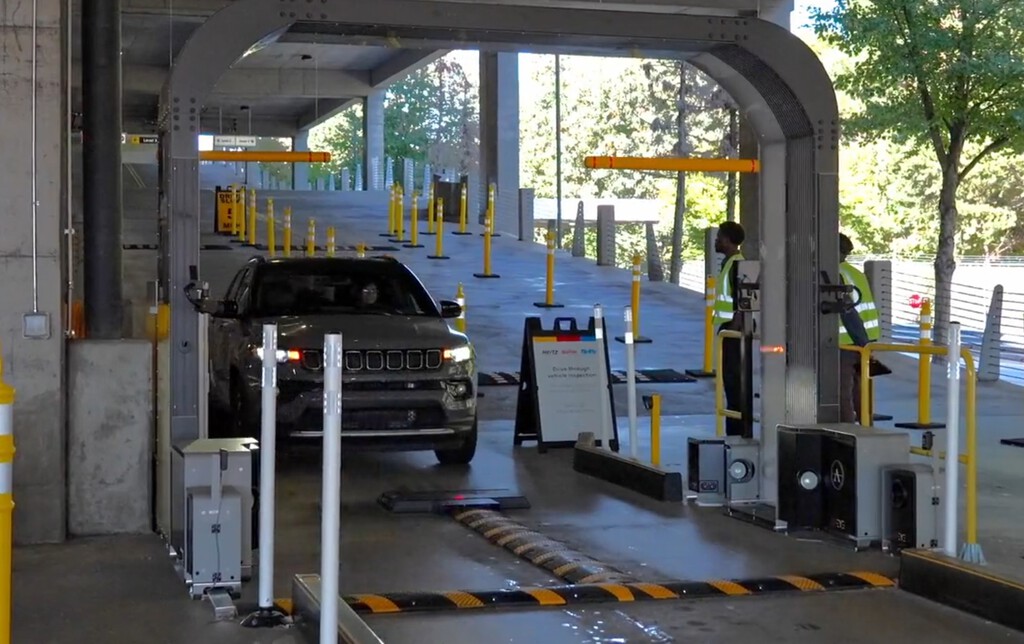
The company had identified a 2.5 cm scratch on the rear wheel and demanded payment for the repair. The story, originally reported by The Drive, likely worries many tourists planning to rent a car for their vacations.
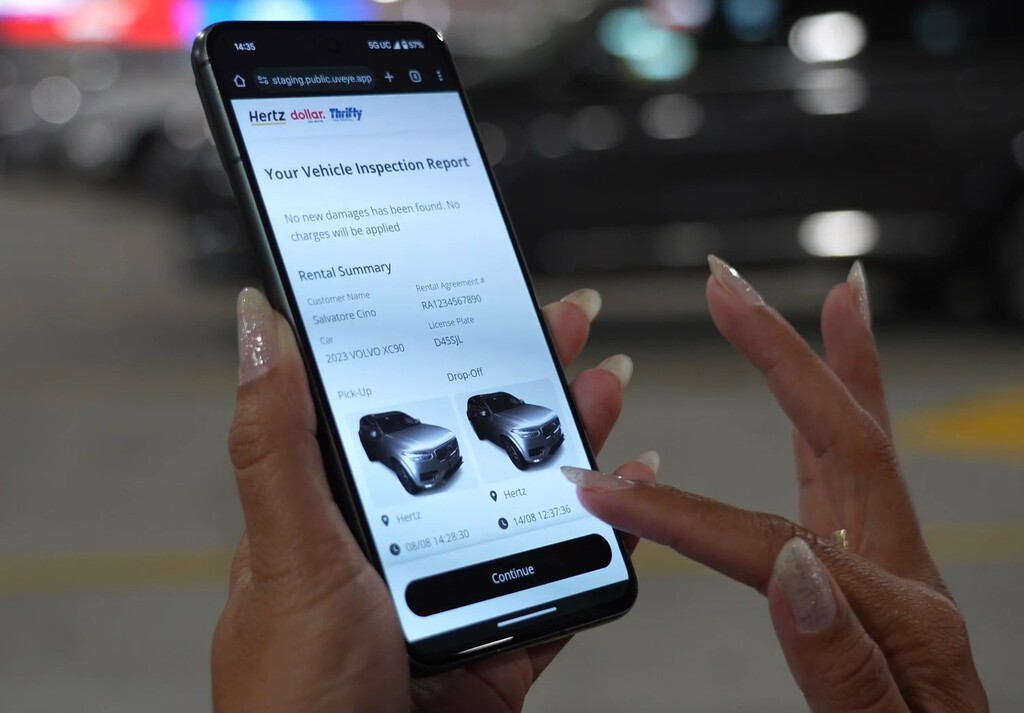
How AI Inspections Work in Rental Cars
Rental companies are increasingly using AI-powered systems to inspect vehicles. These systems use high-resolution cameras and machine learning algorithms to detect damage that the human eye might miss.
In Patrick's case, the AI analyzed the vehicle in seconds and flagged the scratch. While this technology can speed up the return process and reduce disputes, it also raises concerns about the potential for overcharging customers for minor issues.
The Technology Behind the Scrutiny
AI inspection systems typically involve a drive-through scanner that captures images of the vehicle from multiple angles. The software then compares these images to a baseline of the car's condition before rental. Any discrepancies are flagged for review.
According to the report, the system identified a 2.5 cm scratch on the rear wheel. The repair cost was estimated at $440, which Patrick was expected to pay.
Why This Matters for Travelers
This incident is a wake-up call for anyone renting a car. With AI inspections becoming more common, travelers need to be more vigilant than ever about documenting a vehicle's condition before and after rental.
- Document everything: Take photos and videos of the car before and after rental, focusing on wheels, bumpers, and other vulnerable areas.
- Understand the damage policy: Know what constitutes "damage" and what the repair costs might be.
- Inspect the car thoroughly: Don't rely solely on the rental company's inspection; do your own walk-around.
- Consider rental car insurance: Additional coverage can protect you from unexpected charges.
- Dispute unfair charges: If you believe a charge is unjustified, contest it with the company and your credit card issuer.
The Debate Over AI in Rental Inspections
While AI can bring efficiency, it also raises ethical questions. Is it fair to charge a customer hundreds of dollars for a scratch that might have been pre-existing or caused by normal wear and tear? The answer isn't straightforward. The longer history behind the story is traced in AI Finds 2.5cm Scratch on Rental Car, Charges $440.
Rental companies argue that AI provides objective evidence and reduces human error. However, consumers worry about the lack of transparency and the potential for aggressive billing practices. The background to this story is set out in Mexican Cartels Exploit Car Rentals to Build Fleets. A related thread runs through US West Coast Road Trip: Best Itinerary, Car Rental, Cost & Tips. Earlier coverage in Car: latest articles shows how the argument developed.
| Pros of AI Inspections | Cons of AI Inspections |
|---|---|
| Faster return process | Potential for overcharging |
| Objective damage detection | Lack of human discretion |
| Reduced disputes over pre-existing damage | May flag minor wear as damage |
| Consistent standards | Limited transparency for customers |
What to Watch Next
As AI inspections become more prevalent, expect more stories like Patrick's. Consumer advocacy groups may push for clearer regulations and transparency. Rental companies might also refine their systems to distinguish between normal wear and tear and actual damage. A closer look at the same subject appears in Chinese Automakers to Hold 15% of European Car Sales, Analyst Says. Anyone following the wider picture can start with Caravana Rental for the Eclipse: Why 100% Is Booked Solid. The same theme surfaces in Chinese Car Brands in Spain: MG, BYD, Lynk & Co and Omoda, which takes a different angle.
For now, travelers should be proactive. Always inspect the rental car carefully and document its condition. If you're unsure about the policy, ask the rental company directly. And remember that your credit card or travel insurance might offer coverage for rental damage. Context on how this played out before sits in Volvo EX60's Smart Seatbelt: The Safety Gadget We Didn't See Coming. A companion piece, 21 Best Free Car Racing and Driving Games for PC in 2026, approaches the same subject from another angle.
FAQ
What is an AI rental car inspection?
An AI rental car inspection uses cameras and machine learning to automatically detect damage on a vehicle. It captures images and compares them to a baseline to flag any new scratches or dents.
Can I dispute an AI-detected damage charge?
Yes, you can dispute the charge with the rental company. Provide your own photos or evidence that the damage was pre-existing. If unresolved, contact your credit card issuer or a consumer protection agency.
How can I avoid unexpected charges for rental car damage?
Thoroughly inspect the car before and after rental, take dated photos and videos, and consider purchasing rental car insurance or using a credit card that offers primary coverage.
Is a 2.5 cm scratch considered significant damage?
It depends on the rental company's policy. Some may charge for any scratch, while others have a threshold. In Patrick's case, the company charged $440 for a 2.5 cm scratch.
Browse the Shop
 Acacia frida deluxe solid wood bed frame |
Bedroom bench |
Bed chest drawers |
Lingerie dresser |
Frame base |
Mirror with jewelry storage |
30 Bathroom Vanity |
Memory foam queen mattress |
Mattresses for back pain |
Nightstand set of 2 |
Grand Goldman Shop |
Civil Lawyer
Deutschland Trikot WM 2026







