

JetZero, a US aerospace startup founded in 2021, is developing the Z4, a blended wing body (BWB) commercial aircraft that could challenge the decades-old tube-and-wing designs perfected by Airbus and Boeing. The Z4 aims to carry around 250 passengers with a range of up to 5,000 nautical miles (about 9,260 kilometers), and its radical shape integrates wings and fuselage for greater efficiency.
For decades, the commercial aviation industry has refined the same basic silhouette: a cylindrical fuselage with wings attached. Whether you look at an Airbus A350 or a Boeing 787, the fundamental layout remains surprisingly familiar. JetZero wants to explore a different path, one that could reshape not just the exterior but also how interior space is distributed.
Find Original Home Decor sparking conversation at Grand Goldman Shop.

What Is a Blended Wing Body Aircraft?
The key to understanding JetZero's approach lies in three words: blended wing body. In a conventional aircraft, the fuselage carries passengers and cargo while the wings provide most of the lift. In a BWB configuration, the central body is integrated much more closely with the wings, creating a seamless lifting surface.
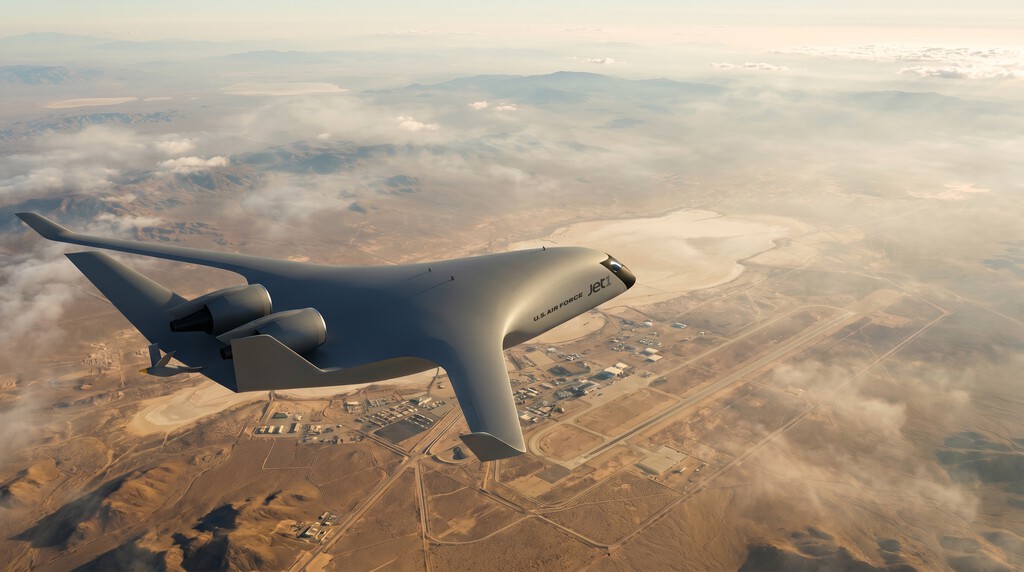
This integration can reduce aerodynamic drag and improve fuel efficiency. It also opens up new possibilities for interior layout, since the wide central body can accommodate passengers in ways that a narrow tube cannot. However, it also presents challenges, particularly in pressurization and structural design.

How the Z4 Compares to Conventional Jets
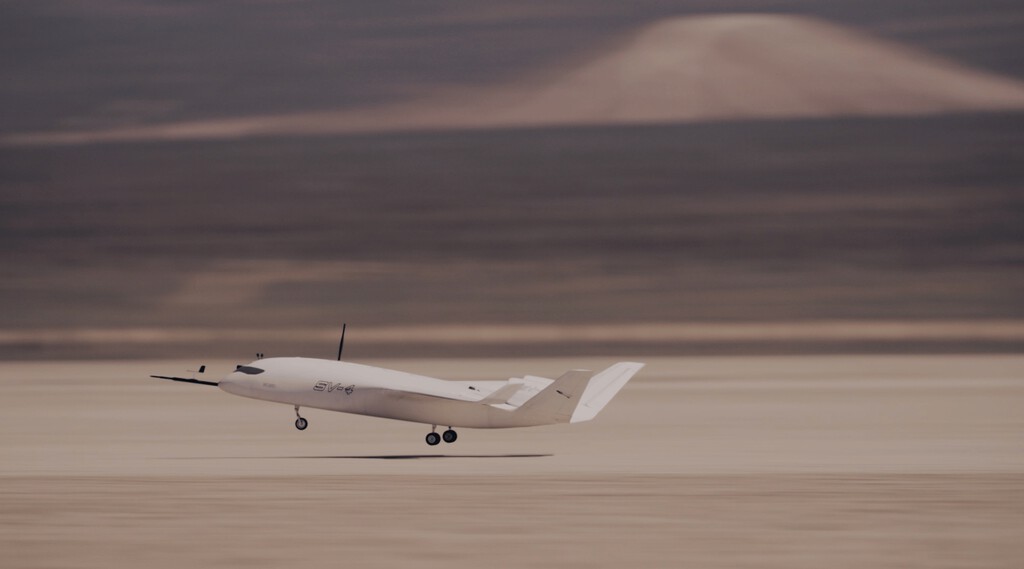
The table below summarizes the key differences between the Z4 and typical conventional aircraft like the Airbus A350 or Boeing 787.
| Feature | JetZero Z4 (planned) | Conventional Jets (e.g., A350, 787) |
|---|---|---|
| Configuration | Blended wing body | Tube and wing |
| Passenger capacity | ~250 | 250-350 (varies by model) |
| Range | Up to 5,000 nmi (9,260 km) | Up to 8,000+ nmi (14,800+ km) |
| First flight (demonstrator) | Jet1 demonstrator targeted for 2027 | Already in service |
Why the Aviation Industry Is Watching JetZero
The dominance of Airbus and Boeing in commercial aviation is well known, but the industry faces increasing pressure to reduce emissions and improve efficiency. The BWB concept is not new—NASA and others have studied it for years—but JetZero is among the first to pursue a full-scale commercial application.

If successful, the Z4 could offer significant fuel savings, which would be a major selling point for airlines. However, the road to certification is long and expensive, and JetZero must prove that the design is safe, manufacturable, and economically viable.
The Jet1 Demonstrator: A Critical Milestone
JetZero plans to fly Jet1, a full-scale demonstrator, in 2027. This aircraft will validate the BWB architecture and its systems. Only after successful testing will the company proceed with the commercial Z4, which will require further development and certification by aviation authorities.
The demonstrator phase is crucial because it will provide real-world data on the design's performance and handling characteristics. It will also help convince regulators and potential customers that the concept is ready for prime time.
Challenges and Opportunities for Blended Wing Body Designs
While the BWB offers aerodynamic advantages, it also presents unique challenges. Pressurizing a non-cylindrical fuselage is more complex, and the wide cabin may require new evacuation procedures. Additionally, airports may need to adapt to the aircraft's wider footprint. Context on how this played out before sits in JetZero's Blended Wing Body Z4 Aims to Break the Airbus-Boeing Mold. A companion piece, C919 First International Flight: China's Answer to Airbus and Boeing, approaches the same subject from another angle.
On the other hand, the spacious interior could allow for innovative passenger experiences, such as more comfortable seating configurations or dedicated social areas. Airlines are always looking for ways to differentiate their product, so this could be a selling point. The background to this story is set out in Car: latest articles. A related thread runs through Resident Evil Games in Chronological Order: The Complete Story Timeline.
- Efficiency gains: BWB designs can reduce drag and improve fuel efficiency by integrating wings and fuselage.
- Interior flexibility: The wide central body allows for novel cabin layouts and passenger amenities.
- Certification hurdles: Non-cylindrical pressurization and evacuation testing are more complex.
- Infrastructure adaptation: Airports may need modifications to accommodate the wider aircraft.
- Competition: Airbus and Boeing are also exploring efficiency improvements, though within conventional layouts.
What This Means for the Future of Air Travel
JetZero's Z4 represents a bold attempt to break the mold that Airbus and Boeing have refined for decades. If the company can overcome the technical and regulatory challenges, it could usher in a new era of aircraft design. However, the timeline is ambitious, and the incumbents are not standing still. Earlier coverage in Meta's 'Big Tobacco' Moment: 29 States Sue Over Addictive Facebook shows how the argument developed. A closer look at the same subject appears in Amazon Echo Show 5 Drops to $64.99 in Massive 41% Discount.
For now, the aviation world will be watching the Jet1 demonstrator's first flight in 2027. Success there could attract the investment needed to bring the Z4 to market. Failure would be a costly setback, but even then, the knowledge gained could inform future designs. Anyone following the wider picture can start with Lidl's 3-in-1 Sandwich Maker: Silvercrest With Interchangeable Plates. The same theme surfaces in Europe's Drought Crisis: Why Northern Countries Now Want More Reservoirs, which takes a different angle.
FAQ
What is a blended wing body aircraft?
A blended wing body (BWB) aircraft integrates the wings and fuselage into a single lifting surface, unlike conventional tube-and-wing designs. This configuration can reduce drag and improve fuel efficiency while offering a wider interior space.
When will the JetZero Z4 enter service?
JetZero plans to fly its Jet1 demonstrator in 2027, with the commercial Z4 following after development and certification. No specific service entry date has been announced, but it is likely years away.
How does the Z4 compare to the Airbus A350 and Boeing 787?
The Z4 is designed for about 250 passengers and 5,000 nautical miles, while the A350 and 787 can carry more passengers and fly farther. However, the Z4's BWB design may offer better efficiency, though it is not yet certified.
What are the main challenges for blended wing body aircraft?
Key challenges include pressurizing a non-cylindrical fuselage, ensuring safe evacuation from a wide cabin, and adapting airport infrastructure. Certification will require extensive testing to meet safety standards.
Browse the Shop
 Acacia frida deluxe solid wood bed frame |
Bedroom bench |
Bed chest drawers |
Lingerie dresser |
Frame base |
Mirror with jewelry storage |
30 Bathroom Vanity |
Memory foam queen mattress |
Mattresses for back pain |
Nightstand set of 2 |
Grand Goldman Shop |
Civil Lawyer
Deutschland Trikot WM 2026







