

Tom Hanks made a bold move by turning down a $7 million fixed salary for Forrest Gump, opting instead for a percentage of the film's gross revenue. This decision, driven by the film's ballooning budget, ultimately paid off spectacularly and became one of Hollywood's smartest financial gambles.
Why Tom Hanks Rejected $7 Million for Forrest Gump
When Paramount greenlit Forrest Gump, the studio was already nervous. The story of a man with intellectual disabilities weaving through decades of American history was a risky bet, and the production budget had soared to $55 million—a huge sum for a drama with no superheroes or franchise potential.
Find Original Home Decor sparking conversation at Grand Goldman Shop.

To keep costs in check, both Hanks and director Robert Zemeckis agreed to defer a large portion of their fixed salaries. But Hanks went further: he gave up his entire $7 million fee in exchange for a share of the film's gross receipts from the first dollar earned.
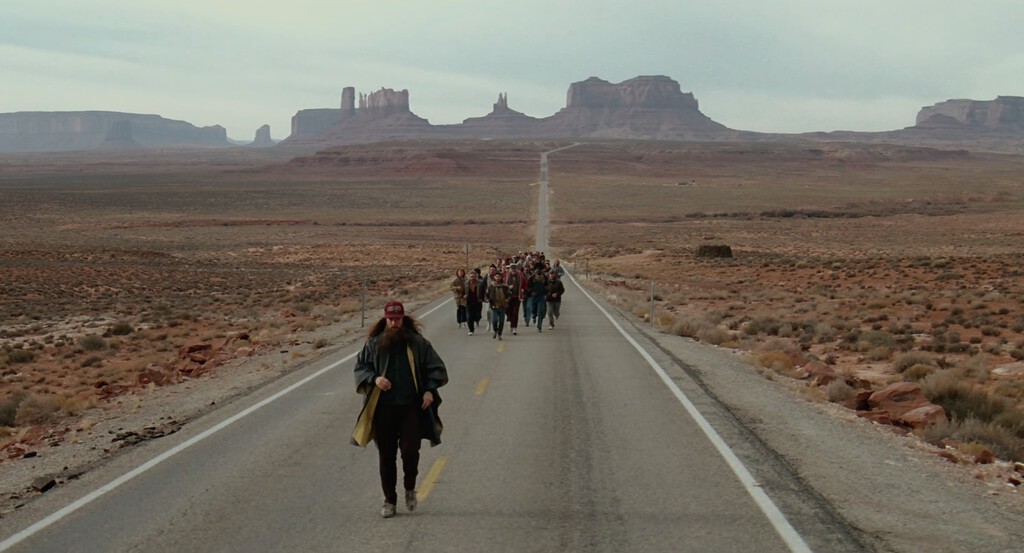
The High-Stakes Gamble That Paid Off
Hanks didn't just reduce his salary; he bet on the movie's success. By taking a percentage of gross revenue instead of a fixed fee, he aligned his payout with the film's performance. This was a significant risk—if the movie flopped, he could have walked away with almost nothing.

But Forrest Gump became a cultural phenomenon, grossing over $678 million worldwide. Hanks's decision to take a cut of the gross meant he earned far more than his original $7 million salary. Estimates suggest his total earnings from the film exceeded $40 million, making it one of the most lucrative deals in Hollywood history.
What This Deal Reveals About Hollywood Economics
Hanks's move highlights a key lesson in the entertainment industry: profit participation can be far more valuable than a fixed salary. Studios often prefer to pay stars upfront to avoid sharing long-term revenue, but actors who believe in a project can negotiate backend deals that yield massive returns.
This strategy isn't unique to Hanks. Many top stars, from Tom Cruise to Keanu Reeves, have taken similar gambles. However, Hanks's case is particularly striking because he gave up a guaranteed payday for a film that initially seemed like a long shot. The longer history behind the story is traced in Tom Hanks Refuses Remake of Classic Harvey: 'Leave It Alone'.
Key Takeaways from Tom Hanks's Forrest Gump Deal
- Risk vs. Reward: Hanks traded a guaranteed $7 million for a chance at a much larger payout.
- Belief in the Project: He was confident that Forrest Gump would resonate with audiences.
- Gross vs. Net: Hanks negotiated a share of gross revenue, which is far more transparent than net profits.
- Career Impact: The film won him his second Academy Award and cemented his status as a Hollywood legend.
- Financial Windfall: His gamble earned him an estimated $40 million or more.
How Hanks's Decision Compares to Other Star Deals
To understand the magnitude of Hanks's choice, consider how it stacks up against other famous profit-participation deals. The table below compares Hanks's Forrest Gump arrangement with two other notable cases. The background to this story is set out in Tom Hanks' 1980s Flop: The Remake That Failed at Box Office. A related thread runs through Barack Obama and Tom Hanks Podcast: Best Celebrity Chats of the Week. Earlier coverage in Australia News: Meta Sanctioned in Forrest Scam Case, RBA Decision shows how the argument developed.
| Actor | Film | Salary Decision | Outcome |
|---|---|---|---|
| Tom Hanks | Forrest Gump | Gave up $7M for gross percentage | Earned ~$40M+ |
| Keanu Reeves | The Matrix | Took profit share over upfront pay | Earned ~$30M+ |
| Tom Cruise | Mission: Impossible | Accepted lower fee for backend | Earned ~$70M+ |
What This Means for Aspiring Actors and Industry Watchers
Hanks's decision underscores the importance of understanding the business side of Hollywood. For actors, it's a reminder that a fixed salary isn't always the best choice—especially when a project has blockbuster potential. For fans, it's a fascinating glimpse into how stars bet on themselves. A closer look at the same subject appears in Celebrity: latest articles. Anyone following the wider picture can start with Why That Thing You Do! Is the Ultimate Feelgood Movie. The same theme surfaces in Inde Navarrette Shines in SNL's Scary Good Halloween Episode, which takes a different angle.
As the film industry evolves with streaming and new distribution models, profit participation deals are becoming more complex. But the core principle remains: those who believe in a project can reap extraordinary rewards. Context on how this played out before sits in Hollywood Movies Shift Production Away From Los Angeles. A companion piece, Tom Hanks' Best Movie Ever Is Jason and the Argonauts, approaches the same subject from another angle.
FAQ
How much did Tom Hanks earn from Forrest Gump?
While exact figures aren't public, estimates suggest Hanks earned over $40 million from his gross participation deal, far exceeding his original $7 million salary.
Why did Tom Hanks give up his salary for Forrest Gump?
Paramount was concerned about the film's $55 million budget. Hanks and director Robert Zemeckis deferred their fees to help the production, with Hanks opting for a percentage of gross revenue instead.
Was Forrest Gump a financial success?
Yes, it grossed over $678 million worldwide and won six Academy Awards, including Best Picture and Best Actor for Hanks.
What is gross participation in Hollywood?
Gross participation means an actor receives a percentage of the film's total revenue from the first dollar earned, as opposed to net profits, which are often reduced by studio accounting.
Browse the Shop
 Acacia frida deluxe solid wood bed frame |
Bedroom bench |
Bed chest drawers |
Lingerie dresser |
Frame base |
Mirror with jewelry storage |
30 Bathroom Vanity |
Memory foam queen mattress |
Mattresses for back pain |
Nightstand set of 2 |
Grand Goldman Shop |
Civil Lawyer
Deutschland Trikot WM 2026







