

Jellyfish are increasingly common on Mediterranean beaches before summer, and this early arrival is a worrying sign of broader ecological shifts. Warmer waters and other human pressures are driving jellyfish blooms that disrupt beachgoers and marine ecosystems.
In recent years, beachgoers have reported jellyfish in May, a phenomenon that was once rare. The trend is not limited to the Mediterranean; jellyfish are also appearing in waters where they were previously uncommon.
Find Original Home Decor sparking conversation at Grand Goldman Shop.

Why Are Jellyfish Appearing Earlier?
The Mediterranean Sea has warmed rapidly in recent decades, creating favorable conditions for jellyfish. But warming alone does not fully explain the recent population boom, known as a bloom.
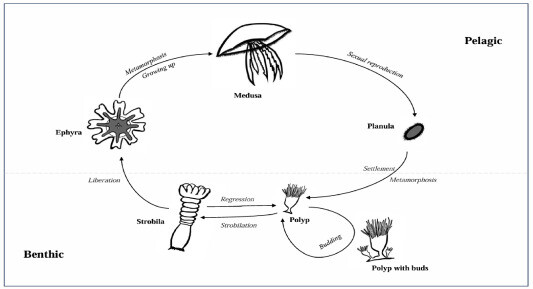
According to Jose Carlos Báez, a senior researcher at the Spanish Institute of Oceanography (CSIC), multiple factors are at play. Overfishing, pollution, and habitat alteration also contribute to jellyfish proliferation.
The Role of Warming Waters
Rising sea temperatures extend the jellyfish reproductive season and expand their range. Warmer waters can also increase the availability of plankton, their primary food source.
However, the Mediterranean has been warming for many years, while the dramatic increase in jellyfish blooms appears more recent. This suggests that other stressors are amplifying the effect.
Overfishing and Ecosystem Imbalance
Overfishing removes jellyfish predators and competitors, allowing their populations to explode. Small fish that compete with jellyfish for food are also depleted, giving jellyfish an advantage.
Nutrient runoff from agriculture and coastal development can trigger algal blooms, which indirectly benefit jellyfish by creating low-oxygen conditions that few other species tolerate.
What This Means for Beachgoers and Marine Life
For beachgoers, earlier and more frequent jellyfish appearances mean a higher risk of stings. Some species, like the mauve stinger, can cause painful reactions and ruin a day at the beach.
For marine ecosystems, jellyfish blooms can disrupt food webs and compete with commercially important fish. They can also clog fishing nets and power plant intake pipes, causing economic losses. The longer history behind the story is traced in Almond Bloom Shift: 34% Growth in a Decade Creates New Risks.
- Jellyfish are arriving earlier in the Mediterranean, often by May.
- Warming waters, overfishing, and pollution are key drivers.
- Blooms can harm tourism, fisheries, and marine biodiversity.
- Researchers are calling for better monitoring and management.
What Can Be Done?
Addressing jellyfish blooms requires tackling their root causes. Reducing overfishing and nutrient runoff can help restore ecosystem balance and make conditions less favorable for jellyfish. The background to this story is set out in Mediterranean Sea Heating Up and Getting Saltier: What It Means. A related thread runs through Marine Heatwave: Mediterranean Sea Overheats in June. Earlier coverage in Mediterranean Sea Heat Storage Fuels Extreme Autumn Weather shows how the argument developed.
Improved monitoring and early warning systems can also help coastal communities prepare for jellyfish influxes. Some regions are experimenting with jellyfish removal and uses, such as processing them for food or fertilizer. A closer look at the same subject appears in Mediterranean Sea Hits Record 32°C, Nearing Caribbean Heat. Anyone following the wider picture can start with Mediterranean Sea Temperature Record Broken After 50 Years. The same theme surfaces in Mediterranean Sea Breezes Are Weakening as Heat Waves Intensify, which takes a different angle.
| Factor | Impact on Jellyfish |
|---|---|
| Warming waters | Extends reproductive season and range |
| Overfishing | Removes predators and competitors |
| Nutrient runoff | Creates low-oxygen zones favorable to jellyfish |
| Habitat alteration | Provides artificial surfaces for polyps to attach |
While local actions can help, global climate action is essential to slow ocean warming. Without it, jellyfish may become even more dominant in the Mediterranean. Context on how this played out before sits in Mediterranean Sea at 30°C: A Recipe for Destructive DANA Storms. A companion piece, English Summer Clouds Warn of Trouble: Mare's Tails & Mackerel Sk, approaches the same subject from another angle.
FAQ
Why are jellyfish appearing earlier in the Mediterranean?
Warmer sea temperatures, overfishing, and pollution create conditions that favor jellyfish reproduction and survival. These factors combined lead to earlier and larger blooms.
Are jellyfish blooms dangerous for humans?
Some jellyfish species can deliver painful stings, but most are not life-threatening. Beachgoers should heed local warnings and avoid touching jellyfish.
What can be done to reduce jellyfish blooms?
Reducing overfishing, limiting nutrient runoff, and addressing climate change can help restore ecosystem balance and reduce jellyfish proliferation.
Which species of jellyfish are common in the Mediterranean?
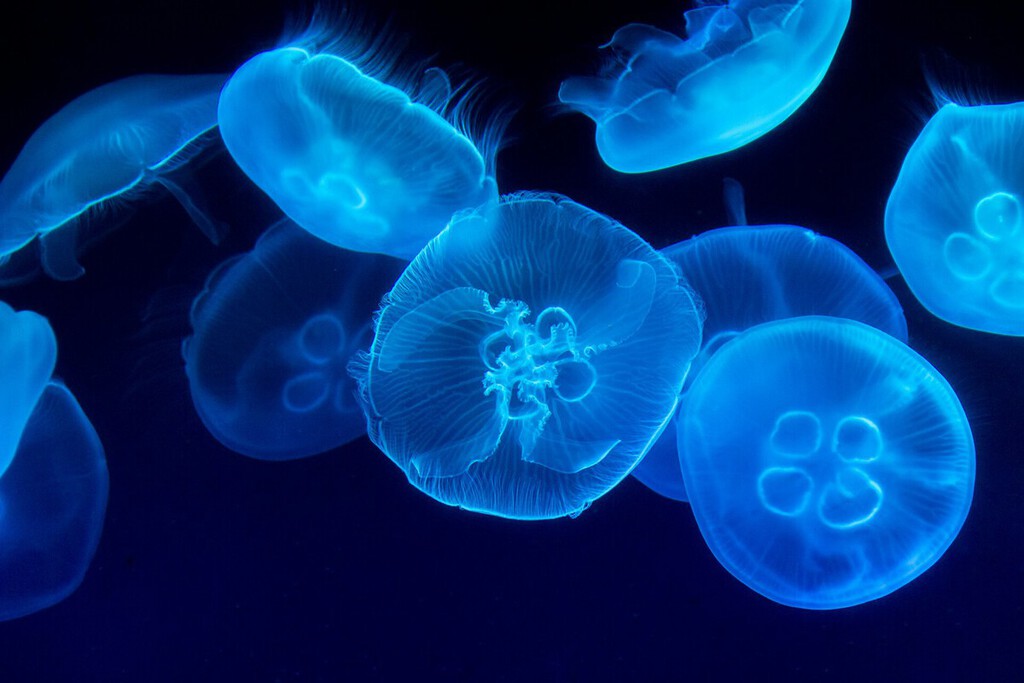
The mauve stinger is one of the most common and problematic species, known for its painful sting. Other species include the moon jellyfish and the fried egg jellyfish.







