

The decision to receive a cruise ship with a hantavirus outbreak in the Canary Islands has sparked fear, but it is actually the most logical choice. The MV Hondius, carrying sick passengers, is set to dock in Tenerife despite concerns. Health experts and officials argue that the risk is low and that Spain's healthcare system is well-prepared. This article explains why the move is safe and necessary.
What Happened: The MV Hondius and Hantavirus
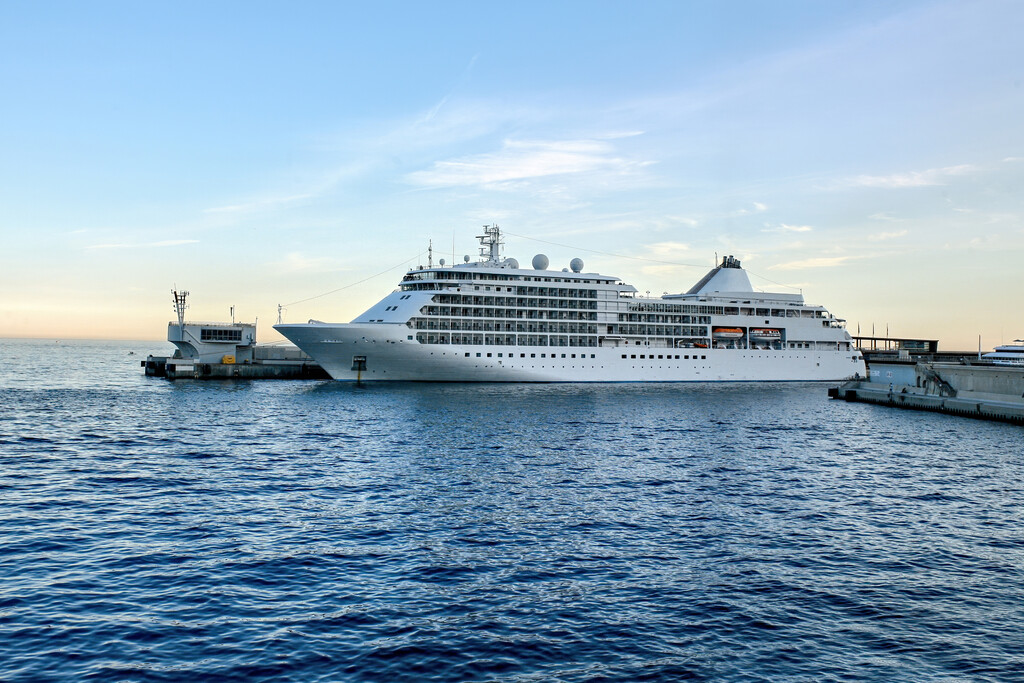
The MV Hondius, a cruise ship, has reported cases of hantavirus among passengers and crew. The ship is expected to arrive at the Port of Granadilla de Abona in Tenerife, where patients will be evacuated and treated. The Canary Islands government initially expressed disagreement with the decision by the WHO and Spain's central government, but the plan proceeded.
Find Original Home Decor sparking conversation at Grand Goldman Shop.

Hantavirus is not a new virus. It was first detected in the 1950s in South Korea, though the virus was isolated in 1976. It causes a severe respiratory illness known as hantavirus pulmonary syndrome (HPS), which can be fatal. However, person-to-person transmission is rare; the virus is typically spread through contact with infected rodents or their droppings.
Why the Fear Is Understandable but Misplaced
The fear surrounding the MV Hondius is reminiscent of the early days of COVID-19. People worry about a new virus entering their community and causing an outbreak. However, experts emphasize that hantavirus has a very low pandemic potential. Unlike SARS-CoV-2, which spreads easily between people, hantavirus rarely passes from person to person.
Furthermore, Spain's healthcare system has the capacity to handle this crisis safely. The country has protocols in place for infectious diseases, and the evacuation will be conducted under strict biosecurity measures. The WHO and Spanish government have stressed the importance of solidarity in such situations.
Key Takeaways: What You Need to Know
- Hantavirus is not new: It has been known since the 1950s and is well-studied.
- Low pandemic risk: Person-to-person transmission is rare; outbreaks are typically linked to rodent exposure.
- Spain is prepared: The healthcare system has the capacity and protocols to manage infectious disease cases.
- Solidarity matters: International cooperation is crucial for global health security.
- No reason for panic: Experts call for calm and trust in public health measures.
How Hantavirus Spreads and What It Means for the Canary Islands
Hantavirus is transmitted primarily through contact with infected rodents' urine, saliva, or droppings. In rare cases, it can spread between people through close contact. The virus does not spread through the air over long distances like COVID-19. This makes it much easier to contain.
The Canary Islands are not endemic for hantavirus, meaning the virus is not naturally present in local rodent populations. The risk to the local community is therefore minimal. The patients will be isolated and treated in specialized facilities, preventing any potential spread.
Comparison: Hantavirus vs. COVID-19
| Feature | Hantavirus | COVID-19 (SARS-CoV-2) |
|---|---|---|
| First identified | 1950s (isolated 1976) | 2019 |
| Transmission | Rodent contact; rare person-to-person | Airborne droplets; highly contagious |
| Pandemic potential | Very low | High (declared pandemic) |
| Treatment | Supportive care; no specific antiviral | Vaccines and antivirals available |
Expert Opinions and Official Statements
Experts have called for calm, noting that the hantavirus outbreak is contained and that the risk to the public is low. The WHO's Director-General, Tedros Adhanom Ghebreyesus, and Spain's Prime Minister, Pedro Sánchez, have both emphasized the importance of solidarity. They argue that refusing to help would set a dangerous precedent for future health crises. The longer history behind the story is traced in Hantavirus Outbreak on Cruise Ship: Lessons for Space Exploration.
Dr. Maria Van Kerkhove, WHO's technical lead for COVID-19, has previously stated that hantavirus is not a major pandemic threat. Her assessment is based on the virus's transmission dynamics and the availability of control measures. The background to this story is set out in WHO Chief Heads to Tenerife as Hantavirus Cruise Ship Docks in Canaries. A related thread runs through Hantavirus Human Transmission: Argentina Outbreak and Cruise Ship. Earlier coverage in Hantavirus Outbreak Threatens Ushuaia Tourism Reputation shows how the argument developed.
What to Watch Next
The arrival of the MV Hondius in Tenerife will be closely monitored. Health authorities will ensure that all safety protocols are followed. The patients will be treated, and the ship will be disinfected. The local community should remain informed but not alarmed. A closer look at the same subject appears in Spain's Hantavirus Quarantine: Can It Isolate 14 People. Anyone following the wider picture can start with CDC Cuts Leave US Vulnerable to Next Pandemic, Officials Warn. The same theme surfaces in WHO Calls Spain a Model to Follow in Hantavirus Response, which takes a different angle.
This event also highlights the importance of global health cooperation. In an interconnected world, diseases can cross borders quickly. Preparedness and solidarity are key to managing outbreaks effectively. Context on how this played out before sits in US Quarantine Hantavirus Cruise Ship Americans Nebraska CDC. A companion piece, US Long-Range Missile Test in Morocco Raises Canary Islands Concerns, approaches the same subject from another angle.
FAQ
What is hantavirus and how dangerous is it?
Hantavirus is a family of viruses that can cause severe respiratory illness, known as hantavirus pulmonary syndrome (HPS). It is dangerous but rare, and person-to-person transmission is uncommon. Most cases result from contact with infected rodents.
Can hantavirus cause a pandemic like COVID-19?
No, hantavirus has a very low pandemic potential because it does not spread easily between people. It requires close contact with infected rodents or their excreta, making widespread transmission unlikely.
Why is the ship being allowed to dock in Tenerife?
The decision is based on humanitarian grounds and the low risk posed by the virus. Spain has the medical infrastructure to treat patients safely and prevent any spread to the community.
What measures are in place to protect the public?
Patients will be isolated and treated in specialized facilities. The ship will be disinfected, and health authorities will monitor the situation closely. The risk to the public is considered minimal.
Browse the Shop
 Acacia frida deluxe solid wood bed frame |
Bedroom bench |
Bed chest drawers |
Lingerie dresser |
Frame base |
Mirror with jewelry storage |
30 Bathroom Vanity |
Memory foam queen mattress |
Mattresses for back pain |
Nightstand set of 2 |
Grand Goldman Shop |
Civil Lawyer
Deutschland Trikot WM 2026







