

Thanking drivers at crosswalks is a common gesture, but psychology suggests it is more than simple gratitude. When a car stops at a pedestrian crossing, it is almost instinctive to raise a hand in thanks. However, experts say this small act goes beyond politeness and reveals deeper psychological mechanisms.
Traffic is rarely pleasant—it often means rushing, stress, and frayed nerves, especially at peak hours. So the simple hand raise stands out. Drivers do it too, but it is far more noticeable when pedestrians acknowledge a car yielding to them.
Find Original Home Decor sparking conversation at Grand Goldman Shop.

What Is Prosocial Behavior?
Psychologists classify this gesture as prosocial behavior—small, selfless actions that are perceived positively in our interactions with others. Other examples include helping carry groceries, sharing a location with someone, or offering comfort.
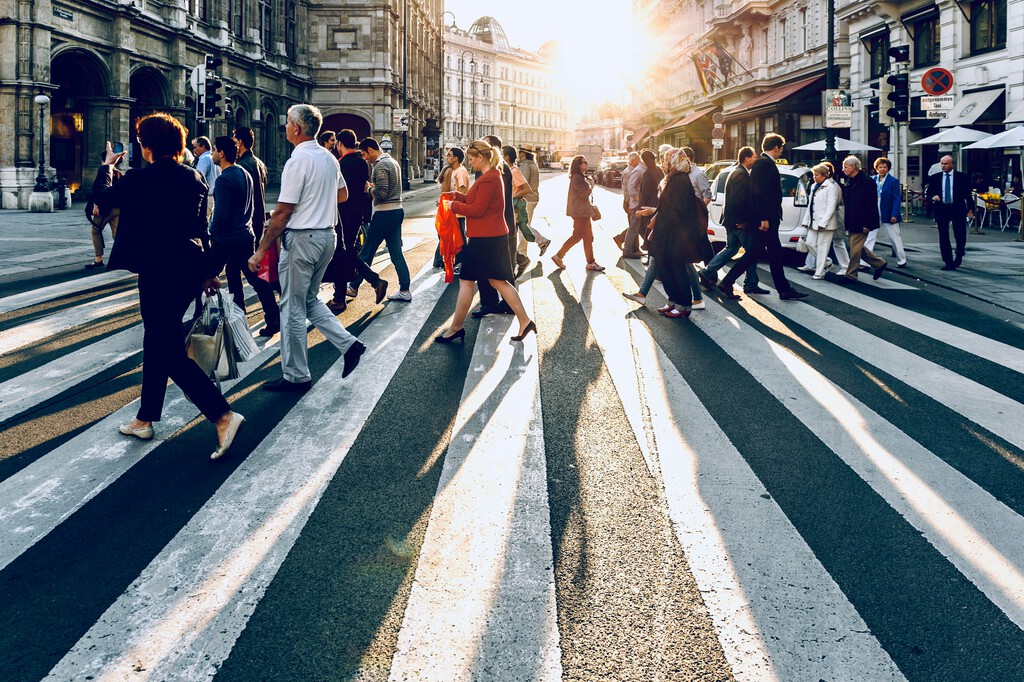
Such behaviors are linked to agreeableness, one of the traits in the Big Five personality model. This model posits that human personality consists of five main traits: openness, conscientiousness, extraversion, agreeableness, and neuroticism.
In theory, people who automatically thank drivers may score higher in agreeableness. But the gesture is not just about personality—it also serves as a social lubricant.
Why Do Pedestrians Thank Drivers?
Thanking a driver is a way to acknowledge a minor courtesy and reinforce positive social norms. It signals appreciation and encourages the driver to continue yielding to pedestrians.
From an evolutionary perspective, such gestures help maintain group cohesion. They reduce friction in shared spaces and promote cooperation, even among strangers.
Moreover, the gesture can be a form of reciprocal altruism—a small act that increases the likelihood of receiving similar kindness in the future.
The Psychology Behind the Hand Raise
The hand raise is a universal sign of acknowledgment. It is quick, low-effort, and non-verbal, making it ideal for brief interactions.
Psychologists note that such gestures are often automatic, learned through socialization. They become ingrained habits that we perform without conscious thought.
In the context of traffic, the gesture also serves a practical purpose: it communicates to the driver that they have been seen and that the pedestrian is crossing safely.
Who Is More Likely to Thank Drivers?
While personality plays a role, situational factors matter too. People are more likely to thank drivers in low-stress environments or when they feel a sense of community.
Cultural norms also influence the gesture. In some countries, acknowledging drivers is expected; in others, it is less common.
- Agreeable individuals tend to thank drivers more often.
- Urban vs. rural settings can affect the frequency of the gesture.
- Cultural expectations shape whether the gesture is seen as necessary.
- Stress and time pressure may reduce the likelihood of thanking drivers.
What This Means for Road Safety
Thanking drivers is not just a nicety—it can contribute to road safety. When pedestrians acknowledge drivers, it fosters mutual respect and encourages safer driving behaviors. The longer history behind the story is traced in Why Thanking Drivers at Crosswalks Is More Than Gratitude.
Drivers who feel appreciated are more likely to continue yielding to pedestrians, creating a positive feedback loop. This can lead to fewer conflicts at crosswalks. The background to this story is set out in Kindness of Strangers: A Motorway Car Vomit Emergency. A related thread runs through Italy Proposes Ban on Phone Use in Crosswalks to Curb Distracted. Earlier coverage in Thanks for Your Cooperation: 12 Better Ways to Say It at Work shows how the argument developed.
However, the gesture should not replace proper safety measures. Pedestrians should always ensure they have the right of way and make eye contact with drivers before crossing. A closer look at the same subject appears in Bee Rescue Goes Viral: A Story of Kindness and Authenticity. Anyone following the wider picture can start with Got It Thanks: 12 Courteous Alternatives for Every Message (Guide). The same theme surfaces in Health: latest articles, which takes a different angle.
| Gesture | Psychological Function | Common Context |
|---|---|---|
| Hand raise | Acknowledgment, gratitude | Crosswalks, merging |
| Nod | Recognition, respect | Passing on foot |
| Wave | Friendly greeting | Neighborhoods |
| Thumbs up | Approval, encouragement | Driving interactions |
Understanding the psychology behind this small gesture can help us appreciate its role in social cohesion. It is a reminder that even brief interactions can have a meaningful impact. Context on how this played out before sits in The Psychology of Extremely Ambitious People and Morality. A companion piece, The Psychology Behind Why Retirees Can't Sit Still After Retirement, approaches the same subject from another angle.
FAQ
Why do people thank drivers at crosswalks?People thank drivers as a form of prosocial behavior, which acknowledges a courtesy and reinforces positive social norms. It also reflects agreeableness, a personality trait associated with kindness and cooperation.
Is thanking drivers a universal gesture?While the hand raise is common in many cultures, its frequency and necessity vary. In some countries, it is expected; in others, it is less common. Cultural norms and situational factors influence the gesture.
Does thanking drivers improve road safety?Yes, acknowledging drivers can foster mutual respect and encourage safer driving behaviors. It creates a positive feedback loop that may lead to fewer conflicts at crosswalks. However, it should not replace proper safety measures.
What personality traits are linked to thanking drivers?Agreeableness is the trait most closely linked to thanking drivers. People high in agreeableness are more likely to perform prosocial behaviors, including acknowledging others' kindness.
Browse the Shop
 Acacia frida deluxe solid wood bed frame |
Bedroom bench |
Bed chest drawers |
Lingerie dresser |
Frame base |
Mirror with jewelry storage |
30 Bathroom Vanity |
Memory foam queen mattress |
Mattresses for back pain |
Nightstand set of 2 |
Grand Goldman Shop |
Civil Lawyer
Deutschland Trikot WM 2026







