

The Artemis II astronauts return to Earth today, and they will not be the same people who left. The overview effect, a psychological shift reported by many space travelers, is expected to intensify after their historic mission. As they splash down around 8:07 PM EDT, the four crew members—three veterans and one first-time flyer—will carry a new perspective on our fragile planet.
This mission marks the first time humans have traveled this far from Earth in over five decades. The crew spent just over a week away from their families, but the impact of seeing Earth as a tiny blue marble will last a lifetime. The overview effect is not just a poetic notion; it is a documented phenomenon that changes how astronauts view life, humanity, and our place in the cosmos.
Find Original Home Decor sparking conversation at Grand Goldman Shop.

What Is the Overview Effect?
The term overview effect was coined in 1987 by space philosopher Frank White. It describes the cognitive shift that many astronauts experience when viewing Earth from space. They report a profound sense of interconnectedness, a realization of the planet's fragility, and a heightened appreciation for life itself.
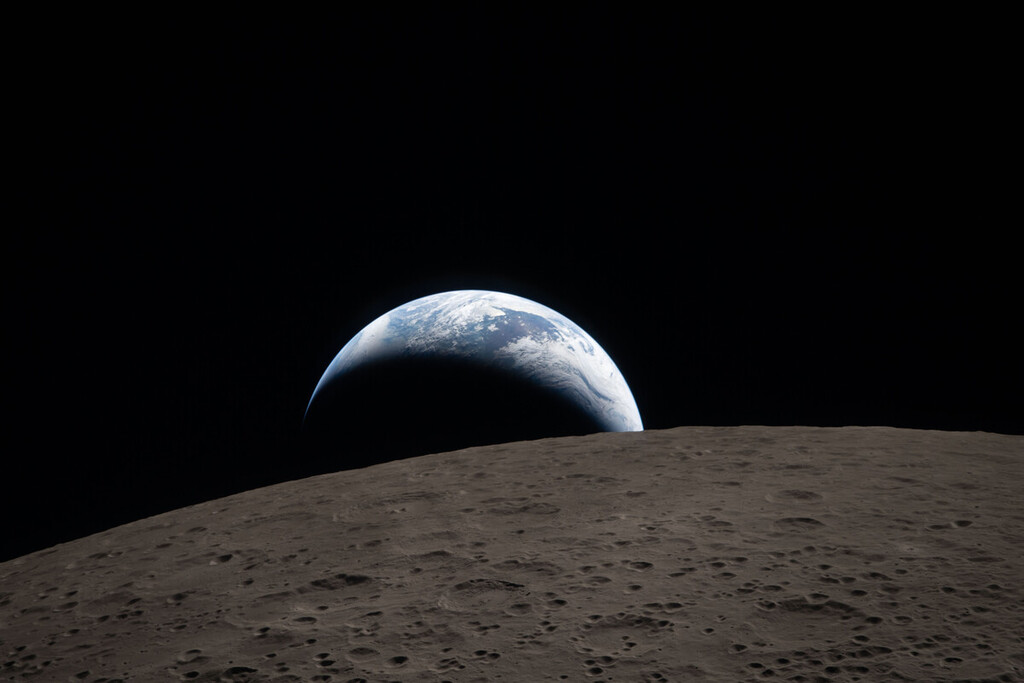
White's concept has been validated by decades of astronaut testimony. From Apollo astronauts to those on the International Space Station, countless space travelers have described how seeing Earth without borders changed their worldview. The effect often leads to a greater sense of environmental stewardship and a desire to promote peace.
The Psychological Impact
Psychologists have studied the overview effect and found it can be transformative. Astronauts often return with increased empathy, a sense of awe, and a shift in values. Some describe it as a spiritual experience, while others emphasize the cognitive dissonance of seeing Earth as a whole while knowing the conflicts that divide it.
For the Artemis II crew, the effect may be even more pronounced. They traveled farther than any humans since the Apollo era, giving them a unique vantage point. Even the three veterans who had previously flown to space noted that distance matters—the farther you go, the more profound the shift.
The Artemis II Crew: A Mix of Experience and Fresh Eyes
Three of the four Artemis II astronauts had already flown in space before this mission. However, none had traveled as far from Earth as they did on this journey. The fourth, Canadian astronaut Jeremy Hansen, experienced space for the first time. His fresh perspective, combined with the veterans' deepened appreciation, creates a fascinating dynamic.
Hansen's rookie status means he is experiencing the overview effect without any prior frame of reference. For the veterans, this mission likely intensified their existing feelings. Each new observation of Earth from space seems to compound the effect, according to astronaut accounts.
- Frank White coined the term "overview effect" in 1987 to describe the cognitive shift reported by astronauts.
- Artemis II traveled farther from Earth than any crewed mission in over 50 years, amplifying the experience.
- Jeremy Hansen, the only first-time flyer, provides a fresh perspective on the phenomenon.
- Veteran astronauts report that each return to space deepens the overview effect.
- Psychological studies show the effect can lead to lasting changes in values and behavior.
Why the Overview Effect Matters for the Rest of Us
The overview effect isn't just about astronauts. It has implications for how we view our own lives and our responsibilities to the planet. When astronauts describe seeing Earth as a borderless, fragile sphere, it resonates with people who will never leave the ground. Their experiences can inspire a sense of global citizenship and environmental awareness.
Moreover, as space tourism and commercial spaceflight become more accessible, more people may experience the overview effect firsthand. This could lead to a broader cultural shift in how humanity perceives its home. The Artemis II mission is a step toward that future, with NASA aiming to return humans to the Moon and eventually Mars.
What the Astronauts Will Bring Back
Beyond the scientific data and mission objectives, the Artemis II crew will return with personal transformations. They may become more vocal advocates for planetary protection or more committed to international cooperation. Their stories will join a rich tapestry of astronaut accounts that have shaped our understanding of the overview effect.
As they readjust to gravity and reunite with their families, the astronauts will likely reflect on the contrast between the vastness of space and the intimacy of human connections. The overview effect often heightens appreciation for loved ones and everyday life. It is a reminder that our planet is a shared home, and our differences are minor compared to the cosmic context.
The Science Behind the Shift
Researchers have used interviews, surveys, and even brain imaging to study the overview effect. While the phenomenon is subjective, patterns emerge. Astronauts consistently report feelings of awe, unity, and a reduced sense of self-importance. Some describe a shift from a materialistic worldview to one focused on relationships and experiences.
These changes align with psychological theories about awe and self-transcendence. Awe-inspiring experiences can make individuals feel small yet connected to something larger. For astronauts, the view of Earth from space is the ultimate awe-inspiring experience, often described as overwhelming and beautiful. The background to this story is set out in NASA's Artemis III Plan: Two Dockings, Four Astronauts, and a Lunar Lander. A related thread runs through Artemis II Crew Earns Top US Space Medal for Historic Lunar Journey. Earlier coverage in Artemis II Splashdown: Orion Returns Astronauts to Lunar History shows how the argument developed.
| Astronaut | Spaceflight Experience | Overview Effect Intensity |
|---|---|---|
| Veteran 1 | Previous missions | Intensified by greater distance |
| Veteran 2 | Previous missions | Intensified by greater distance |
| Veteran 3 | Previous missions | Intensified by greater distance |
| Jeremy Hansen | First-time flyer | Initial profound experience |
What to Watch Next
As the Artemis program continues, future missions will take astronauts even farther, potentially to Mars. The overview effect will be a key area of study, as researchers seek to understand how long-duration spaceflight affects the human psyche. NASA and its partners are already planning psychological support for crews on extended missions. A closer look at the same subject appears in Artemis II Crew Earns Top US Space Medal for Lunar Mission. Anyone following the wider picture can start with NASA's Artemis III Crew All-Male: A Blow to Diversity. The same theme surfaces in Artemis II Success but NASA's Ambitious Lunar Plan Faces Delays, which takes a different angle.
The return of Artemis II today is a milestone, but it's also a beginning. The astronauts' experiences will inform training and preparation for those who follow. Their stories will inspire the next generation of explorers and remind us of the profound impact of seeing our world from a new perspective. Context on how this played out before sits in NASA Delays Artemis III Moon Landing to Late 2027. A companion piece, iPhone 17 Pro Max Captures Iconic Artemis II Space Video, approaches the same subject from another angle.
FAQ
What is the overview effect?
What is the overview effect?
The overview effect is a cognitive shift reported by astronauts when viewing Earth from space. It involves feelings of awe, interconnectedness, and a new perspective on life and the planet.
Who coined the term "overview effect"?
Who coined the term "overview effect"?
Space philosopher Frank White coined the term in 1987. He interviewed astronauts and identified the common psychological shift they experienced after seeing Earth from space.
Did the Artemis II astronauts experience the overview effect?
Did the Artemis II astronauts experience the overview effect?
While it's too early to confirm, the crew is expected to have experienced an intensified overview effect due to traveling farther from Earth than any humans in over 50 years. Three veterans and one first-time flyer make up the crew.
How does the overview effect change astronauts?
How does the overview effect change astronauts?
Astronauts often return with increased empathy, a sense of global unity, and a heightened appreciation for the environment. Many become advocates for peace and planetary protection.
Browse the Shop
 Acacia frida deluxe solid wood bed frame |
Bedroom bench |
Bed chest drawers |
Lingerie dresser |
Frame base |
Mirror with jewelry storage |
30 Bathroom Vanity |
Memory foam queen mattress |
Mattresses for back pain |
Nightstand set of 2 |
Grand Goldman Shop |
Civil Lawyer
Deutschland Trikot WM 2026







