

Noise cancellation has become the baseline expectation for wireless earbuds in 2026, but the most advanced models now offer far more than just silencing the world around you. While active noise cancellation (ANC) was once a premium differentiator, it is now widely available even in budget-friendly options. So what separates the best from the rest? We explore the key features that define high-end earbuds this year.
The Evolution of Noise Cancellation
Just a few years ago, choosing earbuds was simple: pick a comfortable fit, set a budget, and listen. Many users stuck with the earbuds bundled with their phones, while others upgraded to in-ear models or over-ear headphones for better sound. The category was easy to navigate for the average consumer.
Find Original, High-end Home Decor that spark conversation at Grand Goldman Shop.
In 2026, the landscape is far more complex. Sound quality remains essential, but a host of new decisions now influence how we choose earbuds. Active noise cancellation is a prime example of how the boundaries have shifted.
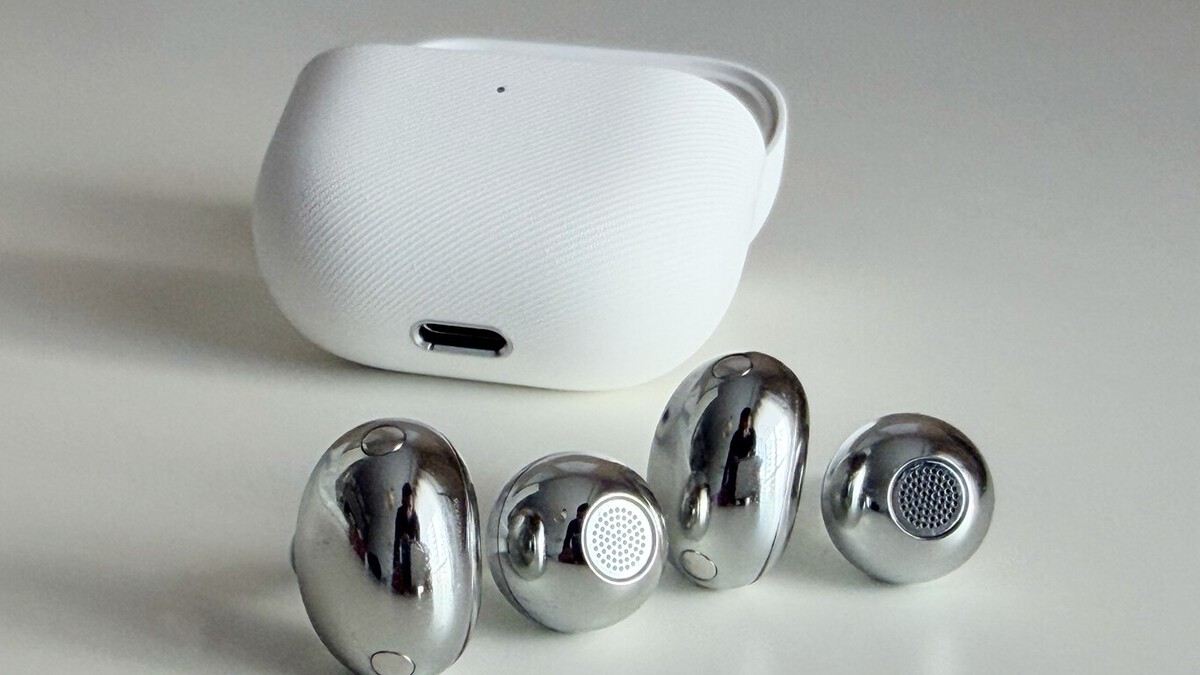
ANC Is No Longer a Premium Exclusive
For years, ANC was a key selling point that separated high-end models from the rest. But in 2026, earbuds like the Huawei FreeBuds Neo, priced at 129 euros, deliver surprisingly high levels of isolation for their price. That doesn't mean all ANC performs equally: flagship models like the Sony WF-1000XM6 continue to refine how they detect and reduce noise, offering a more natural and adaptable experience.
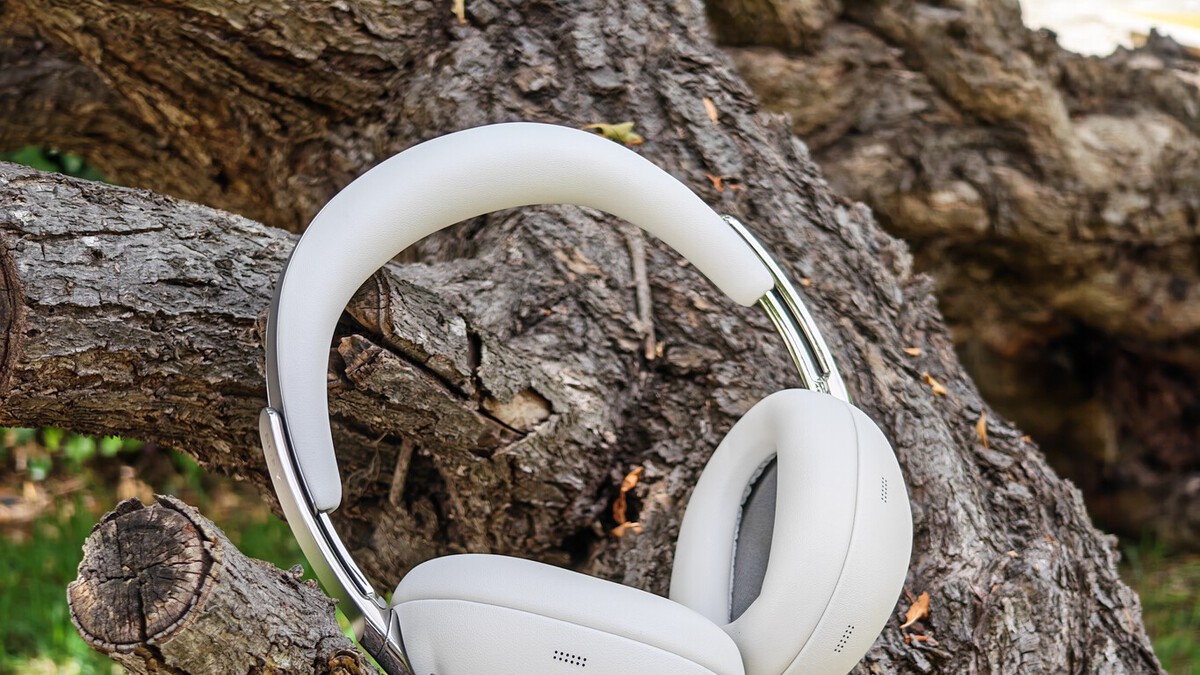
The difference is that simply including ANC is no longer enough to stand out. What matters now is how well it works and what else the earbud offers around it.

Beyond ANC: What Premium Earbuds Bring to the Table
Not all manufacturers are focused on isolating us better and better. One of the trends we're seeing is a shift toward features that enhance the listening experience in other ways. Here are the key areas where premium earbuds are innovating.
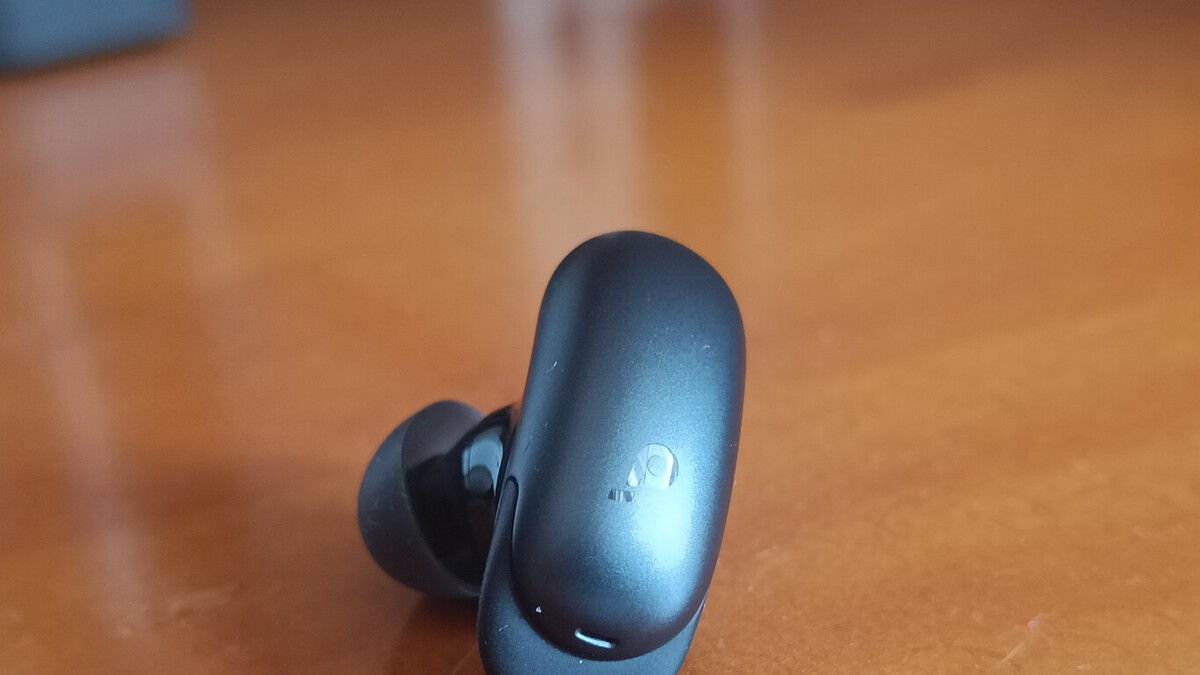
- Adaptive sound profiles: Earbuds that automatically adjust EQ based on your environment and ear shape.
- Spatial audio with head tracking: Immersive sound that moves with you for movies and games.
- Health and fitness tracking: Built-in sensors for heart rate, temperature, and posture.
- Advanced transparency modes: Natural awareness of your surroundings without removing the buds.
- Seamless multi-device connectivity: Effortless switching between phones, laptops, and tablets.
Key Features Comparison: Premium vs. Budget Earbuds in 2026
To understand what you get when you step up to premium earbuds, here's a comparison of typical features across price ranges. The background to this story is set out in Convertible Laptops in 2026: Evolution, Market Trends, and Future Outlook.
| Feature | Budget (e.g., Huawei FreeBuds Neo) | Premium (e.g., Sony WF-1000XM6) |
|---|---|---|
| Active Noise Cancellation | Basic ANC, effective for low-frequency noise | Adaptive ANC with real-time optimization and natural transparency |
| Sound Quality | Good for the price, limited EQ customization | High-resolution audio support, customizable EQ, spatial audio |
| Battery Life | Up to 6 hours (24 with case) | Up to 8 hours (32 with case), fast charging |
| Smart Features | Basic touch controls, voice assistant support | Wear detection, auto-pause, multipoint connection, health sensors |
| Price (approx.) | €129 | €279 |
Why This Matters for Consumers
The blurring of lines between budget and premium earbuds means consumers have more choice than ever. If you primarily want to block out noise on your commute, a budget model with decent ANC might suffice. But if you demand the best sound quality, seamless connectivity, and advanced features like spatial audio or health tracking, premium models still justify their higher price. The longer history behind the story is traced in Noise Cancellation Is Now the Baseline: What Premium Earbuds Offer in 2026. More on the surrounding debate is collected in Smart Speaker Buying Guide 2026: Why Sound Quality Is No Longer Enough.
Understanding these distinctions helps you make an informed decision rather than paying extra for features you don't need. It also puts pressure on manufacturers to innovate beyond basic ANC. The background to this story is set out in Action's Solix Wireless Earbuds: 25-Hour Battery and ANC for €7.95. A related thread runs through Planning for Death: Why Advanced Directives Matter for Families. Earlier coverage in Australian Manufacturing Future: Innovation and Advanced Technology shows how the argument developed.
What to Watch Next
As we move further into 2026, expect to see more earbuds with AI-driven sound personalization, improved battery life, and tighter integration with smart assistants. The line between hearing aids and earbuds may also continue to blur, with over-the-counter hearing aid features becoming more common. A closer look at the same subject appears in Fresh'n Rebel Noise-Cancelling Headphones at Action for 16.95 Euros. Anyone following the wider picture can start with Technology: latest articles. The same theme surfaces in OLED vs MiniLED and RGB MiniLED: The 2026 TV Battle for Picture Quality, which takes a different angle.
Ultimately, the best earbuds for you will depend on your priorities. But one thing is clear: noise cancellation alone is no longer enough to make a product stand out. The real differentiators are how well it works and what else the earbuds can do. Context on how this played out before sits in CMF Headphone Pro Deal: 100-Hour Battery, Spatial Audio, ANC for $50. A companion piece, Luxury Festival Trends: Hot Tubs, Fine Dining & Premium Toilets, approaches the same subject from another angle.
FAQ
Is active noise cancellation still worth paying extra for in 2026?
It depends on your needs. Basic ANC is now available in budget models, so you may not need to pay a premium just for noise cancellation. However, premium ANC offers better adaptability and natural sound, which can be worth it for frequent travelers or those in noisy environments.
What are the most important features to look for in premium earbuds?
Beyond ANC, consider sound quality (including codec support), battery life, comfort, and smart features like multipoint connectivity and spatial audio. Health tracking is emerging as a new differentiator.
How do budget earbuds like the Huawei FreeBuds Neo compare to premium models?
Budget models offer good value, with decent ANC and sound quality. Premium models like the Sony WF-1000XM6 provide superior noise cancellation, better audio fidelity, and advanced features such as adaptive sound and health sensors. The gap is narrowing, but premium still offers a more refined experience.
Will we see more earbuds with health tracking in 2026?
Yes, health tracking is a growing trend. We expect more earbuds to include sensors for heart rate, temperature, and even posture, blurring the line between audio devices and wearables.
Browse the Shop
 Acacia frida deluxe solid wood bed frame |
Bedroom bench |
Bed chest drawers |
Lingerie dresser |
Frame base |
Mirror with jewelry storage |
30 Bathroom Vanity |
Memory foam queen mattress |
Mattresses for back pain |
Nightstand set of 2 |
Grand Goldman Shop |
Civil Lawyer
Deutschland Trikot WM 2026










