

OLED remains the benchmark for picture quality in 2026, but the gap with MiniLED and RGB MiniLED has narrowed significantly. For over a decade, buying a top-tier TV meant choosing the largest OLED screen that fit your living room. The technology was untouchable because no alternative could match the pixel-level light control and contrast that come from each pixel turning on and off independently.
However, the 2026 landscape is very different. MiniLED is no longer a minor evolution of LED displays; it is advancing steadily into mid-range and budget segments with contrast levels unthinkable just a few years ago. Meanwhile, RGB MiniLED is challenging the high-end market, going head-to-head with an OLED that has been caught off guard.
Find Original, High-end Home Decor that spark conversation at Grand Goldman Shop.
Why OLED Has Been the Gold Standard
OLED's strength lies in its self-emissive pixels. Each pixel produces its own light and can switch off completely, delivering infinite contrast and deep blacks. This makes OLED ideal for dark rooms and cinematic experiences. For years, OLED also offered superior color accuracy and viewing angles.
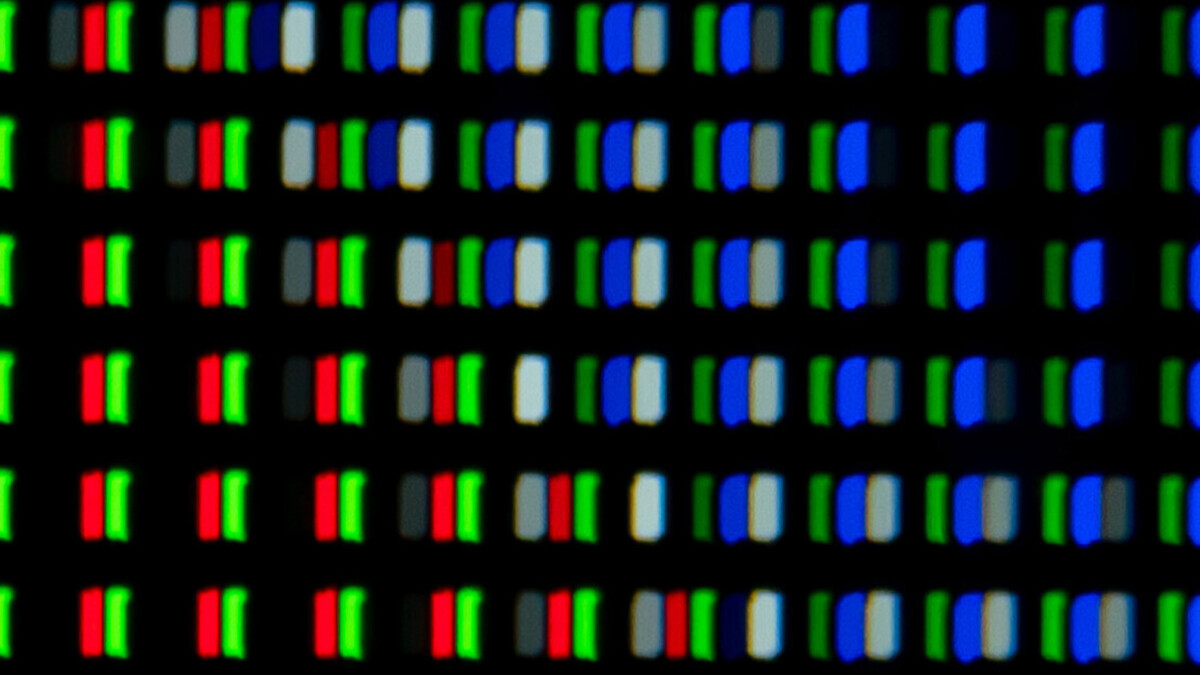
But OLED has evolved slowly. Until recently, high-end OLED TVs peaked at around 1,000 nits, which could feel dim in bright rooms. The organic diodes are also susceptible to burn-in when exposed to prolonged high-brightness static elements, a concern that has haunted the technology.
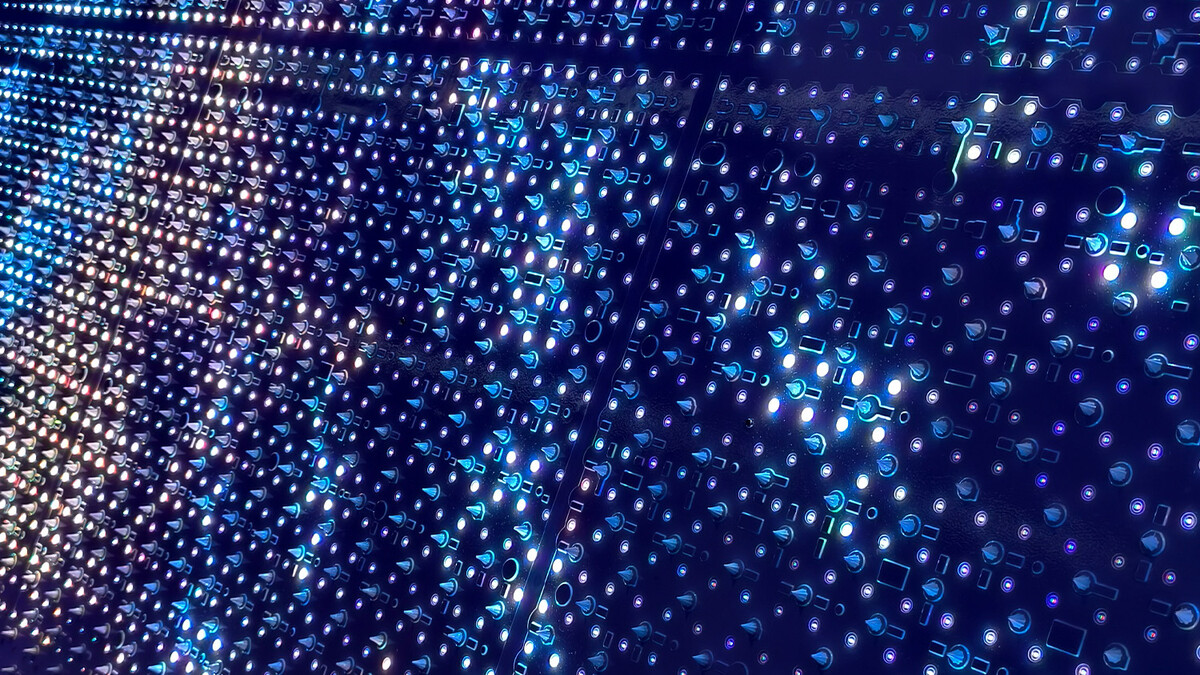
MiniLED: The Rising Challenger
MiniLED uses thousands of tiny LEDs as backlights, grouped into zones that can dim independently. This approach delivers much higher brightness than OLED—often exceeding 2,000 nits—and is immune to burn-in. In 2026, MiniLED has trickled down to affordable price points, making high contrast accessible to more households.
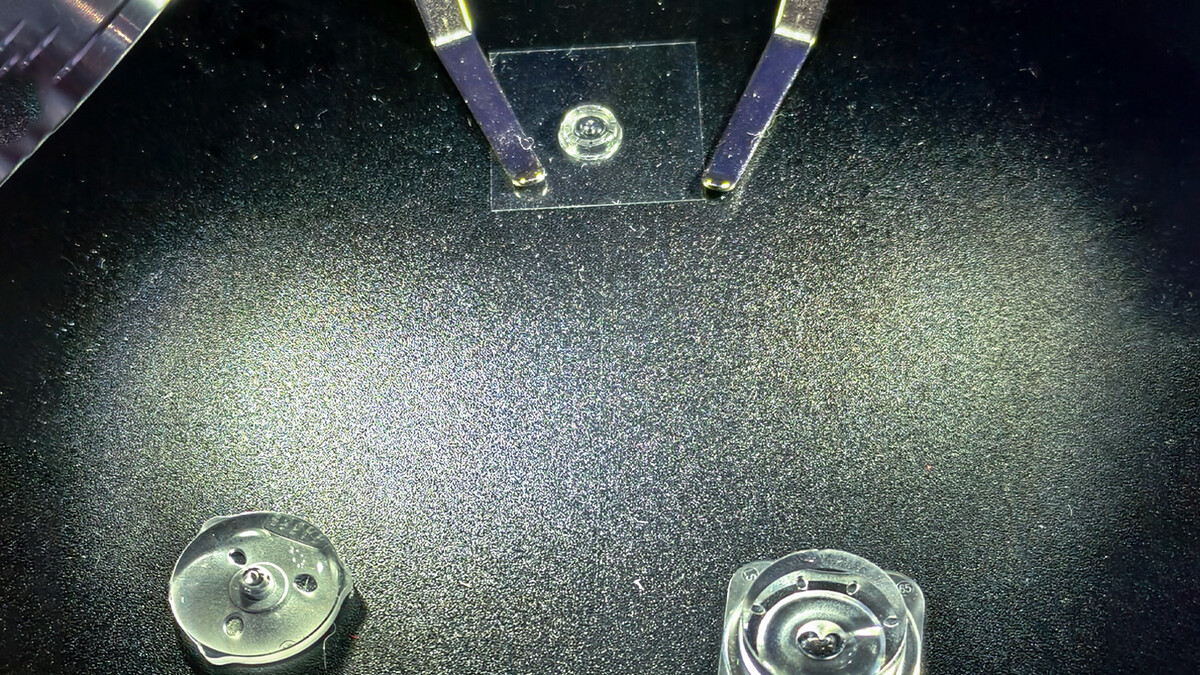
However, MiniLED still relies on backlighting, so it can suffer from blooming (light halos around bright objects on dark backgrounds) and narrower viewing angles. The contrast is impressive but not pixel-perfect.
RGB MiniLED: The High-End Disruptor
RGB MiniLED takes the concept further by using red, green, and blue LEDs instead of white LEDs with color filters. This enables a wider color gamut and more precise color control. At the high end, RGB MiniLED TVs rival OLED in color accuracy while maintaining the brightness advantage. Context on how this played out before sits in OLED vs MiniLED and RGB MiniLED: The 2026 TV Battle for Picture Quality. A companion piece, Noise Cancellation Is Now the Baseline: What Premium Earbuds Offer in 2026, approaches the same subject from another angle.
These TVs are positioned to compete directly with OLED, offering a compelling alternative for bright rooms and gamers concerned about burn-in. The technology is still premium-priced, but it signals a shift in the high-end market. The background to this story is set out in Technology: latest articles. A related thread runs through Gaming Monitors vs Work Monitors: The Line Is Blurring Fast.
Key Differences at a Glance
- Contrast: OLED offers infinite contrast with per-pixel dimming; MiniLED and RGB MiniLED rely on zones, so some blooming may occur.
- Brightness: MiniLED and RGB MiniLED can reach much higher peak brightness (2,000+ nits) than OLED (around 1,000 nits).
- Burn-in risk: OLED is susceptible; MiniLED and RGB MiniLED are not.
- Viewing angles: OLED excels; MiniLED can show color shift and contrast loss from off-axis.
- Price: OLED is premium; MiniLED is now available at mid-range prices; RGB MiniLED is high-end.
Comparison Table
| Feature | OLED | MiniLED | RGB MiniLED |
|---|---|---|---|
| Contrast | Infinite (per-pixel) | High (zone-based) | High (zone-based) |
| Peak Brightness | ~1,000 nits | 2,000+ nits | 2,000+ nits |
| Burn-in Risk | Yes | No | No |
| Viewing Angles | Excellent | Good | Good |
| Price Range | Premium | Mid-range to premium | Premium |
What This Means for Buyers
If you prioritize deep blacks, perfect contrast, and wide viewing angles for dark-room movie watching, OLED remains the top choice. But if your living room is bright or you're a gamer worried about static logos, MiniLED or RGB MiniLED could be better suited. Earlier coverage in New AI Text Detector Claims 98% Accuracy in Identifying AI Writing shows how the argument developed. A closer look at the same subject appears in Lenovo Legion 5 Gen 11 Prime Day Deal: RTX 5050 OLED Laptop.
The mid-range MiniLED market is particularly exciting, offering excellent picture quality at lower prices. For high-end buyers, RGB MiniLED provides a taste of OLED-level color with higher brightness. Anyone following the wider picture can start with China's AI Export Controls: 40 Key Technologies Face New Rules. The same theme surfaces in POCO F9 Ultra Deal: 16GB RAM Model Drops to Record Low Price, which takes a different angle.
FAQ
Is OLED still better than MiniLED in 2026?
OLED still wins on contrast and viewing angles, but MiniLED has closed the gap in brightness and is more affordable. The best choice depends on your room's lighting and viewing habits.
What is RGB MiniLED?
RGB MiniLED uses red, green, and blue LEDs instead of white LEDs with filters, resulting in a wider color gamut and more precise color reproduction.
Will OLED burn-in still be a problem?
Burn-in risk has been reduced with pixel-shifting and other mitigations, but it remains a consideration for static content. MiniLED is immune.
Which technology is best for bright rooms?
MiniLED and RGB MiniLED excel in bright rooms due to their higher peak brightness, which overcomes glare better than OLED.
Browse the Shop
 Acacia frida deluxe solid wood bed frame |
Bedroom bench |
Bed chest drawers |
Lingerie dresser |
Frame base |
Mirror with jewelry storage |
30 Bathroom Vanity |
Memory foam queen mattress |
Mattresses for back pain |
Nightstand set of 2 |
Grand Goldman Shop |
Civil Lawyer
Deutschland Trikot WM 2026










