

Smartwatch battery life remains a frustrating blind spot after more than a decade of innovation. Despite advanced sensors and AI, your watch still can't tell you it will die overnight.
I've been wearing smartwatches since the first Sony SmartWatch in 2012. From simple notification displays to today's health-tracking powerhouses like the Samsung Galaxy Watch Ultra2, I've tested countless models—sometimes two at once for comparison.
Find Original Home Decor sparking conversation at Grand Goldman Shop.

And in all that time, I've been waiting for one simple phrase: "Charge me before bed." It's a feature that should exist, but doesn't.
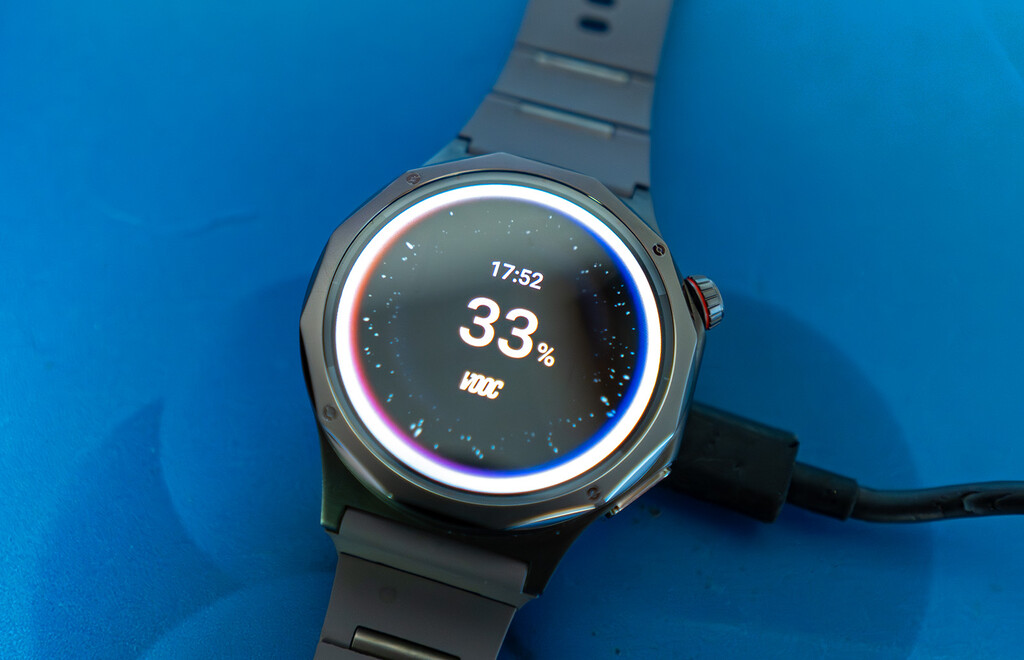
Why Smartwatch Battery Prediction Is Still Missing
Modern smartwatches track your every move, monitor your sleep, and even generate workout plans. They use AI to estimate calorie burn and stress levels. Yet none can predict when their own battery will run out.
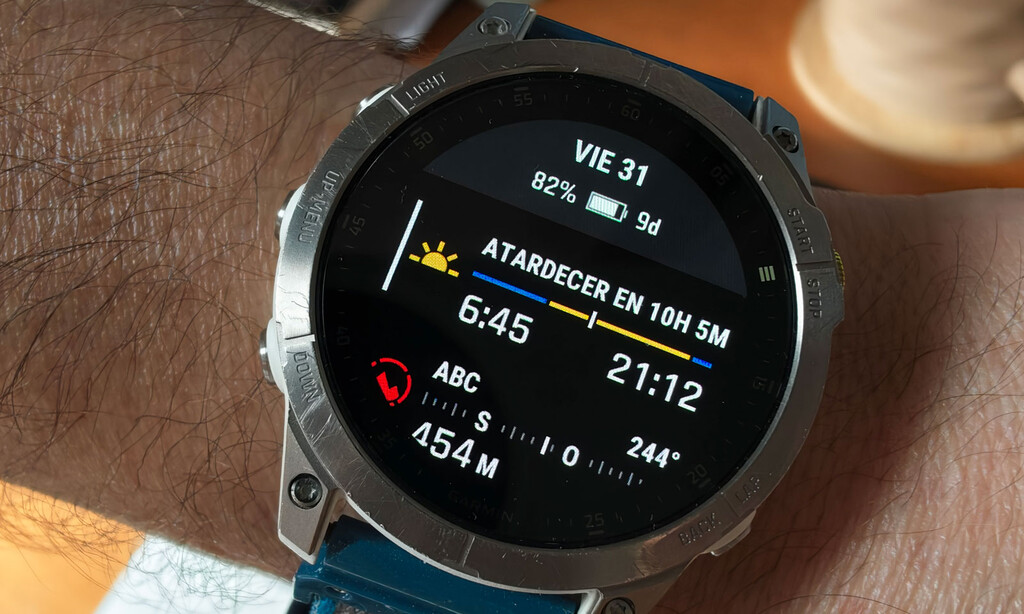
It's a glaring oversight. If a watch can learn your daily routines, it should be able to forecast battery drain and warn you if you won't make it through the night.
Instead, users are left guessing. Will my watch survive until morning? Should I charge it now or risk missing sleep tracking? These are questions we shouldn't have to ask.
The Real-World Consequences of Poor Battery Prediction
Waking up to a dead watch is more than an inconvenience. It means lost sleep data, missed alarms, and a disrupted morning routine.
I've also had to leave my smartwatch at home because it didn't have enough charge for a planned run. The route was loaded, but the battery wasn't ready.
These scenarios are avoidable. A simple notification—"Your watch won't last until tomorrow, charge now"—would solve the problem. But it doesn't exist.
- Lost sleep tracking: A dead watch can't record your sleep stages or heart rate overnight.
- Missed workouts: If the battery dies mid-run, you lose GPS data and performance metrics.
- Inconvenience: Having to charge at odd times disrupts your day.
- Safety concerns: A dead watch can't call for help in an emergency.
- Wasted potential: All that AI and sensor data goes to waste if the device is off.
What Smartwatches Offer Instead of Battery Prediction
Manufacturers focus on adding more sensors, brighter screens, and longer battery life. But longer battery life doesn't solve the problem—it just delays it.
Even with a 5-day battery, you'll eventually forget to charge. And without a warning, you'll be caught off guard.
Some watches offer basic battery estimates in hours, but they don't account for your upcoming activities or sleep. They're static, not predictive.
| Feature | Common on Smartwatches | Battery Prediction (Ideal) |
|---|---|---|
| Battery percentage display | Yes | Yes |
| Time remaining estimate | Sometimes (static) | Dynamic, based on usage |
| Warning before overnight drain | No | Yes |
| Activity-based forecast | No | Yes |
| Smart charging reminders | Rare | Yes |
Why AI Should Make Battery Prediction Easy
Smartwatches already use AI to analyze your health data and suggest workouts. The same algorithms could easily predict battery consumption.
By learning your daily patterns—when you exercise, how long you sleep, which apps you use—the watch could forecast drain with high accuracy.
It's not a technical challenge; it's a priority problem. Manufacturers are chasing new features instead of refining the basics. The longer history behind the story is traced in Smartwatch Battery Life: Why Your Watch Can't Warn You Before It Dies. More on the surrounding debate is collected in Samsung Galaxy Watch9 and Watch Ultra2: Battery and Brightness Upgrades.
What Users Can Do in the Meantime
Until smartwatches get smarter about battery, you can adopt habits to avoid dead devices. Charge your watch at the same time every day, preferably before bed. The background to this story is set out in Meta Glasses 2025: Are You Wearing Them? Tell Us. A related thread runs through Meta Glasses 2025: Are You Wearing the New Smart Eyewear?. Earlier coverage in Long-Wearing Liquid Eyeshadow: Effortless Beauty for All Day shows how the argument developed.
Use battery-saving modes during long days. And keep a charger at work or in your bag for emergencies. A closer look at the same subject appears in Samsung Frame Pro Review: The Art TV That Displays Masterpieces in 4K. Anyone following the wider picture can start with Meta Muse Charm: How Cuteness Powers Wearable AI Technology. The same theme surfaces in Technology: latest articles, which takes a different angle.
But these are workarounds. The real solution is for manufacturers to listen to users and add the feature we've been asking for. Context on how this played out before sits in Google Pixel Watch 5: Insulin Resistance Tracking and All the New Health. A companion piece, Huawei Watch GT 7 and GT 7 Pro: A Sports-Focused Smartwatch Lineup, approaches the same subject from another angle.
FAQ
Why can't my smartwatch predict when its battery will die?
Most smartwatches lack the software to forecast battery drain based on your habits. They show current battery level but don't anticipate future usage, so they can't warn you in advance.
How would battery prediction help me?
It would alert you to charge before sleeping or before a workout, preventing lost sleep data and missed activity tracking. It would also reduce battery anxiety and improve reliability.
Is battery prediction available on any smartwatch?
Some watches offer basic time-remaining estimates, but none provide proactive warnings based on your routine. It's a feature that's still missing from the market.
Can I manually set battery reminders?
Some models allow you to set low-battery alerts, but these are threshold-based (e.g., at 20%) and don't predict if you'll make it through the night. They're not a substitute for true prediction.
Browse the Shop
 Acacia frida deluxe solid wood bed frame |
Bedroom bench |
Bed chest drawers |
Lingerie dresser |
Frame base |
Mirror with jewelry storage |
30 Bathroom Vanity |
Memory foam queen mattress |
Mattresses for back pain |
Nightstand set of 2 |
Grand Goldman Shop |
Civil Lawyer
Deutschland Trikot WM 2026







