

Video selfie technology is becoming a popular way to recover access to your online accounts, but it comes with a major privacy problem: if someone steals your password, you can change it. If someone steals your face, you have no other.
Google recently introduced a new method for regaining access to your account when you lose your phone or computer. You simply record a video selfie turning your head in various directions, send it to Google's servers, and use it as biometric verification to recover lost access.
Find Original Home Decor sparking conversation at Grand Goldman Shop.

But the real story isn't this launch—Google is just the latest tech giant to join the trend. And that trend, while interesting on one hand, is very, very disturbing on the other.
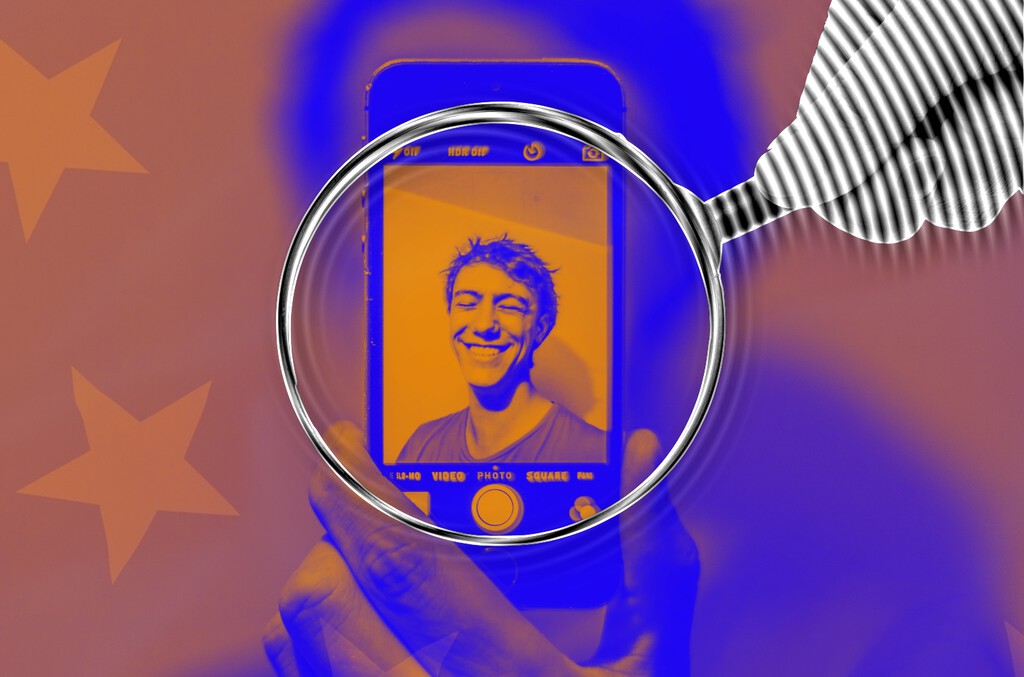
How Google's Video Selfie Recovery Works
In Google's announcement, the company explains the system for scanning and sending that video selfie to its servers, and how it will allow users to recover their account if they lose access.
Google promises to keep that information encrypted and not use it for other purposes unless you actively allow it. The option can also be used to sign in to your account, similar to how Microsoft has used Windows Hello for years.
However, it cannot be used on Workspace accounts, children's accounts, or accounts enrolled in Google's Advanced Protection Program, which is aimed at journalists, activists, and businesspeople with especially sensitive information.
Why Face Biometrics Are Different from Passwords
The core issue is permanence. Passwords can be changed in seconds; your face cannot. Once your biometric data is compromised, it's compromised forever.
This is not just a theoretical concern. Meta (formerly Facebook) already tested a similar system and had to abandon it due to privacy and security concerns.
When you upload a video selfie, you're handing over sensitive biometric information that could be misused if breached. Unlike a password, you can't reset your face.
The Privacy Risks You Need to Know
Storing biometric data creates a tempting target for hackers. Even with encryption, the risk of a breach is real, and the consequences are permanent.
Moreover, biometric data can be used for surveillance or tracking if it falls into the wrong hands. This is why privacy advocates are increasingly worried about the normalization of face-based authentication.
Here are key takeaways to consider:
- Biometric data is irrevocable—you can't change your face like a password.
- Encryption helps but doesn't eliminate risk—breaches can still happen.
- Not all accounts are eligible—Google excludes sensitive accounts from this feature.
- Meta abandoned its attempt—a sign that the technology has serious flaws.
- You should weigh convenience against privacy—opting in means trusting the company with your biometrics.
How Video Selfie Recovery Compares to Other Methods
To understand the trade-offs, consider how video selfie recovery stacks up against traditional recovery methods.
| Recovery Method | Security | Privacy Risk | Permanence |
|---|---|---|---|
| Password Reset | Moderate | Low | Changeable |
| Security Questions | Low | Low | Changeable |
| Video Selfie | High | High | Permanent |
| Hardware Token | High | Low | Replaceable |
As the table shows, video selfie recovery offers high security but at the cost of high privacy risk and permanence. Hardware tokens provide similar security with less privacy risk and are replaceable.
What This Means for Your Digital Identity
The shift toward biometric authentication is part of a broader trend of using your body as a password. While convenient, it raises fundamental questions about control over your personal data. The background to this story is set out in Biometric Payments Australia: Pay with a Glance at Retail. A related thread runs through Biometric Payments Australia: Pay with a Glance at Retail Checkouts. Earlier coverage in World ID: Sam Altman's Biometric Verification Targets Major Banks shows how the argument developed.
If your face becomes your password, you lose the ability to revoke it. This is a significant departure from traditional security models where you can reset credentials. A closer look at the same subject appears in Digital ID Rollout: Pubs and Bars Adopt Biometric Age Verification. Anyone following the wider picture can start with I have forgotten the alarm password: what do I do?. The same theme surfaces in AI Tool Predicts Cancer Survival From a Single Selfie, which takes a different angle.
As more companies adopt video selfie verification, users must demand strong privacy protections and transparency about data storage and usage. Context on how this played out before sits in Critical macOS Flaw Allows Passwordless Access and Is Actively Exploited. A companion piece, Technology: latest articles, approaches the same subject from another angle.
FAQ
What is video selfie account recovery?
Video selfie account recovery is a method where you record a short video turning your head to verify your identity and regain access to your account. Google recently introduced this feature for account recovery.
Why is biometric data more risky than a password?
Biometric data like your face is permanent and cannot be changed if compromised. Passwords can be reset, but your face cannot, making biometric breaches far more damaging.
Can I use video selfie recovery for all Google accounts?
No, Google excludes Workspace accounts, children's accounts, and accounts in the Advanced Protection Program from using video selfie recovery.
Did other companies try video selfie verification?
Yes, Meta tested a similar system but abandoned it due to privacy and security concerns. Google is now the latest to adopt the trend.
Browse the Shop
 Acacia frida deluxe solid wood bed frame |
Bedroom bench |
Bed chest drawers |
Lingerie dresser |
Frame base |
Mirror with jewelry storage |
30 Bathroom Vanity |
Memory foam queen mattress |
Mattresses for back pain |
Nightstand set of 2 |
Grand Goldman Shop |
Civil Lawyer
Deutschland Trikot WM 2026







