

The best books to read in 2026 span genres, eras, and moods—some are fresh arrivals on bookstore shelves, others are modern classics you may have missed. This curated reading list for the year ahead mixes recent releases with overlooked gems, so you can build a stack that keeps you turning pages all year long.
Why a Genre-Bending Reading List Works for 2026
Reading widely is more than a pastime; it's a way to stretch your imagination and empathy. A list that jumps from philosophical fable to cosmic horror keeps your brain engaged and your TBR pile exciting.
Find Original Home Decor sparking conversation at Grand Goldman Shop.

Not every pick here is a bestseller, and not every one is brand new. That's the point: variety. You'll find books that challenge, entertain, and linger long after the final page.
Piranesi: A Philosophical Fable for the Curious Reader
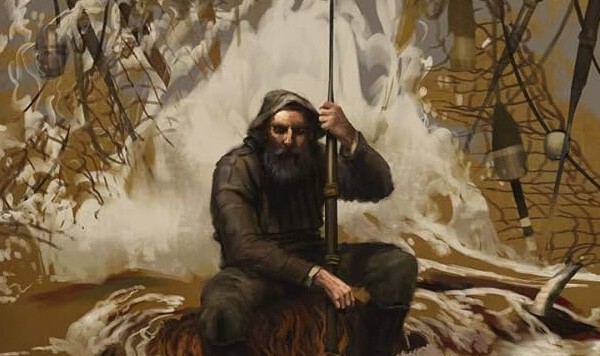
Susanna Clarke's Piranesi is a short, absorbing novel about a man who lives in an infinite house of marble halls flooded by the sea. The protagonist, who calls himself Piranesi, catalogues the statues, studies the tides, and eats seaweed and dried fish.
His only visitor is the Other, a man searching for a Great Secret Knowledge hidden in the house. The novel is a fascinating meditation on memory, identity, and knowledge, echoing Borges and Lewis Carroll while speaking in its own voice.
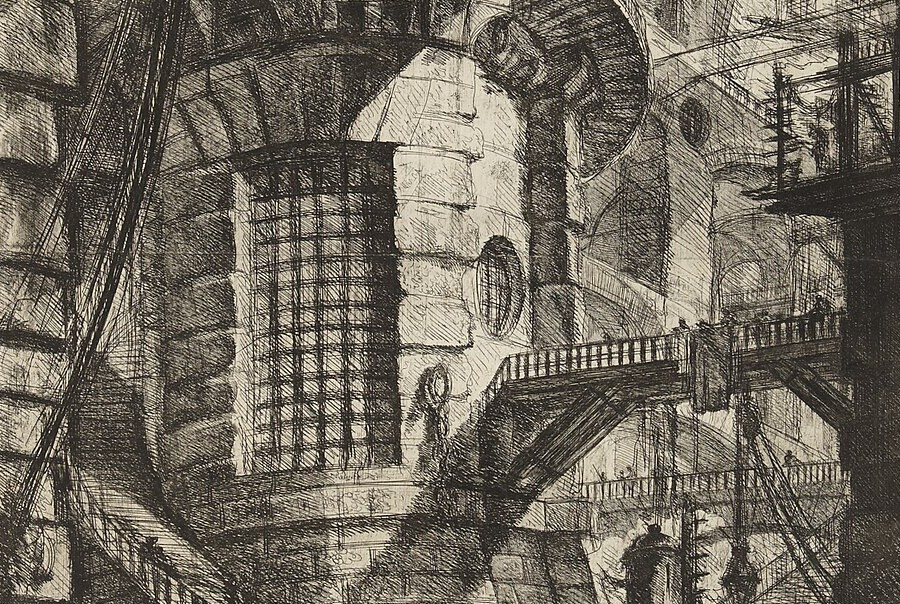
The world of Piranesi is inspired by Giovanni Battista Piranesi's impossible 18th-century engravings. Clarke turns those architectural fantasies into a living, breathing labyrinth that readers can explore alongside its narrator.
Lovecraft's Necronomicon: Fiction That Feels Real
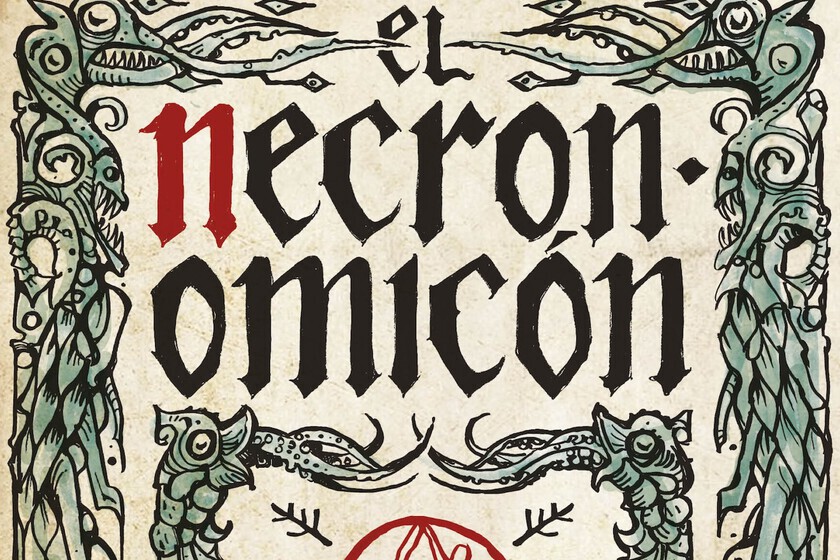
In 1922, H.P. Lovecraft invented the Necronomicon as a fictional cursed book, attributing it to the Arab Abdul Alhazred. He even developed a fake publication history, which he later admitted was pure invention.
Yet the book's eerie charisma persists. It appears in stories like 'The Hound' and 'The Dunwich Horror,' and has since become a real-world artifact in pop culture, inspiring everything from metal albums to role-playing games.
Reading Lovecraft in 2026 means grappling with his legacy—both his imaginative cosmic horror and the problematic elements of his worldview. It's a reminder that books can be both influential and complicated.
What Else to Put on Your 2026 Reading List
Beyond these two, your 2026 list should include a mix of new releases and backlist titles. Look for books that challenge your assumptions, introduce you to unfamiliar perspectives, and tell a damn good story. The background to this story is set out in Top Business Books to Read This Month for Growth. A related thread runs through Top Books You Must Read This Month: Expert Picks. Earlier coverage in Best Books of July 2024: Must-Read Picks and Reviews shows how the argument developed.
Consider setting a goal to read one book per month from a different genre. That could mean a sci-fi epic in January, a historical mystery in February, and a poetry collection in March. The variety keeps reading fresh. A closer look at the same subject appears in Couch-to-5k for Books: Rebuild Your Reading Habit. Anyone following the wider picture can start with Singapore Pays People to Read Books to Fix Reading Crisis. The same theme surfaces in The Secret Lives of Men Who Read Romance Books, which takes a different angle.
Don't overlook translated fiction, either. Works from around the world can offer a window into other cultures and ways of thinking, enriching your reading life in ways you might not expect. Context on how this played out before sits in Spiritbox Review: Canadian Metal Band's Genre-Bending Evolution. A companion piece, The three best books to read by Tom Wolfe (now more than ever) - Grand Goldman, approaches the same subject from another angle.
Key Takeaways for Building Your 2026 Reading List
- Mix old and new: Balance recent releases with modern classics you've missed.
- Explore genres: Jump between fiction, horror, philosophy, and more to keep things interesting.
- Consider the source: Books like the Necronomicon show how fiction can blur into reality—enjoy the ride.
- Set a flexible goal: Aim for a number of books, but don't stress if you fall short.
- Use recommendations wisely: Lists like this are a starting point, not a mandate.
Comparison Table: Featured Books at a Glance
| Title | Author | Genre | Why It's on the List |
|---|---|---|---|
| Piranesi | Susanna Clarke | Philosophical Fantasy | Short, immersive, and thought-provoking |
| Necronomicon (fictional) | H.P. Lovecraft | Cosmic Horror | Iconic invented book that feels real |
| Recent releases | Various | All genres | Fresh voices and new perspectives |
| Modern classics | Various | All genres | Timeless themes and enduring appeal |
FAQ
What is the best book to start with in 2026?
If you want something short and absorbing, try Piranesi by Susanna Clarke. It's a quick read but packed with ideas, making it a great entry point for a year of diverse reading.
Is the Necronomicon a real book?
No, the Necronomicon is a fictional book invented by H.P. Lovecraft. He created it for his stories and even gave it a fake history, but it does not exist as a real ancient text.
How many books should I aim to read in 2026?
There's no magic number. Set a goal that feels achievable and enjoyable, whether that's 12 books (one per month) or 50. The key is to read consistently and choose books that excite you.
Why include both new and old books on a reading list?
Mixing new releases with older titles gives you a broader perspective. New books offer fresh voices and current themes, while older books provide historical context and timeless storytelling.
Browse the Shop
 Acacia frida deluxe solid wood bed frame |
Bedroom bench |
Bed chest drawers |
Lingerie dresser |
Frame base |
Mirror with jewelry storage |
30 Bathroom Vanity |
Memory foam queen mattress |
Mattresses for back pain |
Nightstand set of 2 |
Grand Goldman Shop |
Civil Lawyer
Deutschland Trikot WM 2026







