

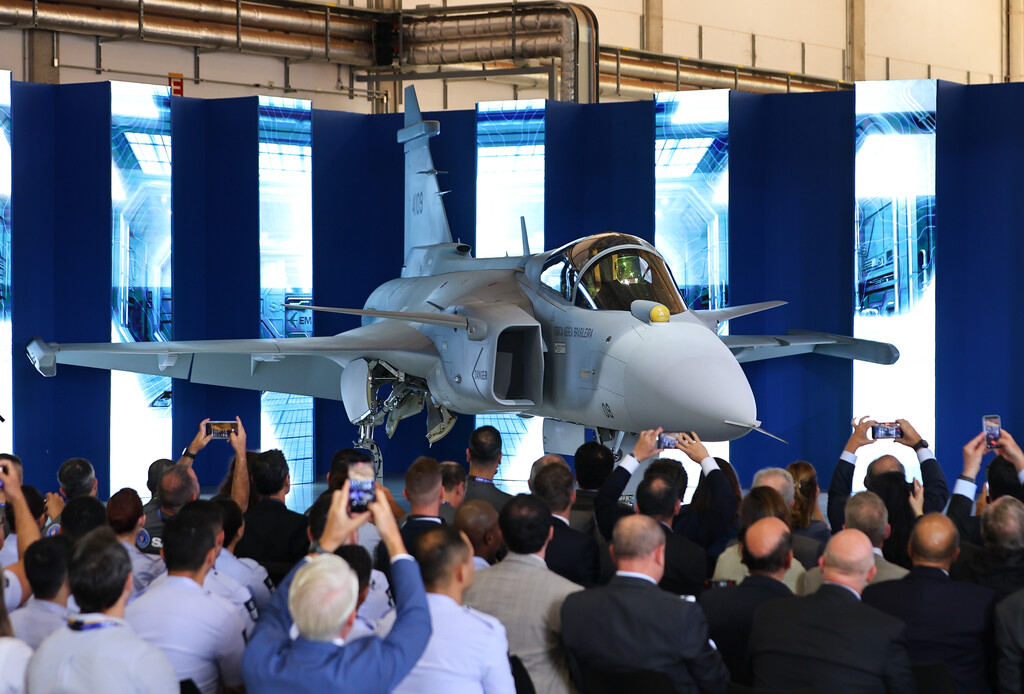
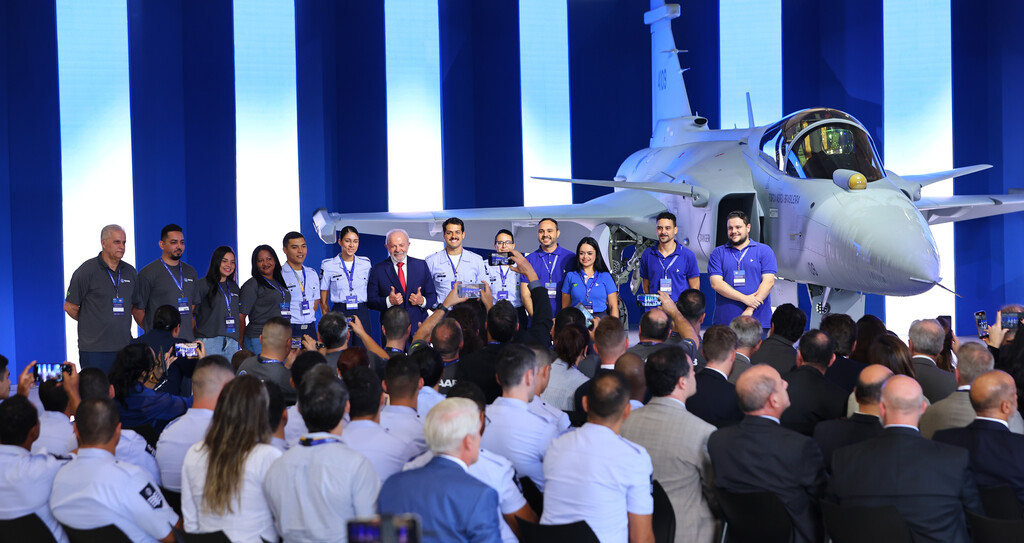
Brazil has achieved something once unthinkable for a Latin American country: assembling its own supersonic fighter jets. The first Gripen assembled in Brazil marks a historic milestone, but the real story lies in the industrial and technological transformation behind it.
The Significance of Brazil's Gripen Assembly
When Brazil rolled out the first Gripen fighter assembled on Latin American soil, it signaled more than just a new aircraft. It represented a strategic leap in the region's defense capabilities and industrial prowess. For decades, Latin American countries have relied on imported military hardware, often with limited technological spillover. Brazil's move changes that narrative.
Find Original Home Decor sparking conversation at Grand Goldman Shop.

The Gripen, originally a Swedish design, is now being assembled in Brazil through a partnership between Saab and the Brazilian Air Force. This collaboration goes beyond simple assembly; it involves technology transfer and the gradual development of local expertise. The true achievement is not merely putting together parts, but absorbing the knowledge to eventually produce significant components domestically.
Why This Matters for Latin America
Brazil's accomplishment has broader implications for the region. It demonstrates that Latin American nations can participate in high-tech global supply chains, moving beyond raw material exports. This shift could inspire similar initiatives in other countries, fostering regional cooperation and reducing dependence on foreign suppliers.

Moreover, the Gripen program is designed to stimulate local industry. By involving Brazilian companies in the production process, it creates jobs, develops skilled labor, and encourages innovation. Over time, this could lead to a more robust defense industrial base, capable of supporting future projects.
The Myth of the National Fighter
Modern fighter jets are among the most globalized industrial products on the planet. The Gripen, for instance, is often presented as a Swedish aircraft, but its components come from various countries. Similarly, the F-35 involves partners worldwide. Brazil's Gripen is no exception; it is a product of international collaboration.
However, this globalization does not diminish Brazil's achievement. Instead, it highlights the complexity of modern defense manufacturing and the importance of strategic partnerships. By integrating into this global network, Brazil gains access to cutting-edge technology and know-how that would be difficult to develop independently.
Technology Transfer and Local Capabilities
The Gripen program includes extensive technology transfer provisions. Brazilian engineers and technicians are working alongside Saab experts, learning about aeronautics, systems integration, and advanced manufacturing. This hands-on experience is invaluable for building a sustainable defense industry. The longer history behind the story is traced in Mercedes-Benz Eyes Defense Industry as Next Big Move. More on the surrounding debate is collected in Argentina's TAM Tank: Latin America's Only Indigenous Battle Tank.
As part of the agreement, Brazil will eventually take on a larger share of production, including potential exports to other countries. This phased approach allows for a gradual build-up of capabilities, ensuring that the knowledge is truly absorbed and retained. The background to this story is set out in Brazil Election 2026: Lula vs Bolsonaro Showdown Impact. A related thread runs through Lula vs Bolsonaros: Brazil Election Showdown Impact. Earlier coverage in Ukraine War: Starmer Vows Kyiv Will Win, Announces Gripen Jets shows how the argument developed.
Key Takeaways from Brazil's Fighter Program
- Brazil is the first Latin American country to assemble a supersonic fighter, marking a historic milestone.
- The Gripen program emphasizes technology transfer, enabling local industry to progressively absorb advanced aerospace knowledge.
- Modern fighter jets are globally produced, and Brazil's integration into this network is a strategic move.
- The initiative is expected to create jobs, develop skilled labor, and stimulate innovation in Brazil.
- Brazil's success could inspire other Latin American nations to pursue similar high-tech endeavors.
Comparing Brazil's Gripen Program
| Aspect | Details |
|---|---|
| First flight of assembled Gripen | 2023 (in Brazil) |
| Partners | Saab (Sweden) and Brazilian Air Force |
| Technology transfer | Extensive, including engineering and manufacturing know-how |
| Local industry involvement | Growing, with Brazilian companies participating in production |
| Future outlook | Potential export from Brazil and further indigenous development |
What to Watch Next
The coming years will be crucial for Brazil's defense industry. As more Gripen components are produced locally, the country will need to sustain investment in education and infrastructure. The success of this program could pave the way for other high-tech ventures, from satellites to advanced manufacturing. A closer look at the same subject appears in Hegseth’s $1.5T Defense Budget Signals Military-Industrial Chaos. Anyone following the wider picture can start with Hegseth's $1.5tn Defense Budget Reveals Military-Industrial Chaos. The same theme surfaces in Native American Women Achieve Historic Wins in US Midterms, which takes a different angle.
Additionally, Brazil's role in the global defense market may expand. If the country can demonstrate reliable and cost-effective production, it could become a supplier to other nations, further enhancing its geopolitical standing. Context on how this played out before sits in Brazil Election 2026: Pro-Trump Latin America Bloc Tested. A companion piece, Latin America's Space Race: Why It Matters and Who Leads, approaches the same subject from another angle.
FAQ
What does it mean that Brazil assembled its own supersonic fighter?
It means Brazil has become the first Latin American country to assemble a modern supersonic fighter jet, the Gripen, on its soil. This marks a significant step in the region's defense industrialization and technological capability.
Why is technology transfer important in the Gripen program?
Technology transfer allows Brazil to gradually acquire the knowledge and skills to produce advanced aircraft components and systems. This builds a sustainable defense industry and reduces long-term dependence on foreign suppliers.
Is the Gripen a Brazilian aircraft?
The Gripen is originally a Swedish design, but Brazil's version is assembled locally with increasing Brazilian participation. The program is a collaboration between Saab and Brazilian entities, reflecting the global nature of modern fighter production.
How does this impact the average Brazilian?
The program is expected to create jobs, develop high-tech skills, and stimulate economic growth in related sectors. It also strengthens national security and could lead to export opportunities, benefiting the economy.
Browse the Shop
 Acacia frida deluxe solid wood bed frame |
Bedroom bench |
Bed chest drawers |
Lingerie dresser |
Frame base |
Mirror with jewelry storage |
30 Bathroom Vanity |
Memory foam queen mattress |
Mattresses for back pain |
Nightstand set of 2 |
Grand Goldman Shop |
Civil Lawyer
Deutschland Trikot WM 2026







