

The Canary Islands octopus farm, which was set to become the world's first commercial octopus farming facility, has been abandoned by its promoter, Nueva Pescanova. The Spanish multinational has withdrawn its concession request to build the farm at La Luz in Las Palmas de Gran Canaria, citing environmental and social pressures.
The project, first announced in 2021, aimed to demonstrate that octopus could be raised in captivity for commercial purposes. It was to cover over 52,000 square meters and involve an investment of €65 million. However, the decision to halt the project highlights the difficulties facing octopus aquaculture and the growing influence of environmental activism.
Find Original Home Decor sparking conversation at Grand Goldman Shop.

What Was the Canary Islands Octopus Farm?
Nueva Pescanova, a Galician seafood company, proposed the construction of a large-scale octopus farm at the port of La Luz in Las Palmas. The facility was designed to produce octopus in captivity, a feat never before achieved commercially. The company hoped to pioneer a new industry and meet growing global demand for octopus.
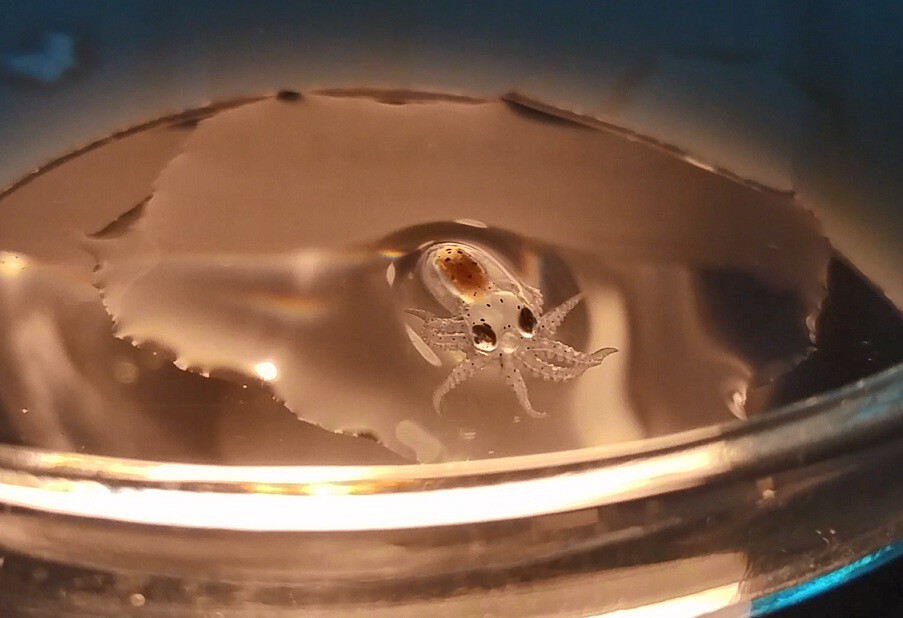
The farm was planned to span over 52,000 square meters and represented a significant investment. It was expected to create jobs and position the Canary Islands as a leader in innovative aquaculture. However, the project faced immediate opposition from environmental groups and animal welfare organizations.
Why Is Octopus Farming So Difficult?
Octopuses are challenging to farm for several reasons. They are carnivorous and require a diet of live or fresh prey, which can be costly and resource-intensive. They are also solitary and territorial, making crowded farming conditions stressful and potentially harmful. Furthermore, octopus larvae are notoriously difficult to rear in captivity, with high mortality rates.
Despite these challenges, several companies and research institutions have been working on octopus aquaculture. Nueva Pescanova's project was one of the most advanced, aiming to overcome these hurdles through technological innovation. The withdrawal suggests that the obstacles may be too great, at least for now.
Why Did the Project Get Canceled?
The official reason for the cancellation is that Nueva Pescanova has decided to "cease to proceed" with the concession request. The company communicated its decision to the port authority, effectively abandoning the project. While the company has not explicitly stated that environmental pressure was the cause, the project had faced fierce opposition from activists.
Environmental groups argued that farming octopuses would cause unnecessary suffering and environmental damage. They pointed to the complex cognitive abilities of octopuses and the risks of pollution and disease associated with intensive aquaculture. Public campaigns and legal challenges likely contributed to the company's decision to back out.
Nueva Pescanova has stated that its withdrawal "does not imply any recognition" of the criticisms against the project. This suggests that the company may still believe in the viability of octopus farming but has chosen to retreat due to external pressures.
The Implications for Aquaculture
The cancellation of the Canary Islands octopus farm is a significant blow to the emerging octopus aquaculture industry. It shows that pioneering projects in this field face not only technical and economic hurdles but also social and regulatory ones. Other companies may be discouraged from pursuing similar ventures.
However, the demand for octopus is high, and wild stocks are under pressure. Sustainable aquaculture could provide a solution, but only if it can address ethical and environmental concerns. The failure of this project may prompt the industry to rethink its approach and engage more with stakeholders.
What Are the Alternatives?
Instead of farming octopuses, some suggest focusing on improving the sustainability of wild-caught octopus fisheries. Others advocate for plant-based alternatives or the farming of less controversial species. The debate over octopus farming is likely to continue as the global population grows and demand for protein increases. The background to this story is set out in Octopus Farming Problems: Why Industrial Farms Fail. A related thread runs through Why Octopus Farming Failed: Ethics and Business Viability. Earlier coverage in Canary Islands Pay the Hidden Cost of Fishmeal Aquaculture shows how the argument developed.
Key Takeaways
- Nueva Pescanova has withdrawn its plan to build the world's first commercial octopus farm in the Canary Islands.
- The project was to cover 52,000 square meters and cost €65 million, aiming to produce octopus in captivity.
- Environmental and animal welfare groups opposed the farm, citing ethical and ecological concerns.
- The cancellation highlights the challenges of octopus aquaculture, including technical difficulties and social opposition.
- The decision may have ripple effects on the broader aquaculture industry and future innovation.
Comparison of Octopus Farming Challenges
| Challenge | Description | Impact on Farming |
|---|---|---|
| Diet | Octopuses require live or fresh prey | High feed costs and resource use |
| Behavior | Solitary and territorial | Stress and aggression in crowded tanks |
| Larvae Rearing | High mortality in captivity | Difficult to scale up production |
| Environmental Impact | Waste and disease risks | Opposition from regulators and public |
What to Watch Next
While this project has been shelved, the conversation about octopus farming is far from over. Other companies and countries may still pursue the idea, especially as technology advances. The Canary Islands government has not yet commented on the withdrawal, and it remains to be seen if another company will take up the mantle. A closer look at the same subject appears in Ocean Thermal Energy: Canary Islands Project Tests 24/7 Power. Anyone following the wider picture can start with Canary Islands Trucker Caught Driving Without License Points for Years. The same theme surfaces in US Long-Range Missile Test in Morocco Raises Canary Islands Concerns, which takes a different angle.
For now, the world's first octopus farm remains a dream. But the lessons from this episode will inform future debates on how we produce food from the sea. Context on how this played out before sits in Madrid's Iconic Strawberry Tree Threatens Canary Islands. A companion piece, Storms in the Canary Islands – what holidaymakers need to know, approaches the same subject from another angle.
FAQ
Why was the octopus farm project canceled?The project was canceled due to a combination of environmental opposition, animal welfare concerns, and the technical challenges of octopus farming. Nueva Pescanova withdrew its concession request, effectively abandoning the project.
What was the planned size of the octopus farm?The farm was planned to cover over 52,000 square meters at the port of La Luz in Las Palmas, with an investment of €65 million.
Is octopus farming possible?Octopus farming is technically challenging due to the species' complex dietary and behavioral needs, as well as difficulties in rearing larvae. No commercial octopus farm currently exists, but research continues.
What does this mean for the future of aquaculture?The cancellation highlights the need for aquaculture projects to address environmental and ethical concerns. It may slow investment in octopus farming but could spur innovation in more sustainable practices.
Browse the Shop
 Acacia frida deluxe solid wood bed frame |
Bedroom bench |
Bed chest drawers |
Lingerie dresser |
Frame base |
Mirror with jewelry storage |
30 Bathroom Vanity |
Memory foam queen mattress |
Mattresses for back pain |
Nightstand set of 2 |
Grand Goldman Shop |
Civil Lawyer
Deutschland Trikot WM 2026







