

Car running costs in 2026 vary dramatically depending on whether you drive a traditional fuel-powered car, a hybrid, or a fully electric vehicle. For many drivers, visiting the gas station feels as pleasant as a trip to the dentist—largely because both can be equally painful for the wallet. However, advances in thermal engine efficiency and the rise of electric powertrains are making some comparisons far more comforting.
Take, for instance, the claim that drivers of a latest-generation Renault can cover 100 kilometers for the price of a coffee. This comparison, hard to believe at first, is mathematically demonstrable. Combine that with surprisingly low maintenance costs—thanks to technologies like regenerative braking and the mechanical simplicity of electric motors—and it's clear that some models offer not only immediate savings through very low consumption but also a long-term cost profile that transforms the ownership experience.
Find Original Home Decor sparking conversation at Grand Goldman Shop.

Why Car Running Costs Matter More Than Ever in 2026
In 2026, the cost of driving is under scrutiny like never before. Fuel prices remain volatile, electricity rates fluctuate, and inflation has made every euro count. Consumers are increasingly aware that the sticker price of a car is only part of the story; the real financial impact comes from day-to-day running costs.
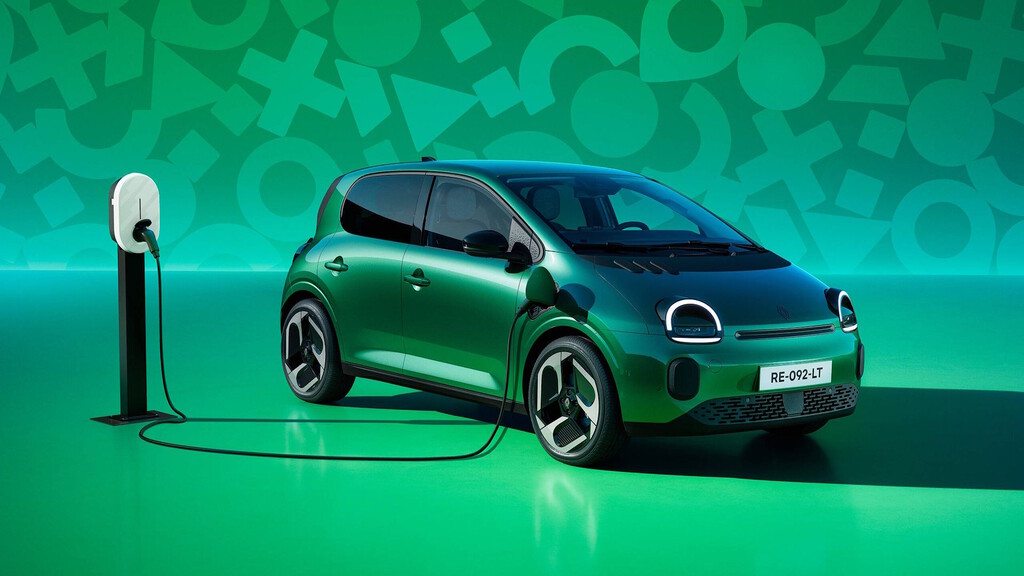
This shift in awareness is driving many buyers to look beyond horsepower and style. They want to know: how much will it cost to fuel, maintain, and insure my car over its lifetime? The answers differ significantly across technologies, and understanding these differences is key to making a smart choice.
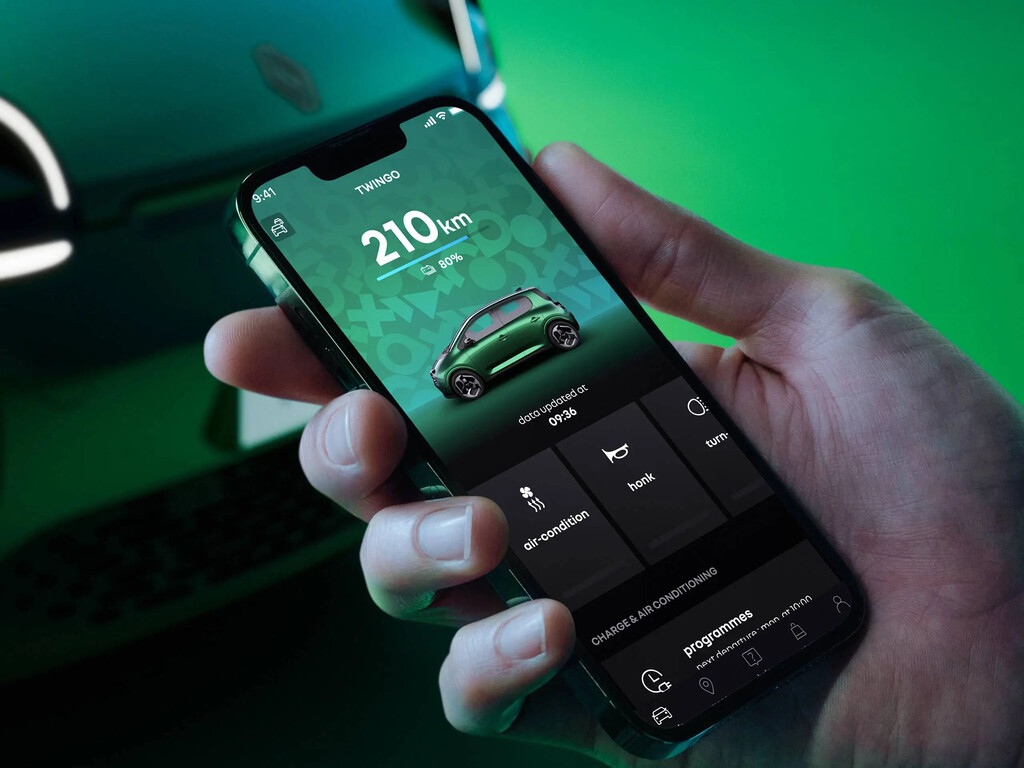
The Real Cost of Fueling Different Car Technologies
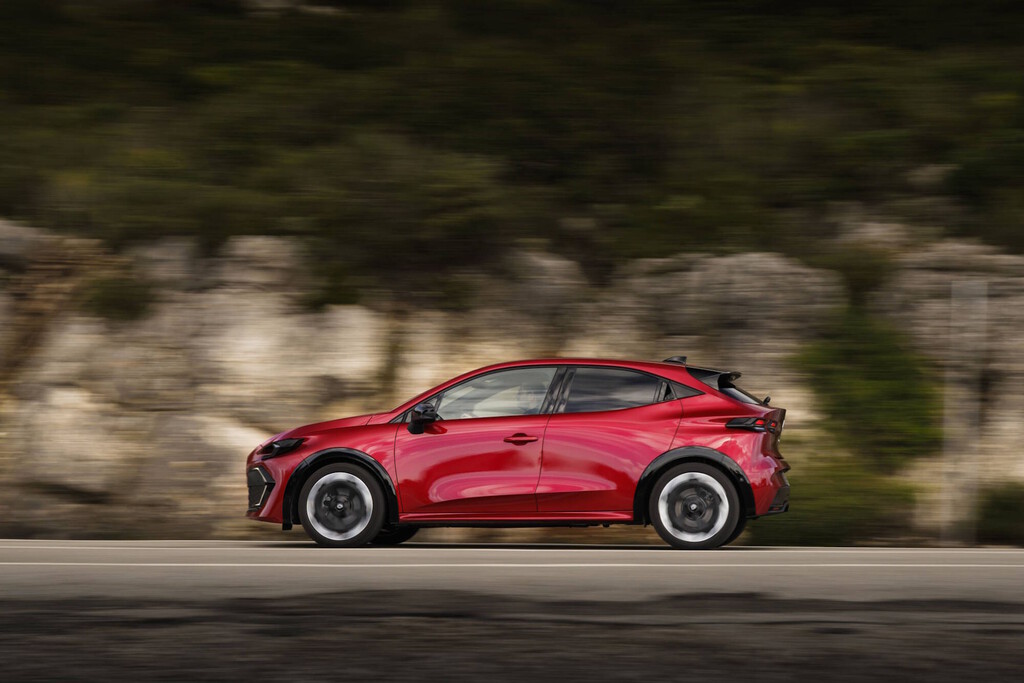
To grasp the financial implications, it helps to break down the cost per 100 kilometers for each major car technology. The figures below are illustrative and based on average European prices in early 2026, but they highlight the relative differences.
| Technology | Average consumption | Cost per 100 km (approx.) | Maintenance cost |
|---|---|---|---|
| Gasoline (petrol) | 6.5 L/100 km | €10–12 | Moderate |
| Diesel | 5.5 L/100 km | €8–10 | Moderate to high |
| Hybrid (non-plug-in) | 4.5 L/100 km | €7–9 | Moderate |
| Plug-in hybrid | 2.5 L/100 km + electricity | €5–7 | Moderate |
| Electric (home charging) | 15 kWh/100 km | €3–5 | Low |
| Electric (public fast charging) | 15 kWh/100 km | €8–12 | Low |
As the table shows, electric vehicles charged at home offer the lowest running costs by a significant margin. Even when using public fast chargers, the cost is comparable to efficient gasoline cars, but with lower maintenance.
Electric Cars: The Coffee-Price Claim Explained
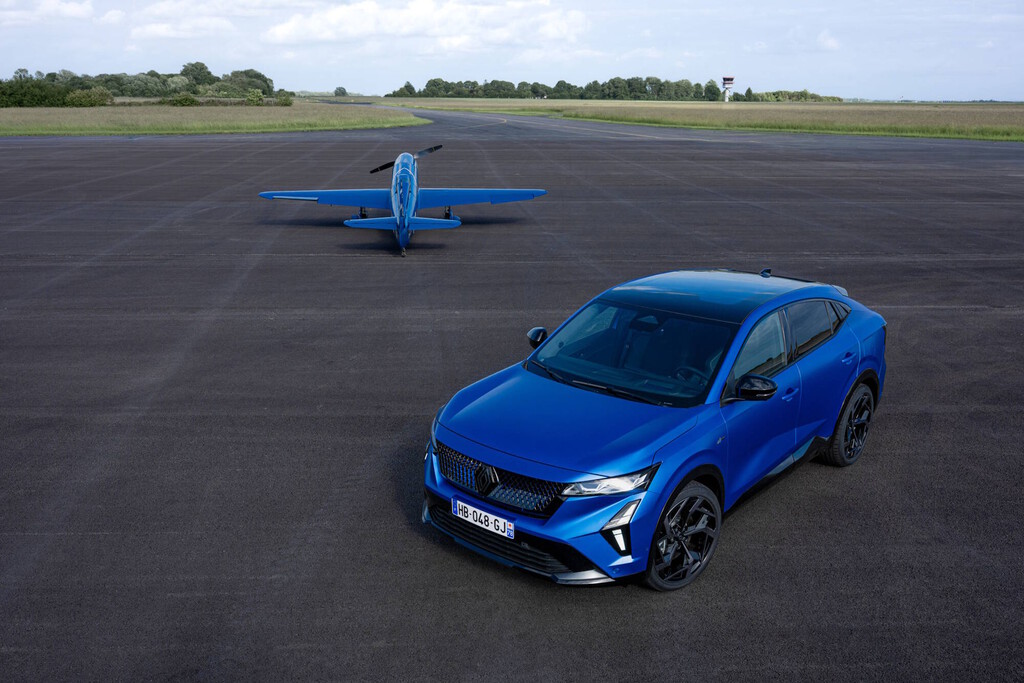
The example of the Renault Twingo E-Tech electric illustrates the point perfectly. This small urban car, with 80 CV and instant torque, is designed for efficiency. Its minimal consumption means that covering 100 kilometers can cost as little as the price of a coffee—around €1.50 to €2.50 if charged at home with off-peak electricity rates.
Such low costs are achievable because electric motors are far more efficient than internal combustion engines. They convert over 80% of electrical energy into motion, while gasoline engines waste most of their energy as heat. Additionally, regenerative braking recovers energy that would otherwise be lost, further improving efficiency.
Maintenance Savings: The Hidden Advantage of Electric Cars
Beyond fuel, maintenance is a major component of running costs. Electric cars have fewer moving parts—no oil changes, no spark plugs, no exhaust systems—and regenerative braking reduces wear on brake pads. This translates to lower servicing bills over time.
For example, an electric car might require only tire rotations and cabin air filter changes for the first few years, whereas a gasoline car needs regular oil changes, belt replacements, and more frequent brake work. These savings add up, making the total cost of ownership for an EV often lower than a comparable gas car, even if the purchase price is higher.
Hybrids and Plug-in Hybrids: A Middle Ground
Hybrids and plug-in hybrids offer a compromise. They reduce fuel consumption by combining a gasoline engine with electric assistance, and plug-in hybrids can cover short distances on electricity alone. This flexibility can lead to significant savings, especially for drivers who can charge regularly and mostly drive short distances. The longer history behind the story is traced in Car Running Costs in 2026: Fuel vs Electric Compared. More on the surrounding debate is collected in Why Cabin Space Is the Key Factor for Electric Cars in 2026.
However, plug-in hybrids still require gasoline for longer trips and have more complex powertrains, which can mean higher maintenance costs than pure electric cars. They are a good stepping stone for those not ready to commit fully to electric. The background to this story is set out in ADHD and Autism Costs in England 'Running Out of Control'. A related thread runs through Europe's Diesel Dependency Costs 203 Million Euros Daily. Earlier coverage in Trending: latest articles shows how the argument developed.
What to Watch Next: Trends Shaping Car Costs in 2026
Several trends will influence car running costs in the coming years. Battery prices are falling, making EVs more affordable. Charging infrastructure is expanding, reducing range anxiety and making public charging more convenient. Meanwhile, fuel prices are expected to remain volatile due to geopolitical factors and the transition to renewable energy. A closer look at the same subject appears in Action Discounts 3-in-1 Pressure Pump: Save on Tire Inflation. Anyone following the wider picture can start with 5 Things You Can Do from Your Phone to Prep Your EV for the Morning. The same theme surfaces in WLTP Range and Consumption Explained for EV Buyers in 2026, which takes a different angle.
Governments are also implementing policies that affect costs, such as carbon taxes, subsidies for EVs, and restrictions on combustion engines in city centers. These factors will increasingly favor electric and efficient hybrid vehicles. Context on how this played out before sits in School Costs for UK Parents: Uniform and Hidden Expenses. A companion piece, UK School Costs: Parents and Carers Face These Expenses, approaches the same subject from another angle.
- Electric cars charged at home offer the lowest cost per 100 km.
- Maintenance costs for EVs are significantly lower than for combustion cars.
- Hybrids provide savings without range anxiety.
- Public fast charging can be costly but is improving.
- Government policies will continue to shape the economics of driving.
FAQ
How much does it cost to run an electric car per 100 km?
Charging at home, an electric car typically costs between €3 and €5 per 100 km, depending on electricity rates. Using public fast chargers, the cost can rise to €8–12 per 100 km, similar to efficient gasoline cars.
Are electric cars cheaper to maintain than gasoline cars?
Yes, electric cars generally have lower maintenance costs because they have fewer moving parts and regenerative braking reduces brake wear. They don't require oil changes, spark plugs, or exhaust repairs.
What is the cheapest car technology to run in 2026?
Battery electric vehicles charged at home are the cheapest to run, followed by plug-in hybrids and efficient hybrids. Gasoline and diesel cars have the highest running costs.
Will fuel prices go down in 2026?
Fuel prices are unpredictable and depend on global oil markets, geopolitical events, and energy policies. They are expected to remain volatile, making electric and hybrid cars more attractive for cost-conscious drivers.
Browse the Shop
 Acacia frida deluxe solid wood bed frame |
Bedroom bench |
Bed chest drawers |
Lingerie dresser |
Frame base |
Mirror with jewelry storage |
30 Bathroom Vanity |
Memory foam queen mattress |
Mattresses for back pain |
Nightstand set of 2 |
Grand Goldman Shop |
Civil Lawyer
Deutschland Trikot WM 2026







