

Caviar, once the ultimate symbol of luxury, is undergoing a remarkable transformation as China's growing aquaculture industry democratizes its consumption. No longer reserved for the ultra-wealthy, this delicacy is now reaching a broader audience, raising questions about exclusivity and market dynamics.
The Shifting Landscape of Caviar
For decades, caviar was synonymous with opulence, with prices soaring into the thousands of dollars per kilogram. But something is changing. A quick online search reveals offers like 30-gram tins of sturgeon roe for around €100 or even less. In the United States, new brands are targeting the general public with promotions like 125 grams for under $270.
Find Original Home Decor sparking conversation at Grand Goldman Shop.

Even more telling, caviar is now being used to top hot dogs and nuggets—items that, while pricier than usual, are no longer considered luxuries but rather indulgences. This shift begs the question: will caviar remain as coveted if it loses its exclusive aura?
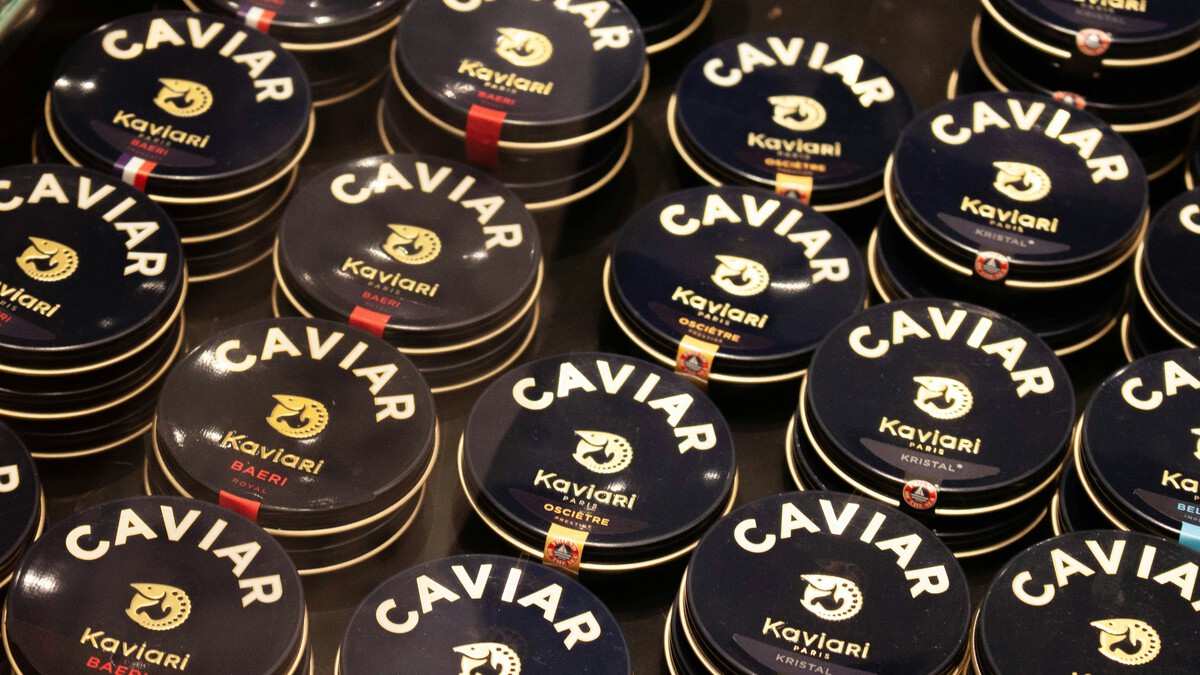
China's Role in Democratizing Caviar
China has emerged as a major player in the global caviar market. Its large-scale sturgeon farming operations have significantly increased supply, driving down prices. According to The Wall Street Journal, the trend is so pronounced that one headline provocatively asked, "Caviar is getting so cheap you could give it to a child." While debatable, the sentiment underscores a real change.
Chinese producers have invested heavily in aquaculture technology, enabling them to produce caviar at scale. This has not only made caviar more affordable but also challenged traditional European producers who have long dominated the market. The longer history behind the story is traced in NYC Luxury Real Estate: $1M Parking Spots for Cars. More on the surrounding debate is collected in China's Foie Gras Industry Challenges France's Dominance.
What's Driving the Price Drop?
Several factors contribute to the decreasing cost of caviar. First, increased supply from Chinese farms has flooded the market. Second, improved farming techniques have reduced mortality rates and increased yield. Third, the global economic landscape has made consumers more price-sensitive, pushing producers to offer more accessible options. Context on how this played out before sits in The Surprising History of Milk: From Ancient Taboo to Modern Staple. A companion piece, China's Loneliness Economy: The Rise of Solo Living and Companion Services, approaches the same subject from another angle.
Additionally, the rise of e-commerce has made caviar more readily available to consumers who might never have visited a specialty store. Online promotions and direct-to-consumer sales are further eroding the luxury mystique. The background to this story is set out in Trending: latest articles. A related thread runs through Spain's Burger Obsession in 2026: Market Growth and Trends.
Implications for the Luxury Market
The democratization of caviar raises important questions for the luxury food industry. If caviar becomes commonplace, will it lose its status? Some argue that exclusivity is key to luxury appeal, and widespread availability could diminish its cachet. Earlier coverage in China's Luxury Postpartum Hotels: A Booming Business shows how the argument developed. A closer look at the same subject appears in Madrid Luxury Skyscraper: Golf Simulator and Panoramic Pool.
On the other hand, a larger market could lead to innovation and new product categories. For example, flavored caviars or caviar blends might emerge to cater to different tastes and price points. The key will be balancing accessibility with perceived value. Anyone following the wider picture can start with China's Electric Car Battery Problem: What to Do With Dead Batteries. The same theme surfaces in Tablets in 2026: Why Sales Are Falling and What Comes Next, which takes a different angle.
Key Takeaways
- China's large-scale sturgeon farming has significantly increased global caviar supply.
- Prices have dropped to the point where caviar is accessible to middle-class consumers.
- The luxury cachet of caviar may be diluted as it becomes more common.
- Traditional producers face pressure to adapt to the new market reality.
- E-commerce and direct-to-consumer sales are accelerating the trend.
Caviar Price Comparison
| Product | Quantity | Price Range |
|---|---|---|
| Traditional European Caviar | 30g | €100-€200 |
| Chinese Caviar (online) | 30g | €50-€100 |
| US Brand Promotion | 125g | Under $270 |
| Caviar-topped Hot Dog | Single serving | $10-$20 |
FAQ
Why is caviar becoming cheaper?
Caviar is becoming cheaper primarily due to increased supply from Chinese sturgeon farms, which have scaled up production using advanced aquaculture techniques. This has led to a surplus in the market, driving prices down.
Is caviar still considered a luxury item?
While caviar is still viewed as a luxury by many, its decreasing price and growing availability are challenging its exclusive status. Some purists argue that true luxury requires scarcity, but others see it as a new era of accessibility.
How is China able to produce so much caviar?
China has invested heavily in sturgeon aquaculture, utilizing large-scale farms and advanced technology to breed and raise sturgeon. This efficient production system allows them to output significant quantities of caviar at lower costs.
What does this mean for traditional caviar producers?
Traditional producers in Europe and elsewhere are facing increased competition and may need to adapt by focusing on premium quality, sustainability, or unique flavors to differentiate themselves. Some may also explore direct-to-consumer models.
The caviar market is at a crossroads. As China continues to democratize this once-exclusive delicacy, the industry must navigate the balance between accessibility and prestige. For consumers, it means more opportunities to enjoy caviar without breaking the bank. For producers, it's a call to innovate and redefine what luxury means in a changing world.
Browse the Shop
 Acacia frida deluxe solid wood bed frame |
Bedroom bench |
Bed chest drawers |
Lingerie dresser |
Frame base |
Mirror with jewelry storage |
30 Bathroom Vanity |
Memory foam queen mattress |
Mattresses for back pain |
Nightstand set of 2 |
Grand Goldman Shop |
Civil Lawyer
Deutschland Trikot WM 2026







