

China's ghost kitchens have become a major problem in the food delivery industry, with thousands of restaurants operating without physical locations, kitchens, or proper licenses. This issue came to light after a customer in Beijing ordered a birthday cake through a delivery app and received a product decorated with inedible flowers.
The complaint seemed like a minor incident among millions of daily orders, but the subsequent investigation uncovered one of the largest food fraud schemes in Chinese digital commerce. The business the customer bought from claimed to have nearly 380 locations across the country. In reality, it had no physical stores at all. The licenses were fake, and the company existed only within the apps.
Find Original Home Decor sparking conversation at Grand Goldman Shop.

What started as an isolated complaint opened the door to a national review that revealed a much deeper problem: "ghost kitchens," thousands of restaurants that appeared real to consumers simply did not exist.
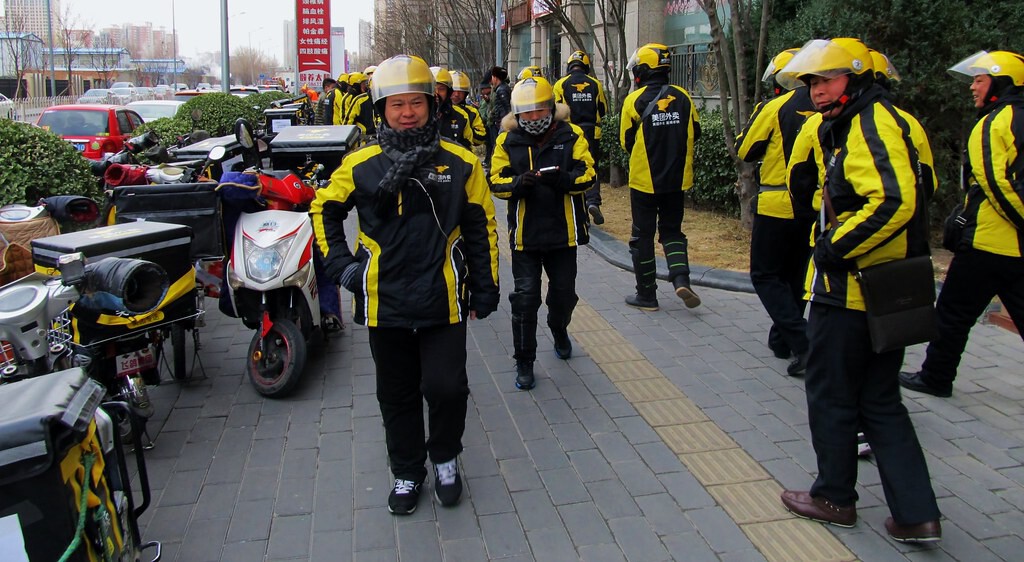
What Are Ghost Kitchens and How Do They Operate?
Ghost kitchens, also known as dark kitchens or virtual restaurants, are food businesses that exist only on delivery platforms. They have no physical storefront, no dine-in area, and sometimes no actual kitchen. Instead, they operate from shared commercial kitchens or even home kitchens, often without proper food safety certifications.
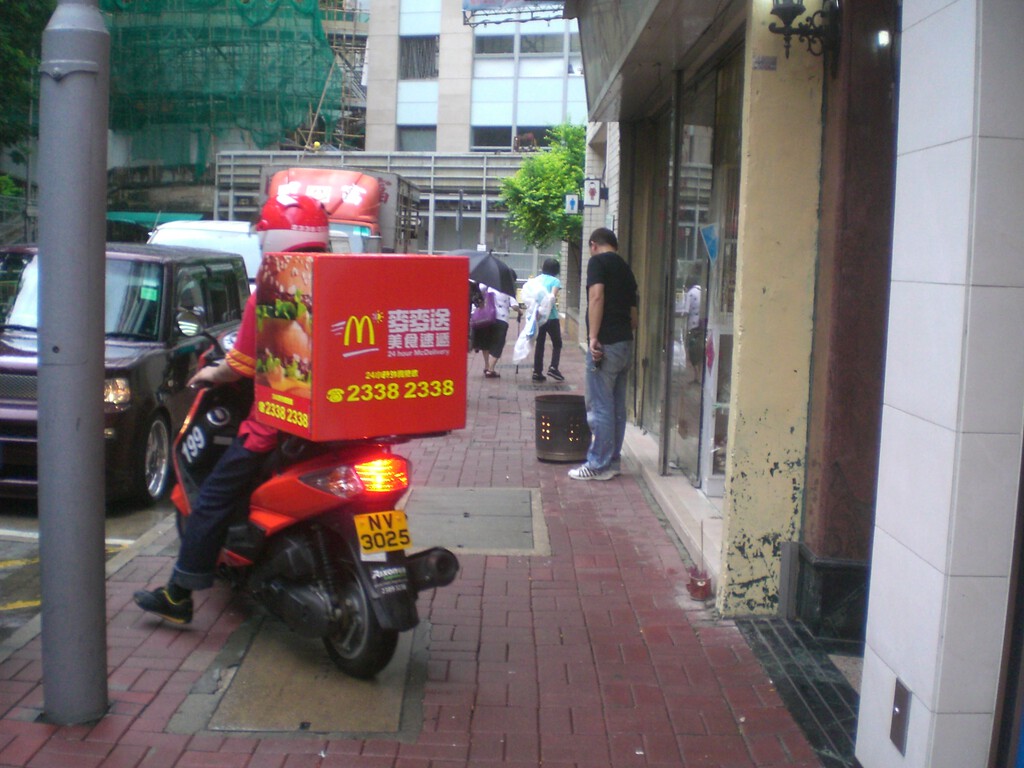
These operations can be highly sophisticated, using fake addresses, stolen photos, and fabricated reviews to appear legitimate. Some even use multiple brand names to capture more search results on delivery apps.
The lack of physical presence makes it difficult for regulators to inspect and enforce food safety standards. Consumers, meanwhile, have no way to verify the legitimacy of these businesses before ordering.
The Rise of Fake Restaurants in China's Delivery Market
China's food delivery market is massive, with billions of orders placed annually. This scale creates opportunities for fraudsters to exploit gaps in oversight. The case of the fake cake shop is just one example of a widespread issue.
According to reports, many ghost kitchens use fake licenses and addresses to register on platforms. Some operate from residential apartments, while others use abandoned warehouses or even shipping containers. The food is often prepared in unsanitary conditions, posing serious health risks to consumers.
The problem is not unique to China, but the scale and sophistication of these operations are particularly alarming. The lack of transparency in the supply chain makes it difficult for consumers to know what they are eating and where it came from.
Why This Matters: Health Risks and Consumer Trust
Ghost kitchens pose significant health risks. Without proper oversight, food can be prepared in unsanitary conditions, leading to foodborne illnesses. In some cases, expired or contaminated ingredients are used to cut costs.
Beyond health risks, the prevalence of fake restaurants erodes consumer trust in delivery platforms. When customers cannot verify the legitimacy of a restaurant, they may become hesitant to order online, harming legitimate businesses as well.
The issue also raises questions about platform accountability. Delivery apps profit from these listings but often fail to adequately vet their partners. This creates a moral hazard where platforms have little incentive to crack down on fraudulent sellers.
Regulatory Response and Challenges
Chinese authorities have started to take action. Following the exposure of the fake cake shop, regulators launched a nationwide inspection campaign targeting ghost kitchens. Thousands of illegal operations were shut down, and new regulations were introduced requiring platforms to verify licenses and conduct regular inspections.
However, enforcement remains challenging. The sheer number of small operators and the ease of creating new digital identities make it difficult to eliminate the problem entirely. Some fraudsters simply rebrand and reappear under new names.
Platforms have also stepped up their efforts, using AI and big data to detect suspicious patterns. But these measures are not foolproof, and the cat-and-mouse game continues.
What to Watch Next
As the food delivery industry continues to grow, the battle against ghost kitchens will intensify. Consumers should remain vigilant, checking reviews and verifying restaurant addresses before ordering. Platforms must invest more in verification technologies and cooperate with regulators.
The Chinese experience offers lessons for other countries facing similar challenges. The key is to balance innovation with accountability, ensuring that convenience does not come at the expense of safety and trust.
- Ghost kitchens are food businesses that exist only on delivery apps, often without physical locations or proper licenses.
- The problem is widespread in China, with thousands of fake restaurants operating on major platforms.
- Health risks include unsanitary conditions and use of expired ingredients.
- Regulators are cracking down, but enforcement is difficult due to the scale and anonymity of operations.
- Consumers should verify restaurant legitimacy before ordering.
| Type | Physical Location | License Verification | Food Safety Risk |
|---|---|---|---|
| Traditional Restaurant | Yes | Required | Low to Moderate |
| Ghost Kitchen | No | Often Fake | High |
| Shared Kitchen | Yes (shared) | Varies | Moderate |
The ghost kitchen phenomenon is a stark reminder of the challenges posed by the digital economy. As online platforms become the primary interface for commerce, ensuring transparency and accountability is more important than ever.
For those interested in how China is tackling other technological challenges, the country's advancements in fusion energy are noteworthy. China's 582-ton magnet for artificial sun fusion energy represents a significant leap in clean energy research, showing the nation's capacity for innovation when properly regulated. The background to this story is set out in 40 Times People Ordered Something Online But Received Something Different. A related thread runs through Dark-Eyed Fruit Flies: A Growing Pest in Restaurant Kitchens. Earlier coverage in Most Surprising Experience Gifts People Have Received shows how the argument developed.
Meanwhile, the energy sector continues to evolve, with utilities investing in smart grids and renewable sources. These developments highlight the importance of robust oversight in emerging industries. A closer look at the same subject appears in Well Received Synonym: 21 Better Phrases for Work Emails — Explained. Anyone following the wider picture can start with China Orders Government Agencies to Ditch Windows 10 China Edition. The same theme surfaces in China Builds Fake Ancient Towns to Attract Tourists, which takes a different angle.
As we navigate the complexities of modern commerce, it's clear that consumer protection must keep pace with technological change. The lessons from China's ghost kitchens will resonate far beyond its borders. Context on how this played out before sits in Ferran Adrià: Why Socializing Beats Food at Restaurants. A companion piece, Chefs Switch from Gas to Electric Induction for Cooler Kitchens, approaches the same subject from another angle.
FAQ
What is a ghost kitchen?
A ghost kitchen is a food business that operates only through delivery apps and has no physical storefront or dine-in area. They often use shared kitchens or home kitchens and may lack proper licenses.
Why are ghost kitchens a problem?
They pose health risks due to unsanitary conditions and lack of oversight, and they erode consumer trust in delivery platforms. They also create unfair competition for legitimate restaurants.
How can consumers protect themselves?
Consumers should verify restaurant addresses, check reviews, and look for official certifications. Ordering from well-known brands or platforms with strong verification processes can reduce risk.
What is China doing about ghost kitchens?
Chinese authorities have launched inspection campaigns and introduced regulations requiring platforms to verify licenses. However, enforcement remains challenging due to the scale of the problem.
Browse the Shop
 Acacia frida deluxe solid wood bed frame |
Bedroom bench |
Bed chest drawers |
Lingerie dresser |
Frame base |
Mirror with jewelry storage |
30 Bathroom Vanity |
Memory foam queen mattress |
Mattresses for back pain |
Nightstand set of 2 |
Grand Goldman Shop |
Civil Lawyer
Deutschland Trikot WM 2026







