

Multilingualism and the ability to switch between languages is a fascinating phenomenon that researchers are now studying in two distinct regions of the Iberian Peninsula: Galicia and Gibraltar. Despite being separated by 700 kilometers, these areas share a common trait—their inhabitants frequently alternate between languages in daily life, offering a unique window into how multilingualism develops and functions.
The study focuses on code-switching, the seamless transition from one language to another that many people take for granted. In Spain, where Castilian Spanish coexists with co-official languages like Galician, Catalan, Basque, and Valencian, as well as numerous dialects and jargons, this linguistic fluidity is part of everyday experience. Yet linguists still seek to understand the underlying mechanisms: Why do we switch? How does the brain manage multiple languages? And what does this mean for our understanding of language itself?
Find Original Home Decor sparking conversation at Grand Goldman Shop.

Why Galicia and Gibraltar?
Galicia, in northwestern Spain, is a bilingual region where Galician and Spanish are both widely spoken. Many residents grow up hearing and using both languages, switching naturally depending on context, interlocutor, or topic. This constant back-and-forth is a rich source of data for researchers.
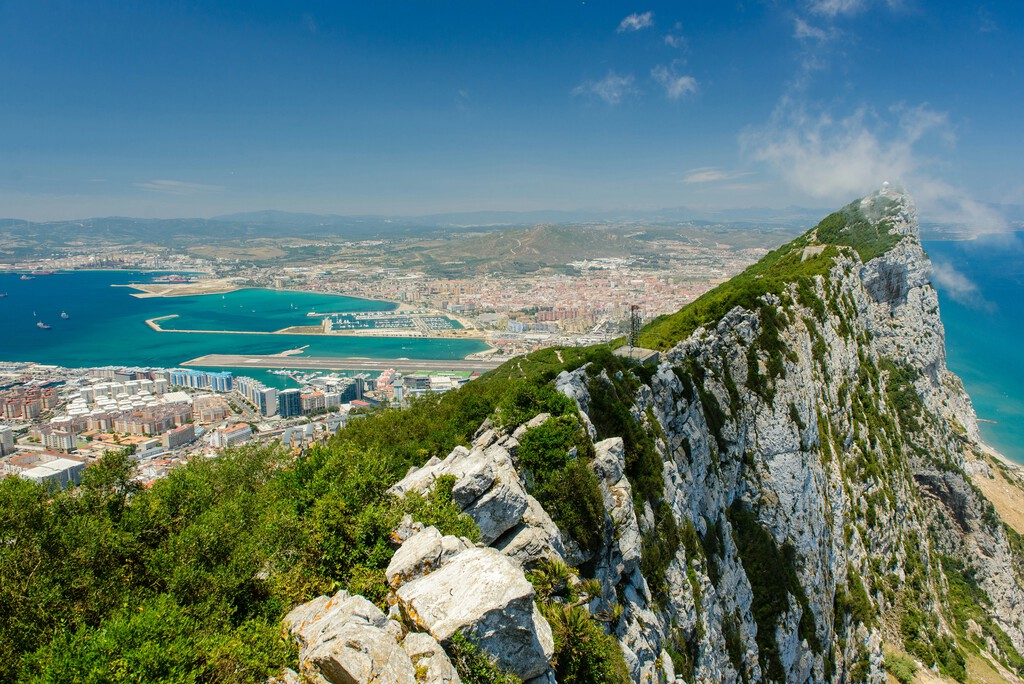
Gibraltar, a British Overseas Territory at the southern tip of the Iberian Peninsula, presents a different but equally compelling case. There, English and Spanish coexist, with code-switching being a common practice among locals. The juxtaposition of these two regions allows researchers to compare different bilingual contexts and identify universal patterns in language switching.
The Definition of Multilingualism
The Royal Spanish Academy (RAE) defines multilingualism as the coexistence of several languages in a country or territory. While Spain's linguistic landscape is diverse, with Castilian as the official language and several co-official languages in specific regions, the reality is even more complex. Dialects, jargons, and minority languages like Gacería further enrich the mosaic. Understanding how multilingualism operates in these contexts is key to understanding human communication.
What Researchers Hope to Discover
By focusing on Galicia and Gibraltar, the research aims to uncover the cognitive and social factors that drive code-switching. Studies in psycholinguistics have shown that bilinguals often switch languages unconsciously, influenced by factors such as emotional context, social identity, and cognitive load. The new research could shed light on how these factors interact in real-world settings.
Moreover, the findings may have implications for education, language policy, and even technology. For instance, understanding code-switching patterns can improve machine translation and speech recognition systems, which often struggle with multilingual input.
- Code-switching is natural: It occurs spontaneously and is not a sign of confusion.
- Context matters: The choice of language depends on who you speak to, where you are, and what you are doing.
- Cognitive benefits: Managing multiple languages may enhance executive function and cognitive flexibility.
- Social identity: Language choice can signal group membership and cultural belonging.
- Research gaps: Despite its prevalence, the mechanisms of code-switching are still not fully understood.
Comparing Language Dynamics: Galicia vs. Gibraltar
The table below summarizes key differences and similarities between the two regions in terms of language use and research focus.
| Aspect | Galicia | Gibraltar |
|---|---|---|
| Languages involved | Galician and Spanish | English and Spanish |
| Official status | Both co-official | English official; Spanish widely spoken |
| Code-switching frequency | High in informal contexts | Common in daily interactions |
| Research focus | Bilingualism in a co-official context | Bilingualism in a border/territory context |
What This Means for Multilinguals
For those who grow up speaking multiple languages, code-switching is second nature. It is not a sign of linguistic weakness but rather a sophisticated skill that reflects cognitive flexibility and social awareness. The research in Galicia and Gibraltar highlights that multilingualism is not just about knowing several languages; it is about navigating between them seamlessly.
This has implications for how we view language learning and bilingual education. Rather than discouraging code-switching, educators might recognize it as a valuable communicative strategy. Similarly, in a globalized world, the ability to switch between languages is an asset in business, travel, and cross-cultural communication. The longer history behind the story is traced in QR Codes on Galicia Gravestones: Who Maintains the Digital Legacy.
The Role of Minority Languages
While the study focuses on Galicia and Gibraltar, it also touches on the broader spectrum of multilingualism in Spain, including minority languages like Aranese and Bable, as well as dialects such as Gacería. These smaller speech communities face unique challenges in preserving their languages while navigating a dominant language environment. Understanding code-switching in these contexts can inform revitalization efforts. The background to this story is set out in Galicia's 'Crebas' Phenomenon: When the Sea Returns Printers. A related thread runs through Galicia's Centenarian Secret: Why So Many Live Past 100. Earlier coverage in Octopus Decline in Galicia: Why Spain's Fishing Industry Isn't Worried shows how the argument developed.
What to Watch Next
As the research progresses, we can expect more detailed findings on the patterns and motivations behind code-switching. Future studies may explore how digital communication and social media influence language mixing, or how multilingualism affects aging and cognitive health. For now, the project underscores that language is not a rigid system but a dynamic, living phenomenon. A closer look at the same subject appears in Trump Assassination Threat: Secret Flight Switch Reveals Iran Danger. Anyone following the wider picture can start with Giant Guillotine in Galicia Village: The Mystery Behind Trasanquelos. The same theme surfaces in Wealth Concentration in Galicia: More Owners Hold Multiple Properties, which takes a different angle.
The fact that Galicia and Gibraltar, despite their distance, share this linguistic trait is a reminder that human communication is incredibly adaptable. Whether in Vigo or on the Rock, the ability to switch languages is a testament to the brain's remarkable capacity for flexibility. Context on how this played out before sits in Galicia Inheritance Reform: No More Paying Debts With Your Own Savings. A companion piece, Hurricane Risk in Spain: Why Galicia Faces Growing Threat, approaches the same subject from another angle.
FAQ
What is code-switching?
Code-switching is the practice of alternating between two or more languages or dialects within a conversation or even a single sentence. It is a natural part of multilingual communication and is often done unconsciously.
Why are Galicia and Gibraltar important for this research?
Galicia and Gibraltar represent two distinct bilingual contexts—one where two co-official languages coexist, and another where an official language and a widely spoken non-official language interact. Comparing them helps researchers identify commonalities and differences in code-switching behavior.
Is code-switching a sign of poor language skills?
No, code-switching is not indicative of language deficiency. Research shows that it requires high proficiency in both languages and is a sign of cognitive flexibility and social awareness.
How does multilingualism benefit individuals?
Multilingualism has been linked to enhanced executive function, better problem-solving skills, and increased cultural empathy. It also opens up professional opportunities in a globalized world.
Browse the Shop
 Acacia frida deluxe solid wood bed frame |
Bedroom bench |
Bed chest drawers |
Lingerie dresser |
Frame base |
Mirror with jewelry storage |
30 Bathroom Vanity |
Memory foam queen mattress |
Mattresses for back pain |
Nightstand set of 2 |
Grand Goldman Shop |
Civil Lawyer
Deutschland Trikot WM 2026







