

The Great Pyramid of Giza may be far older than we ever imagined, according to a controversial new study that has sent shockwaves through Egyptology. For decades, experts have dated the monument to the reign of Pharaoh Khufu around 2589–2566 BC, but Italian engineer Alberto Donini of the University of Bologna now argues that the structure could have been built more than 20,000 years ago. If true, this would rewrite the history of one of the world's most iconic landmarks.
The claim is bold and has sparked intense debate among archaeologists and historians. The Great Pyramid, standing nearly 140 meters tall, has long been considered a testament to the engineering prowess of ancient Egypt. But Donini's research suggests that Khufu may not have been the original builder—rather, he might have merely renovated an already ancient structure. This idea challenges everything we thought we knew about the pyramid's origins.
Find Original Home Decor sparking conversation at Grand Goldman Shop.

What the New Study Claims About the Great Pyramid's Age
Donini's study, published in a peer-reviewed journal, uses astronomical and geological evidence to propose a much earlier construction date. According to the engineer, certain alignments of the pyramid with celestial bodies correspond to a sky configuration that occurred over 20,000 years ago, not around 2500 BC. He also points to weathering patterns on the monument that, in his view, suggest a much longer exposure to the elements than previously assumed.
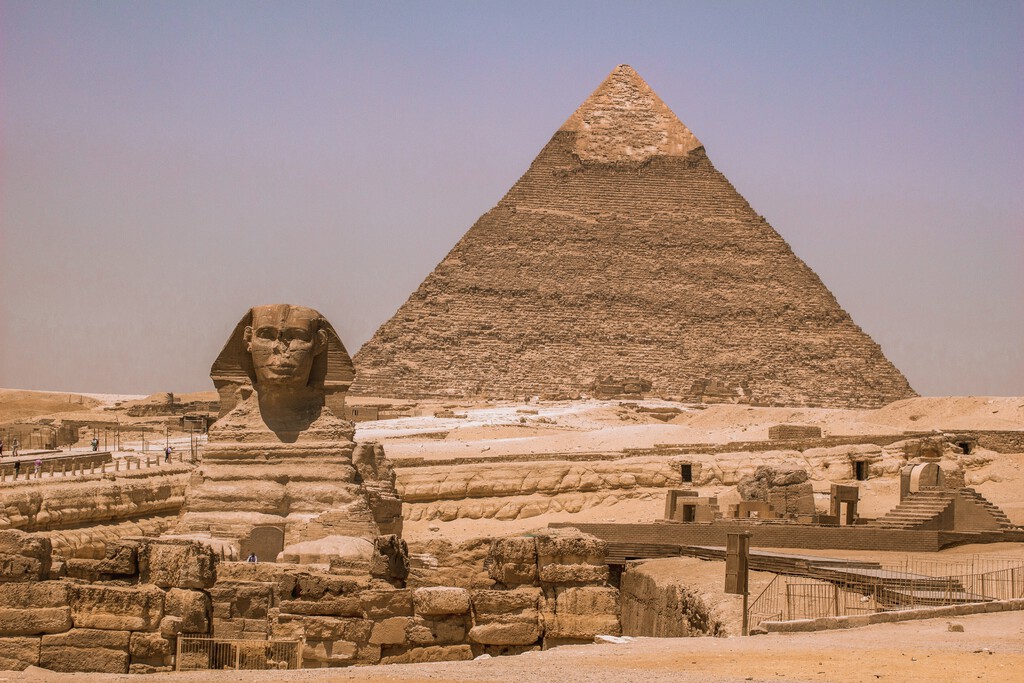
Mainstream Egyptologists have been quick to push back. They argue that the archaeological record—including worker camps, tools, and inscriptions—firmly places the pyramid's construction during the Fourth Dynasty. The consensus remains that Khufu commissioned the project as a tomb for himself. However, the study's publication has reignited public fascination with the mysteries of the pyramids.
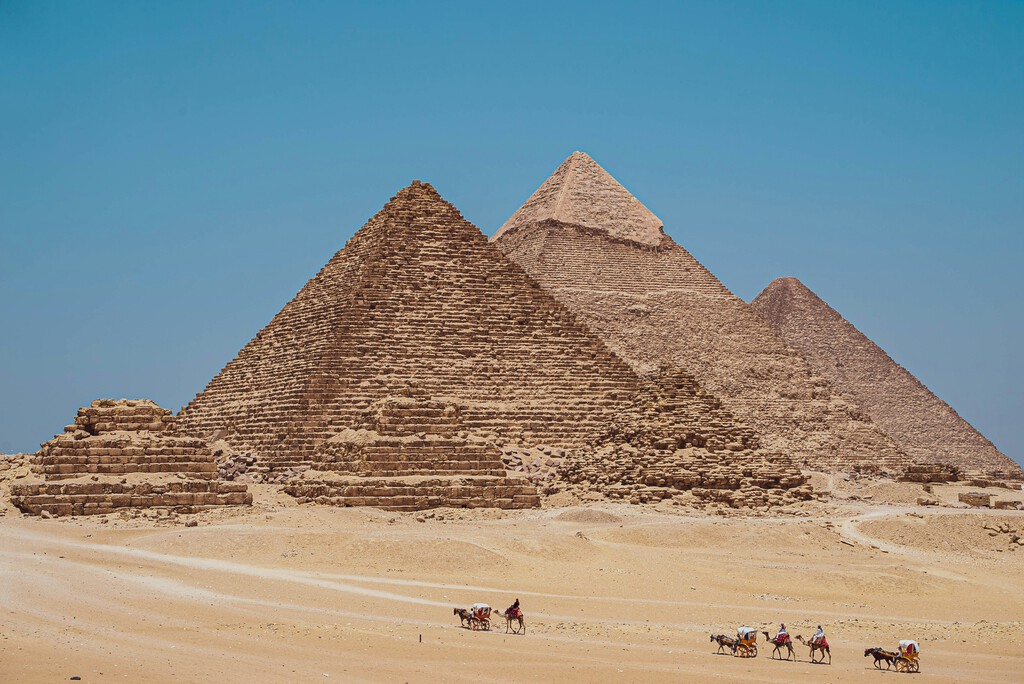
Why This Matters: The Stakes for Egyptology
If Donini's hypothesis were ever substantiated, it would upend our understanding of ancient civilizations. The Great Pyramid is not just a tomb; it is a symbol of human achievement and a key piece of Egypt's cultural heritage. A 20,000-year-old date would imply that a civilization capable of such precision existed millennia before the rise of dynastic Egypt—a notion that contradicts the entire timeline of human history as we know it.
Moreover, such a claim could have significant implications for tourism and heritage management. Egypt's tourism industry relies heavily on its ancient monuments, and any radical reinterpretation could affect how these sites are presented to the public. The debate also highlights the importance of rigorous scientific methodology in archaeology. Context on how this played out before sits in Great Pyramid of Giza May Be 20,000 Years Older Than Thought. A companion piece, Lost Link to Egypt's Great Pyramids Found in 5,000-Year-Old Tombs, approaches the same subject from another angle.
Key Takeaways from the Controversy
- Traditional dating places the Great Pyramid's construction around 2589–2566 BC during Khufu's reign.
- Alberto Donini's study proposes a date more than 20,000 years ago, based on astronomical alignments and weathering patterns.
- Mainstream Egyptologists remain skeptical, citing extensive archaeological evidence supporting the Fourth Dynasty origin.
- The debate underscores the need for interdisciplinary approaches and critical evaluation of new hypotheses.
- Public interest in pyramid mysteries continues to drive tourism and research funding.
Comparing the Evidence: Old vs. New Claims
To understand the controversy, it helps to compare the evidence supporting each side. The table below summarizes the key points. The background to this story is set out in Ancient Egyptian Princesses Used Weapons, Bone Study Reveals. A related thread runs through Trending: latest articles.
| Aspect | Traditional View | Donini's Hypothesis |
|---|---|---|
| Construction Date | c. 2589–2566 BC | More than 20,000 years ago |
| Builder | Pharaoh Khufu | Unknown civilization; Khufu possibly renovated |
| Key Evidence | Archaeological artifacts, inscriptions, worker camps | Astronomical alignments, weathering patterns |
| Scholarly Support | Widely accepted by Egyptologists | Controversial; limited support |
What to Watch Next in the Pyramid Debate
The scientific community will likely scrutinize Donini's methods and data in the coming months. Independent researchers may attempt to replicate his astronomical calculations or re-examine the weathering evidence. Meanwhile, Egypt's Ministry of Antiquities has not yet issued an official response, but experts are expected to weigh in. Earlier coverage in 80-Ton Blocks From the Lighthouse of Alexandria Found Underwater shows how the argument developed. A closer look at the same subject appears in Mummified Dog Over Couple in Egypt Tomb Baffles Experts.
For now, the traditional timeline remains the most robust, backed by a wealth of physical evidence. Yet the study serves as a reminder that science thrives on questioning established narratives. As new technologies like ground-penetrating radar and isotopic analysis become more accessible, we may uncover further secrets hidden within the Great Pyramid. Anyone following the wider picture can start with Humanity's 200,000-Year Journey: The Map That Tracks Our Route. The same theme surfaces in Banana in Berry Smoothies Blocks Flavanols, Study Finds, which takes a different angle.
FAQ
How old is the Great Pyramid of Giza according to mainstream archaeology?
Mainstream Egyptologists date the Great Pyramid to the reign of Pharaoh Khufu, around 2589–2566 BC, based on extensive archaeological evidence including worker camps, tools, and inscriptions.
What does the new study by Alberto Donini propose?
Donini suggests the pyramid could be over 20,000 years old, citing astronomical alignments and weathering patterns. He also proposes that Khufu may have renovated an older structure rather than built it.
Why is this study controversial?
The study contradicts the established archaeological record and the consensus that the pyramid was built during the Fourth Dynasty. Many experts question the reliability of the evidence presented.
What impact could this have on Egyptology?
If substantiated, it would rewrite the timeline of ancient civilizations and challenge our understanding of human history. However, most scholars remain skeptical until more evidence emerges.
Browse the Shop
 Acacia frida deluxe solid wood bed frame |
Bedroom bench |
Bed chest drawers |
Lingerie dresser |
Frame base |
Mirror with jewelry storage |
30 Bathroom Vanity |
Memory foam queen mattress |
Mattresses for back pain |
Nightstand set of 2 |
Grand Goldman Shop |
Civil Lawyer
Deutschland Trikot WM 2026







