

Electric cars are reshaping home energy use in ways that go far beyond the quiet streets and cleaner air they bring. The shared energy consumption between the vehicle and the household—rather than a separate fuel like gasoline—has integrated driving into domestic consumption habits traditionally kept behind closed doors.
The household accounting spreadsheet grows, but when well managed, it can deliver significant savings at the end of the month. This shift is forcing utilities and consumers to rethink how energy is produced, priced, and consumed.
Find Original Home Decor sparking conversation at Grand Goldman Shop.

From Fuel Pump to Home Charger: A New Energy Paradigm
For decades, driving meant visiting a gas station and paying for a fuel that had no connection to the home. Electric vehicles (EVs) change that equation entirely: charging happens at home, often overnight, using the same grid that powers lights, appliances, and heating.
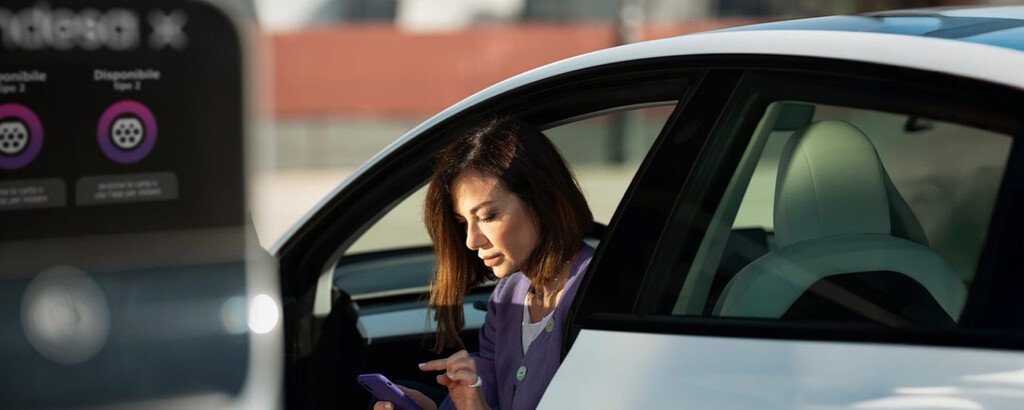
This integration means that household energy management now includes transportation. Consumers must consider time-of-use rates, charging schedules, and overall electricity consumption to maximize savings.
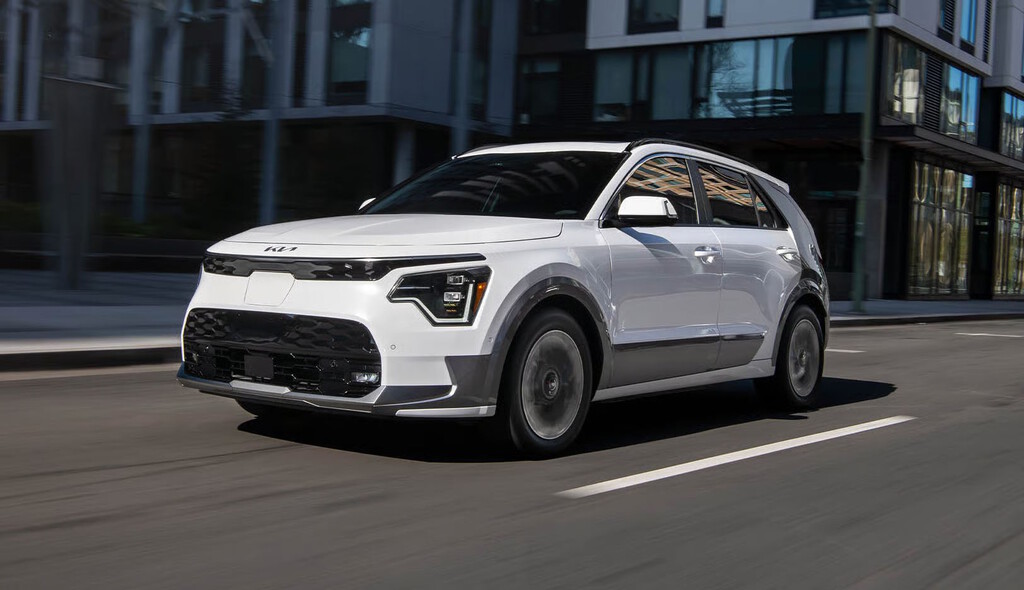
Why Utilities Are Pivoting to Integrated Services
Endesa, a major Spanish utility, exemplifies this shift. Far from limiting itself to its traditional role as a power company, it now offers packages that include efficiency advice tailored to each family's needs, facilitate the acquisition of an electric car for its customers, and even provide converged communication services through its alliance with Orange.
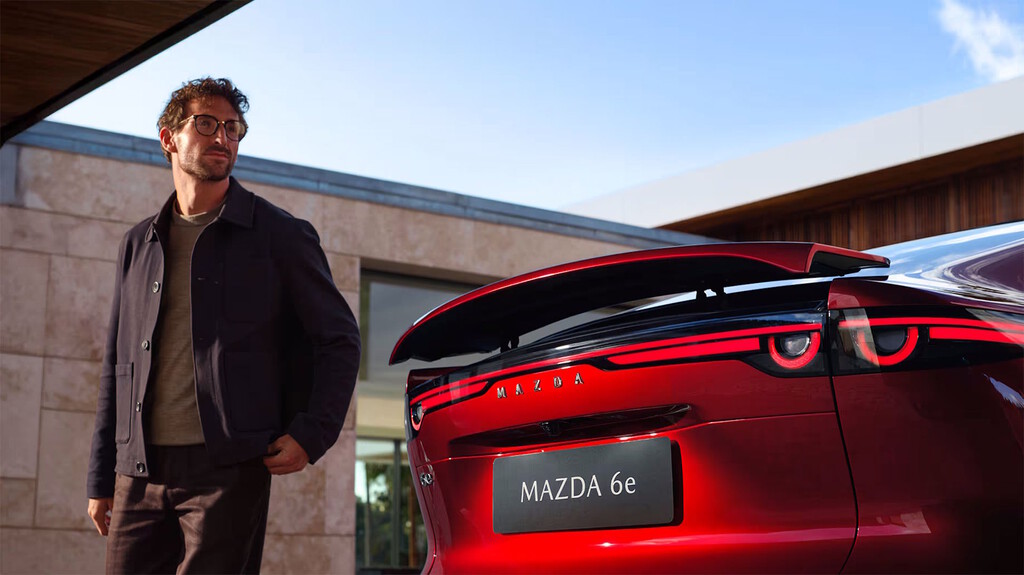
This is a tectonic change in the traditional role of electricity providers in Spain. Although one might think a utility's goal is to sell more electricity, situations like the energy crisis have pushed Endesa toward a comprehensive business model where customer retention through added value plays a key role.

How to Optimize EV Charging at Home
Optimizing home EV charging can be complex due to time-of-use electricity rates. However, with the right strategies, you can turn this challenge into an opportunity.
- Shift charging to off-peak hours when electricity is cheaper, typically overnight.
- Use a smart charger that automatically schedules charging based on tariffs and your departure time.
- Monitor your household energy use to identify other appliances that can be shifted to lower-rate periods.
- Consider a time-of-use tariff designed for EV owners, which offers lower rates during specific windows.
- Explore demand-response programs that reward you for charging when grid demand is low.
Comparing Home Charging Options
Not all home charging setups are created equal. The table below outlines key differences between standard and smart charging solutions.
| Feature | Standard Charger | Smart Charger |
|---|---|---|
| Cost | Lower upfront | Higher upfront |
| Scheduling | Manual | Automatic via app |
| Time-of-use optimization | No | Yes |
| Integration with home energy management | Limited | Advanced |
| Potential savings | Moderate | Higher |
The Financial Impact: Savings and Considerations
When managed well, the integration of EV charging into home energy use can lead to substantial savings. By charging during off-peak hours and leveraging smart technology, you can reduce your monthly electricity bill while enjoying the benefits of electric driving. The longer history behind the story is traced in Electric Car Luxury Now Means Charging Without Cost Worries.
However, it's essential to account for the upfront cost of a home charger and any electrical upgrades needed. Many utilities and governments offer incentives to offset these costs, making the transition more affordable. The background to this story is set out in Energy Department Removes 1,600 Utility Bill Saving Webpages. A related thread runs through Smart Home Energy Savings: How Does Yours Compare. Earlier coverage in Zero-Bills Home: How One Family Beats Energy Price Hikes shows how the argument developed.
The Future of Home Energy and Electric Vehicles
As more households adopt EVs, the relationship between utilities and consumers will continue to evolve. Utilities like Endesa are already positioning themselves as integrated energy service providers, offering everything from efficiency consulting to vehicle leasing and beyond. A closer look at the same subject appears in Energy Department Deletes 1,600+ Webpages on Utility Bill Savings. Anyone following the wider picture can start with Andy Burnham's Energy Plans: Public Control of Utilities and Bill. The same theme surfaces in US Record Heat Wave: How Americans Cope With Utility Bills, which takes a different angle.
This shift promises greater convenience and potential savings for consumers, but it also requires a more active role in managing home energy. The spreadsheet may grow, but with careful planning, the bottom line can shrink. Context on how this played out before sits in Swedish Design: The Blueprint for Modern Electric Vehicles. A companion piece, Electric vehicles now almost quarter of Australia's new car sales, approaches the same subject from another angle.
FAQ
How does an electric car affect my home electricity bill?
Charging an EV at home adds to your electricity consumption, but with time-of-use rates and smart charging, you can minimize the impact. By charging during off-peak hours, you may even lower your overall bill compared to gasoline costs.
What is a smart charger and why do I need one?
A smart charger connects to your home network and allows you to schedule charging sessions, often via a smartphone app. It can automatically charge when electricity rates are lowest, maximizing savings and reducing grid strain.
Can I use my existing electrical panel for EV charging?
In many cases, yes, but it depends on your home's electrical capacity. A licensed electrician should assess your panel to ensure it can handle the additional load. Upgrades may be necessary for faster charging.
What incentives are available for home EV charging?
Many governments and utilities offer rebates, tax credits, or discounted rates for installing home chargers and charging during off-peak hours. Check with your local utility and government websites for available programs.
Browse the Shop
 Acacia frida deluxe solid wood bed frame |
Bedroom bench |
Bed chest drawers |
Lingerie dresser |
Frame base |
Mirror with jewelry storage |
30 Bathroom Vanity |
Memory foam queen mattress |
Mattresses for back pain |
Nightstand set of 2 |
Grand Goldman Shop |
Civil Lawyer
Deutschland Trikot WM 2026







