

Photographing the 2026 total solar eclipse with your phone can be thrilling, but it requires caution to avoid damaging your camera's sensor. On August 12, 2026, a spectacular total solar eclipse will be visible across much of Spain, the first of three total solar eclipses in the country over the next three years. While many experts recommend simply enjoying the event with your own eyes, if you're determined to capture it, here's how to do it safely.
Why You Should Think Twice Before Photographing the Eclipse
Most experts advise against photographing the eclipse with any camera, including your phone. The event is short—totality lasts only a couple of minutes at best—and fiddling with your device means you might miss the experience entirely. Your first total solar eclipse is best enjoyed without a screen in front of your face.
Find Original Home Decor sparking conversation at Grand Goldman Shop.

However, if you're an experienced photographer or simply want a memento, you can still get great shots without harming your equipment. Just be aware of the risks and take proper precautions.
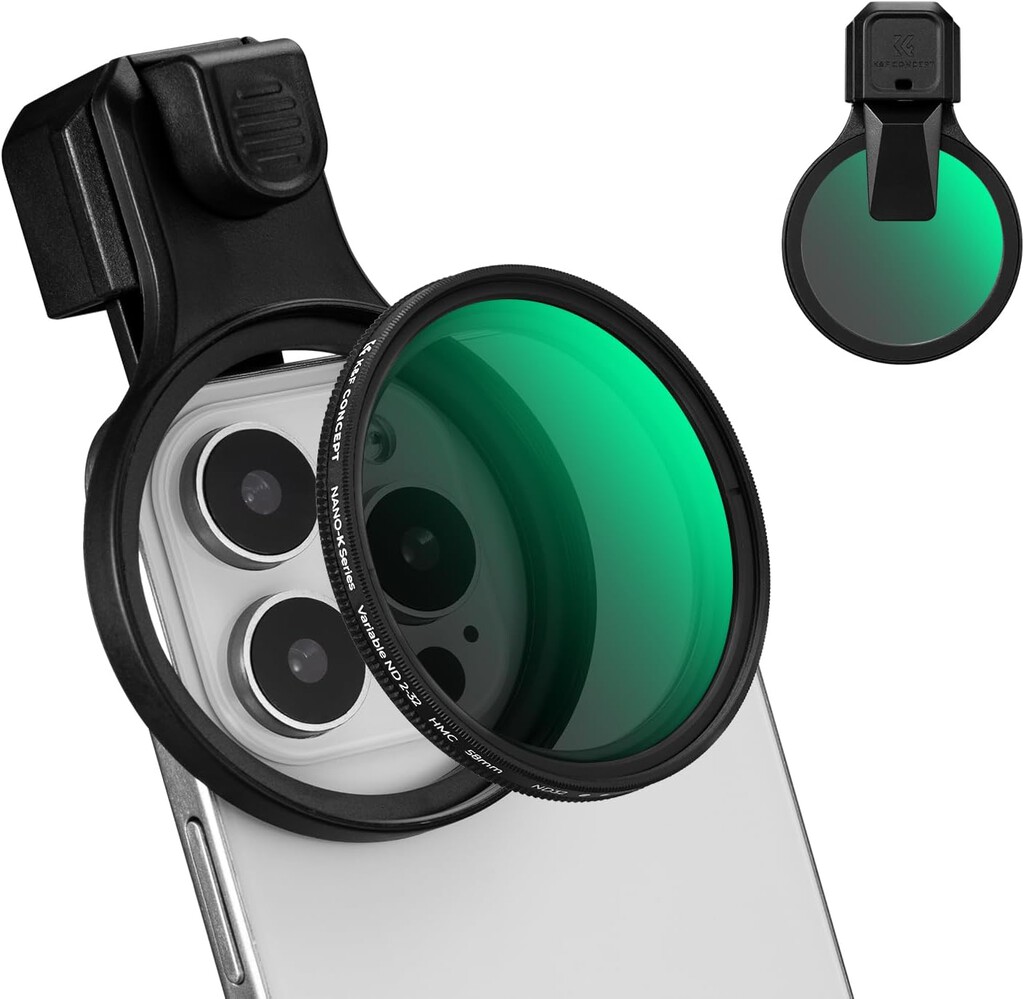
The Risks to Your Phone's Camera Sensor
Pointing your phone directly at the sun—even during a partial eclipse—can concentrate sunlight onto the sensor and cause permanent damage. The same applies to your eyes: looking directly at the sun without certified eclipse glasses is dangerous. Your phone's sensor is just as vulnerable.
During totality, when the moon completely blocks the sun, it is safe to look and photograph without a filter. But outside of those few minutes, you must use a solar filter. Never risk your sensor or your eyesight.
How to Safely Photograph the Eclipse with Your Phone
To protect your phone, you'll need a solar filter that fits over the lens. These filters are made of the same safe material as eclipse glasses and block harmful radiation. You can buy one or make a DIY filter using certified eclipse glasses—just ensure it's securely attached and doesn't slip.
During totality, remove the filter to capture the sun's corona. But as soon as totality ends, replace the filter immediately. Set your phone to manual mode if possible to control exposure, and use a tripod for stability. Avoid zooming in digitally, as it reduces quality.
Step-by-Step Guide for Safe Phone Photography
- Get certified solar filters for your phone lens—never use sunglasses or homemade filters that aren't certified.
- Practice ahead of time with the filter on to ensure it fits securely and doesn't come off accidentally.
- Use a tripod and manual settings to keep the phone steady and control exposure during the fast-changing light.
- Remove the filter only during totality and put it back immediately when the sun reappears.
- Focus on the experience—don't spend the whole eclipse staring at your screen.
Essential Gear for Eclipse Photography
Besides a solar filter, consider a tripod or phone mount to keep your device stable. A remote shutter or timer can prevent shake when you tap the screen. If you want to capture the corona's details, a clip-on telephoto lens might help, but only if it's compatible with your filter.
Remember that phone cameras have small sensors, so don't expect professional-level results. The goal is to capture a memory, not a magazine cover.
| Equipment | Purpose | Recommendation |
|---|---|---|
| Solar filter | Protects sensor from intense sunlight | Certified ISO 12312-2 filter |
| Tripod | Keeps phone stable for sharp images | Any sturdy tripod with phone mount |
| Remote shutter | Prevents camera shake | Bluetooth remote or timer |
| Telephoto lens | Magnifies the sun | Clip-on lens (optional) |
When and Where to Photograph the Eclipse
The total solar eclipse on August 12, 2026, will be visible along a path across northern Spain, including cities like A Coruña, Oviedo, and Zaragoza. Totality will last up to 1 minute and 48 seconds. Check local times and find a location with a clear view of the sky. The longer history behind the story is traced in Best ND Filters for Smartphone Solar Eclipse Photography. More on the surrounding debate is collected in Total Solar Eclipse 2026: Date, Times, Best Viewing Spots and Eye Safety.
Arrive early to set up your equipment and practice with your filter. During the partial phases, keep your filter on. Only remove it during totality, and be ready to put it back on as soon as the sun reappears. The background to this story is set out in Total Solar Eclipse 2027: Spain's Next Big Celestial Event. A related thread runs through Europe's Total Solar Eclipse 2026: Best Viewing Spots and Safety Tips. Earlier coverage in Total Solar Eclipse 2026: Why It Moved Spectators to Tears shows how the argument developed.
Protecting Your Eyes and Enjoying the Moment
Your eyes are more important than any photo. Use certified eclipse glasses during all partial phases. During totality, you can look directly at the sun safely—it's a breathtaking sight. Don't let photography distract you from the experience. A closer look at the same subject appears in Total Solar Eclipse Photography: Essential Gear for Your Camera Bag. Anyone following the wider picture can start with August 2027 Total Solar Eclipse in Spain: Viewing Guide. The same theme surfaces in Total Solar Eclipse 2026: Spanish Village Prepares for, which takes a different angle.
If you're new to eclipse photography, consider leaving the phone in your pocket and simply watching. The memory of your first total solar eclipse will last far longer than a shaky phone video. Context on how this played out before sits in Total Solar Eclipse 2026: Best Viewing Spots in Spain. A companion piece, Total Solar Eclipse 2026: Best Views in Spain Attract Millions, approaches the same subject from another angle.
FAQ
Can I photograph the solar eclipse with my phone without a filter?
No, never point your phone directly at the sun without a certified solar filter, except during totality. Doing so can damage your camera sensor instantly. Always use a filter during partial phases.
How long does totality last during the 2026 eclipse?
Totality will last up to 1 minute and 48 seconds, depending on your location along the path. Check local predictions for your exact viewing spot.
What is the safest way to photograph the eclipse with a phone?
Use a certified solar filter over the lens, practice beforehand, and use a tripod. Remove the filter only during totality and replace it immediately after.
Can I use eclipse glasses as a filter for my phone?
You can use certified eclipse glasses to make a DIY filter, but ensure it's securely attached and covers the lens completely. Never use uncertified materials.
Browse the Shop
 Acacia frida deluxe solid wood bed frame |
Bedroom bench |
Bed chest drawers |
Lingerie dresser |
Frame base |
Mirror with jewelry storage |
30 Bathroom Vanity |
Memory foam queen mattress |
Mattresses for back pain |
Nightstand set of 2 |
Grand Goldman Shop |
Civil Lawyer
Deutschland Trikot WM 2026







