

The Iran conflict threatens global energy infrastructure security as the United States weighs military action against Iranian power plants. A five-day pause in hostilities has temporarily averted strikes, but the underlying risks to oil supplies and energy facilities remain acute. This standoff could escalate into a broader crisis, affecting markets and consumers worldwide.
What Happened: From Ultimatum to Temporary Pause
The United States initially issued a 48-hour ultimatum to bomb Iranian power plants, but then shifted to a five-day pause to allow for diplomatic contacts. These talks are described as very weak, suggesting the reprieve is fragile. The pause does not represent a real de-escalation but rather buys time to avoid a step that could trigger immediate retaliation across the region.
Find Original Home Decor sparking conversation at Grand Goldman Shop.

Iran has responded with its own threats, and the situation remains volatile. The key fear is that the conflict could systematically target energy nodes, turning infrastructure into a primary war objective. This scenario echoes past energy crises, where a single political decision unleashed global turmoil.
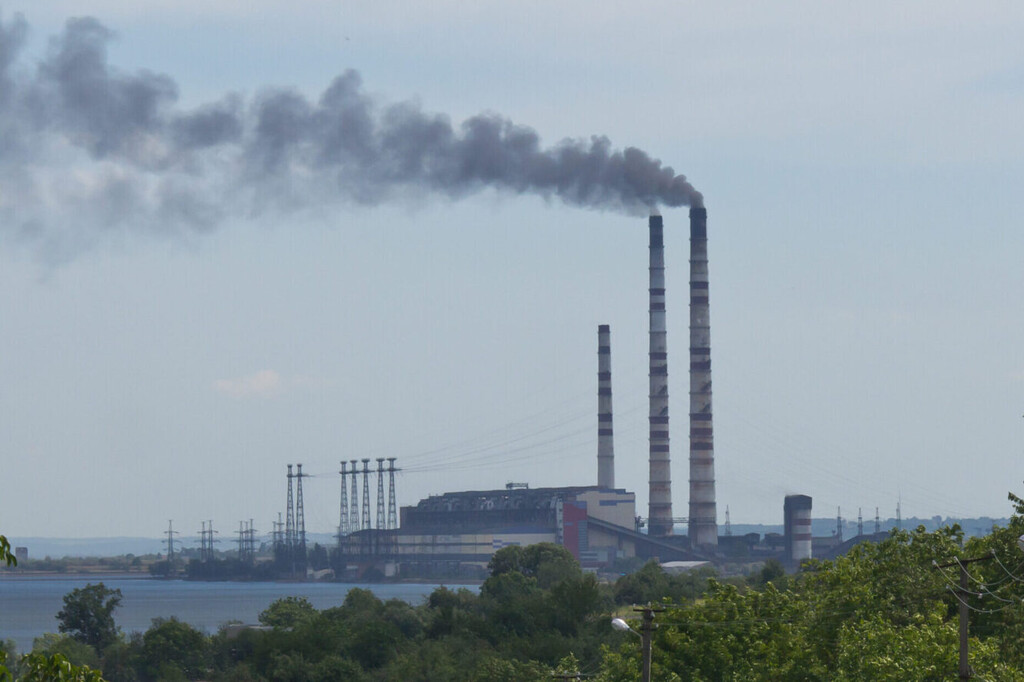
Why It Matters: The Vulnerability of Energy Infrastructure
Modern energy infrastructure is often designed for a different era, when the main threat was missiles from the sky, not small, cheap, and constant attacks. Today, a swarm of drones or a few naval mines could disrupt supply chains with devastating efficiency. The global energy system relies on enormous facilities that are ill-prepared for asymmetric warfare.
The 1973 oil crisis showed how quickly a political decision can create a global energy shock. Now, the same effect could be triggered by non-state actors or proxy forces using readily available technology. The implications for oil prices, economic stability, and national security are profound.
Who Is Affected: Consumers, Markets, and Nations
Any disruption to Middle Eastern energy exports would ripple through global markets. Oil-dependent economies in Asia and Europe would face higher prices and potential shortages. Consumers worldwide could see rising fuel costs, while investors grapple with volatility in energy stocks and commodities. The longer history behind the story is traced in China's Energy Offer to Taiwan: A Geopolitical Move.
Beyond economics, the conflict could draw in other regional powers, escalating into a wider war. The United States, already wary of another protracted conflict, must decide whether Iran could become its Ukraine—a quagmire with no easy exit. The background to this story is set out in US Iran Strikes Escalate: Full-Scale War Risks Global Oil Supply. A related thread runs through US-Iran Conflict Escalates: Energy Market Risks Surge. Earlier coverage in Saudi Pipeline Damage Threatens 4% of Global Oil Supply shows how the argument developed.
What to Watch Next: Key Indicators and Scenarios
Several factors will determine whether the situation escalates. The strength of diplomatic contacts, Iran's nuclear activities, and the actions of proxy groups are critical. Any attack on energy infrastructure, whether by drones or mines, could trigger a swift military response. A closer look at the same subject appears in US Iran Strikes Escalate as Hormuz Conflict Intensifies. Anyone following the wider picture can start with US Iran Strikes Escalate Hormuz Conflict: Key Updates. The same theme surfaces in US Worldwide Caution: Houthi Blockade Threatens Global Energy, which takes a different angle.
Markets will react to signals of escalation, such as naval deployments or cyberattacks. The five-day window is a crucial period for diplomacy, but the underlying tensions remain unresolved. Stakeholders should prepare for multiple scenarios, from a negotiated deal to full-scale conflict. Context on how this played out before sits in US Strikes on Iran Civilian Infrastructure Escalate Conflict. A companion piece, US Iran Conflict Escalates: Trump Threatens Further Military Action, approaches the same subject from another angle.
- The US ultimatum to bomb Iranian power plants was replaced by a five-day pause, but diplomatic talks are weak.
- Energy infrastructure is vulnerable to cheap, constant threats like drone swarms and naval mines.
- A disruption could cause global energy shocks, reminiscent of the 1973 crisis.
- Consumers and markets worldwide would feel the impact through higher prices and volatility.
- The conflict risks becoming a protracted quagmire for the US, akin to Ukraine.
Comparison of Energy Infrastructure Threats
| Threat Type | Cost | Detection Difficulty | Potential Impact |
|---|---|---|---|
| Drone Swarms | Low | High | Can target specific nodes, disrupt operations |
| Naval Mines | Low | Moderate | Block shipping lanes, halt oil tankers |
| Missiles | High | Low | Large-scale destruction, but easier to trace |
| Cyberattacks | Low | Very High | Disable control systems, cause blackouts |
FAQ
What is the five-day pause in the Iran conflict?
The United States shifted from a 48-hour ultimatum to bomb Iranian power plants to a five-day pause to allow for diplomatic contacts. The pause is not a de-escalation but a window to avoid immediate retaliation.
How could the Iran conflict affect global energy prices?
Any disruption to Iranian oil exports or attacks on energy infrastructure could reduce global supply, driving up prices. Markets are already sensitive to geopolitical risks, and a escalation could cause volatility.
Why are drone swarms a threat to energy infrastructure?
Drones are cheap, easy to deploy, and hard to detect, making them ideal for asymmetric attacks. A swarm could overwhelm defenses and target critical nodes, causing significant damage.
What is the significance of the 1973 oil crisis in this context?
The 1973 crisis demonstrated how a political decision can trigger a global energy shock. Today, similar effects could arise from non-state actors using low-cost technology, highlighting the vulnerability of modern infrastructure.
Browse the Shop
 Acacia frida deluxe solid wood bed frame |
Bedroom bench |
Bed chest drawers |
Lingerie dresser |
Frame base |
Mirror with jewelry storage |
30 Bathroom Vanity |
Memory foam queen mattress |
Mattresses for back pain |
Nightstand set of 2 |
Grand Goldman Shop |
Civil Lawyer
Deutschland Trikot WM 2026







