

Japan and Russia have never signed a formal peace treaty to end World War II, and the primary reason is a dispute over four islands. More than 80 years after the war ended, the two countries remain locked in a diplomatic anomaly that few other nations share.
Diplomatic relations were restored in 1956, but the peace treaty that was supposed to close that chapter has never materialized. The obstacle is a small group of territories controlled by Russia and claimed by Japan: the four islands known in Japan as the Northern Territories and in Russia as the southern Kurils.
Find Original Home Decor sparking conversation at Grand Goldman Shop.

The conflict seemed destined to fade with the generations, until Russian President Vladimir Putin decided this summer to do something he had not done in his 25 years in power.
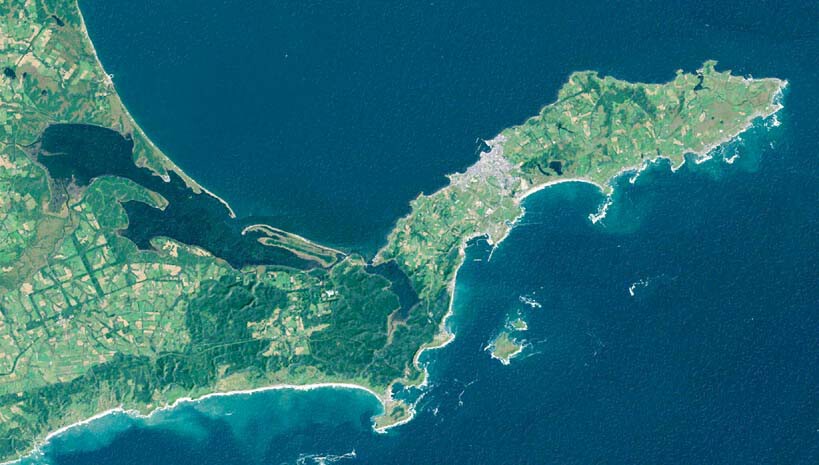
What Happened: The Roots of the Dispute
The dispute dates back to the final weeks of 1945. The Soviet Union declared war on Japan and its troops occupied the islands around the time of Japan's surrender, later incorporating them into Soviet territory.
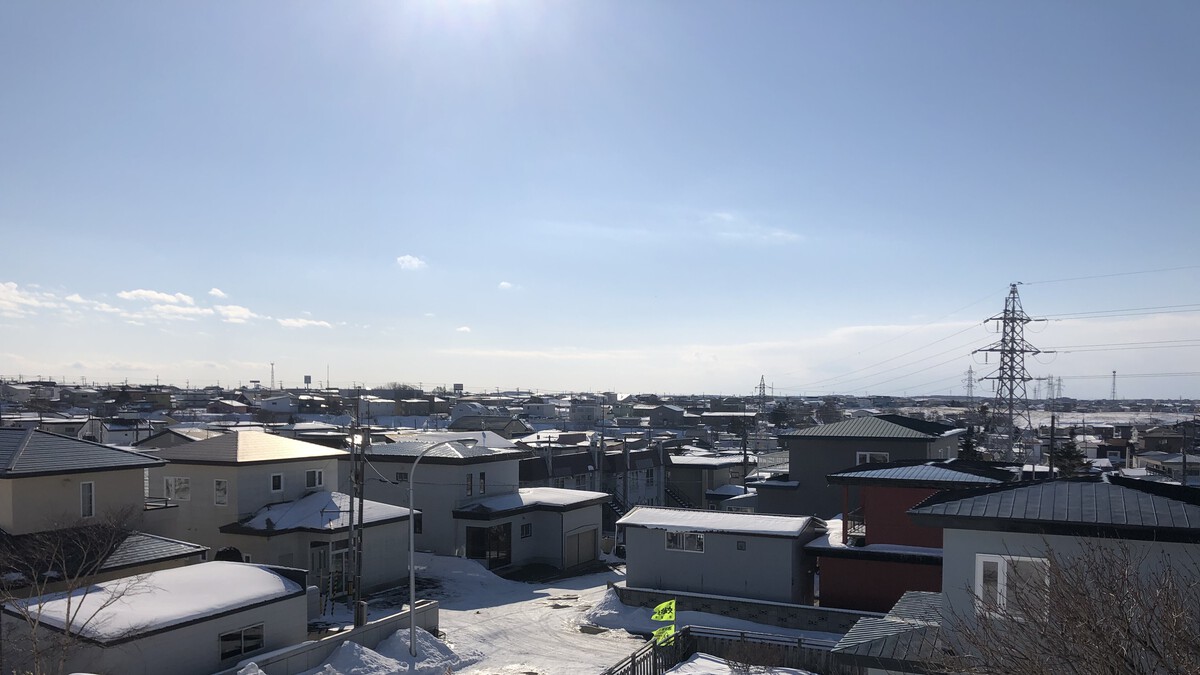
At the time, around 17,000 Japanese lived on the islands, with dozens of schools and communities dedicated mainly to fishing. Some fled, and most of those who stayed were eventually expelled as new Soviet residents arrived.
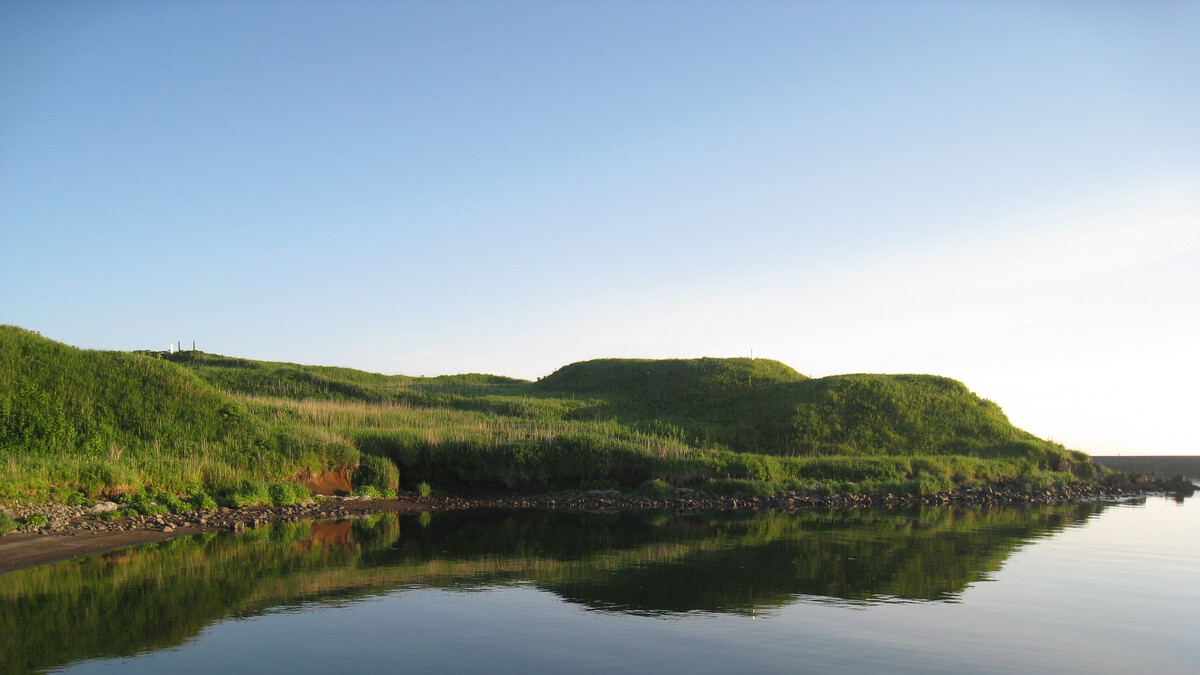
Tokyo considers the four islands to be its Northern Territories and has never accepted their incorporation into the USSR. Moscow maintains that the southern Kurils legitimately passed to Soviet sovereignty as a result of World War II.
That territorial incompatibility has blocked a peace treaty for decades, making it one of the longest-running unresolved disputes in international relations.
Why It Matters: A Diplomatic Anomaly
The absence of a peace treaty between two major powers is more than a historical footnote. It affects bilateral relations, economic cooperation, and regional security in the Asia-Pacific.
For Japan, the return of the islands is a matter of national identity and sovereignty. For Russia, the islands are a strategic asset in the Pacific and a symbol of its victory in World War II.
The dispute has also complicated energy and trade ties, and it remains a sensitive topic in both countries' domestic politics.
Putin's recent move, whatever its outcome, signals that the issue is not fading away. It may open a new chapter in a relationship that has been frozen for decades.
Who Is Affected: Beyond the Two Capitals
The dispute directly affects the former residents of the islands and their descendants, many of whom still live in Japan and maintain emotional ties to their ancestral homeland.
It also affects the current inhabitants of the islands, most of whom are Russian citizens, and the local economies that depend on fishing and other activities.
On a broader scale, the unresolved treaty impacts regional stability and the diplomatic landscape of Northeast Asia, where Japan, Russia, China, and the Koreas interact.
Businesses and investors in both countries have long faced uncertainty due to the lack of a formal peace framework, which has hindered large-scale cooperation.
- The peace treaty has been blocked for decades by the four-island dispute.
- Japan calls the islands the Northern Territories; Russia calls them the southern Kurils.
- The Soviet Union occupied the islands in 1945, expelling Japanese residents.
- Diplomatic relations were restored in 1956, but no peace treaty followed.
- Putin's recent action marks the first such move in his 25 years in power.
What to Watch Next: Putin's Move and Its Implications
Putin's decision this summer to address the issue for the first time in his long tenure has raised questions about Moscow's intentions. It could be a signal of willingness to negotiate or a tactical maneuver to assert control.
Observers are watching for any signs of a breakthrough, but the fundamental positions of both sides remain far apart. Japan insists on the return of all four islands, while Russia has shown no inclination to cede territory. The background to this story is set out in Japan Condemns Putin's Disputed Kuril Islands Visit. A related thread runs through Kuril Islands Dispute: Putin's Visit Reignites Japan-Russia Tension. Earlier coverage in Here Is The Reason Why Most Cats Have Green Eyes shows how the argument developed.
Any change in the status quo would require significant political will on both sides and could reshape the geopolitical balance in the region. A closer look at the same subject appears in Trending: latest articles. Anyone following the wider picture can start with Ukraine's Drone Experts Deploy to Mali and Sudan, Shifting War Front. The same theme surfaces in Svalbard: The Arctic Islands Where Russia Tests NATO's Article, which takes a different angle.
The coming months will reveal whether Putin's move is a genuine opening or merely a symbolic gesture. Either way, the world will be watching a dispute that has defied resolution for more than eight decades. Context on how this played out before sits in Russia's 500-Ton Carbon Fiber Weapon to Overwhelm Ukraine.
| Aspect | Japan's Position | Russia's Position |
|---|---|---|
| Name of islands | Northern Territories | Southern Kurils |
| Sovereignty claim | Inherent part of Japan | Legitimately acquired after WWII |
| Peace treaty | Conditional on return of islands | No territorial concessions |
| Diplomatic relations | Restored in 1956 | Restored in 1956 |
FAQ
Why haven't Japan and Russia signed a peace treaty?
The main obstacle is the dispute over four islands that the Soviet Union occupied in 1945. Japan claims them as its Northern Territories, while Russia considers them part of its territory. This disagreement has prevented a formal peace treaty since World War II.
What are the Northern Territories?
The Northern Territories are four islands off the coast of Hokkaido that Japan claims as its own. They are known in Russia as the southern Kurils. The islands were occupied by Soviet troops in the final days of World War II.
What did Putin do this summer?
According to the source, Putin took an action related to the dispute for the first time in his 25 years in power. The exact nature of the move is not specified, but it signals a potential shift in Russia's approach to the long-standing issue.
How many people lived on the islands before 1945?
Around 17,000 Japanese lived on the islands before the Soviet occupation, with dozens of schools and communities primarily engaged in fishing. Most were later expelled as Soviet residents moved in.
Browse the Shop
 Acacia frida deluxe solid wood bed frame |
Bedroom bench |
Bed chest drawers |
Lingerie dresser |
Frame base |
Mirror with jewelry storage |
30 Bathroom Vanity |
Memory foam queen mattress |
Mattresses for back pain |
Nightstand set of 2 |
Grand Goldman Shop |
Civil Lawyer
Deutschland Trikot WM 2026







