

In 1581, King Philip II of Spain proposed one of the most ambitious infrastructure projects in Spanish history: a navigable canal connecting Madrid directly to the Atlantic Ocean. The idea, though seemingly far-fetched, gained traction as a solution to the kingdom's pressing transport problems.
The Challenges of Transporting Treasure to Madrid
At the end of the 16th century, Spain was receiving vast shipments of precious metals, spices, and timber from the Americas. These goods arrived at southern ports but then faced a grueling journey to the court in Madrid.
Find Original Home Decor sparking conversation at Grand Goldman Shop.

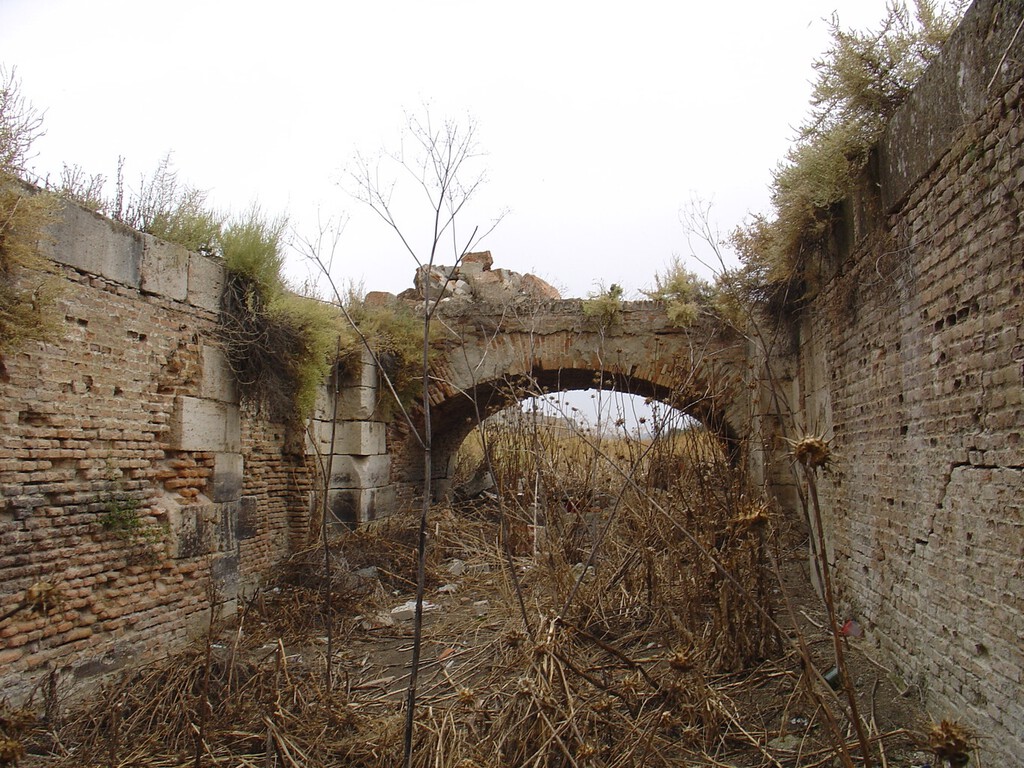
The overland route was fraught with difficulties: poorly maintained roads that turned to mud with rain, and the constant threat of bandits in the Sierra Morena. These hazards made transport expensive and risky, adding to the cost of goods.
Philip II's Inspiration from Flanders
Philip II had observed the efficiency of river transport in Flanders, where locks and canals facilitated the movement of goods. He concluded that similar systems could be implemented in the Iberian Peninsula.
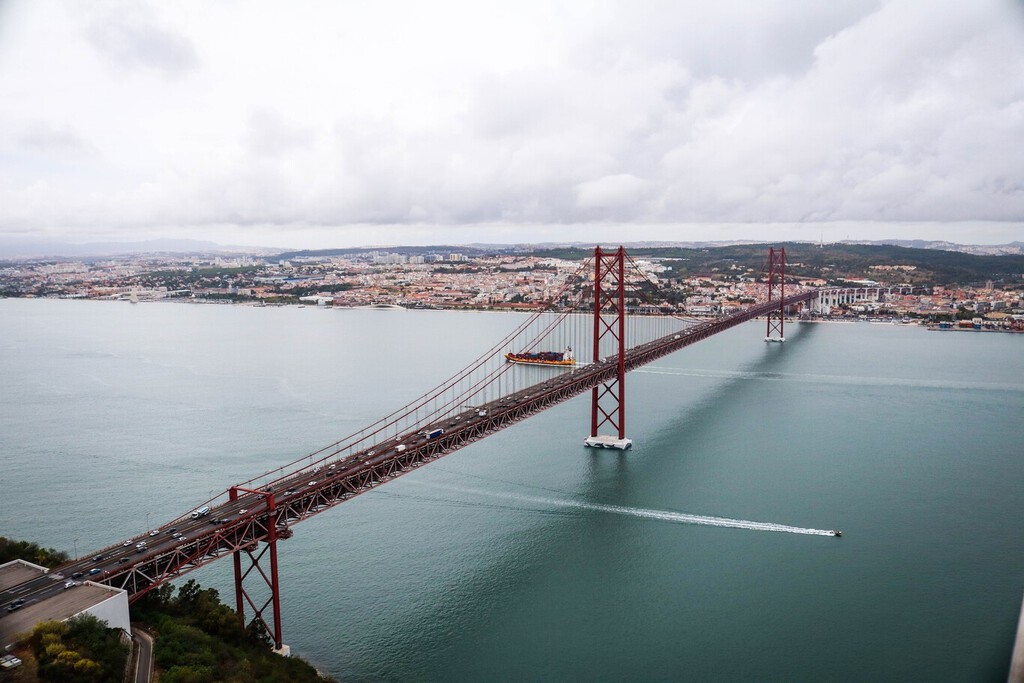
In the 16th century, there were no dams to obstruct navigation, and river flows were favorable. Crucially, Portugal was under Spanish rule, which meant that Portuguese rivers and ports could be leveraged for the project.
The Proposed Route: From Madrid to Lisbon
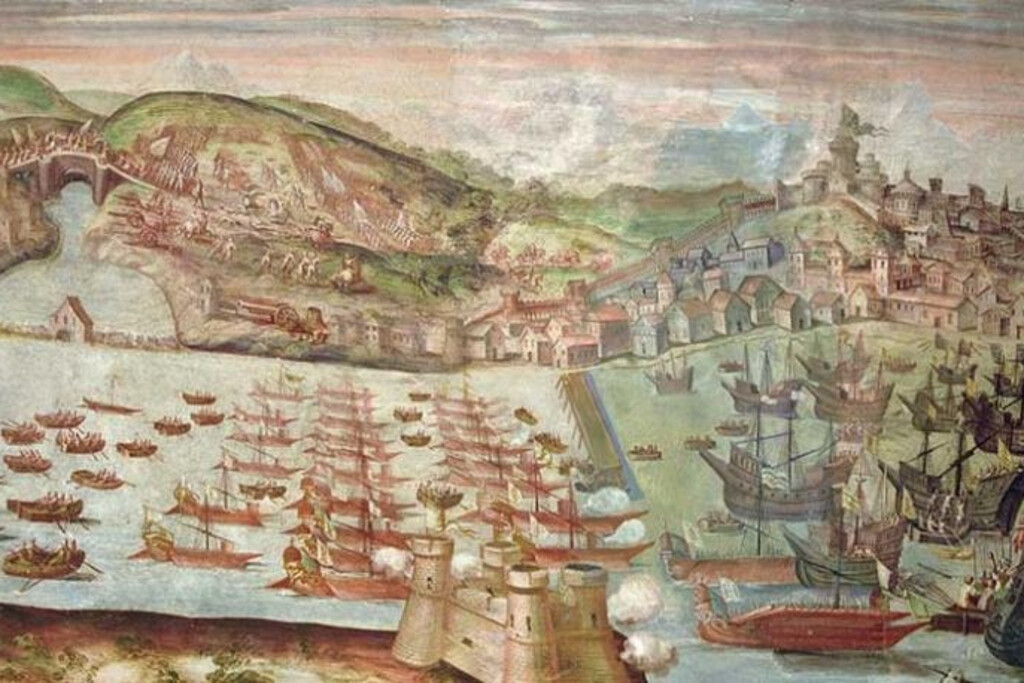
The plan involved linking the Tagus and Douro rivers via a canal, creating a waterway from Madrid to the Atlantic port of Lisbon. This would allow ships to bypass the treacherous overland journey and reduce costs significantly.
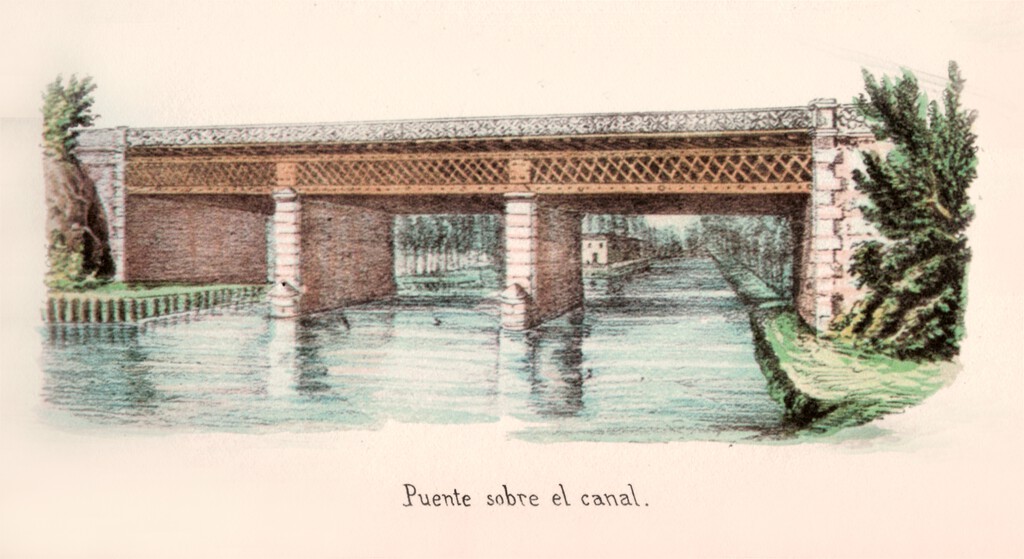
The canal would need to overcome significant geographical obstacles, including the Central System mountain range. Despite these challenges, the potential benefits—faster, safer, and cheaper transport—made the idea attractive.
Engineering and Logistical Hurdles
The project faced immense engineering challenges. The proposed canal would require extensive excavation, locks, and water management systems far beyond the technological capabilities of the time.
Additionally, the cost of such a massive undertaking would have been astronomical, straining the royal treasury. The project also faced political and bureaucratic hurdles, including opposition from landowners and local authorities.
Why the Canal Was Never Built
Despite initial enthusiasm, the canal was never realized. The death of Philip II in 1598 and the subsequent focus on other priorities, such as the Dutch Revolt and economic troubles, diverted attention and resources away from the project. The longer history behind the story is traced in Philip II's 1581 Plan to Connect Madrid to the Atlantic. More on the surrounding debate is collected in Tibi Dam: Europe's Oldest Reservoir Built for Philip II in 1580.
Furthermore, the technological limitations of the era made the canal impractical. It wasn't until the 18th century that similar projects, like the Canal de Castilla, were attempted with more success. The background to this story is set out in Space Junk Solution: $200,000 Satellite Deposit Proposed by Scientists. A related thread runs through Catalonia's Copper Theft Crisis: Criminal Code Reform Proposed. Earlier coverage in Giant Tunnel Proposed to End Windermere Sewage Discharges shows how the argument developed.
Legacy and Lessons
Philip II's canal idea reflects the ambitious spirit of Spanish infrastructure planning during the Golden Age. It also highlights the importance of waterways for economic development and the challenges of connecting inland capitals to the sea. A closer look at the same subject appears in Datacentre Grid Fees Proposed by Ofgem to Cut Connection Queue. Anyone following the wider picture can start with China's Three Gorges Dam Ship Elevator: How the Yangtze Became Navigable. The same theme surfaces in Trending: latest articles, which takes a different angle.
Today, the idea of a Madrid-Atlantic canal remains a fascinating what-if in Spanish history, a testament to the visionary—if impractical—thinking of Philip II. Context on how this played out before sits in Soviet 227 km Canal Built in 20 Months: Too Shallow for Warships. A companion piece, Franco Memorabilia Auction at Pazo de Meirás Sparks Controversy, approaches the same subject from another angle.
- Philip II proposed a canal to connect Madrid to the Atlantic in 1581.
- The goal was to ease the transport of American treasures to the capital.
- The plan was inspired by Flemish canal systems.
- Engineering and financial challenges ultimately prevented its construction.
- The project highlights the importance of infrastructure for economic growth.
| Aspect | Details |
|---|---|
| Year Proposed | 1581 |
| King | Philip II of Spain |
| Purpose | Connect Madrid to Atlantic for trade |
| Key Challenge | Central System mountains |
| Outcome | Never built |
FAQ
Why did Philip II want to build a canal from Madrid to the Atlantic?
Philip II wanted to simplify and secure the transport of valuable goods from the Americas to Madrid. The overland route was costly and dangerous, so a canal would provide a safer, cheaper alternative.
What prevented the canal from being built?
The project faced insurmountable engineering challenges, including the need to cross mountain ranges, and lacked the necessary technology. Financial constraints and shifting royal priorities also played a role.
Was there any precedent for such a canal in Spain?
There were no large-scale canals in Spain at the time, but Philip II was inspired by the canal systems he had seen in Flanders, which used locks to facilitate river transport.
What was the proposed route of the canal?
The canal was to link the Tagus and Douro rivers, creating a waterway from Madrid to the Atlantic port of Lisbon. This would have required extensive engineering works, including locks and possibly tunnels.
Browse the Shop
 Acacia frida deluxe solid wood bed frame |
Bedroom bench |
Bed chest drawers |
Lingerie dresser |
Frame base |
Mirror with jewelry storage |
30 Bathroom Vanity |
Memory foam queen mattress |
Mattresses for back pain |
Nightstand set of 2 |
Grand Goldman Shop |
Civil Lawyer
Deutschland Trikot WM 2026







