

Prague's housing crisis solution is drawing attention as the Czech capital confronts soaring property prices and a persistent mismatch between supply and demand. Like many European cities, Prague faces a structural housing shortage that has pushed affordability to the brink, but its innovative approach may offer a blueprint for others.
Understanding Prague's Housing Crisis
Prague's housing market has been under immense pressure. In 2025, the cost per square meter in the Czech Republic rose by 10.4%, mirroring trends seen in London, Paris, Berlin, and Lisbon. The European Commission's latest report on the Czech Republic highlights a "persistent mismatch between strong housing demand and limited supply," which is driving prices up and making housing increasingly unaffordable.
Find Original Home Decor sparking conversation at Grand Goldman Shop.

This crisis is not just a local issue; it has broader economic implications. The Commission warns that the housing squeeze is reducing labor mobility, as workers struggle to find affordable homes near their jobs. In Prague, the problem is particularly acute, affecting both sales and rental prices.
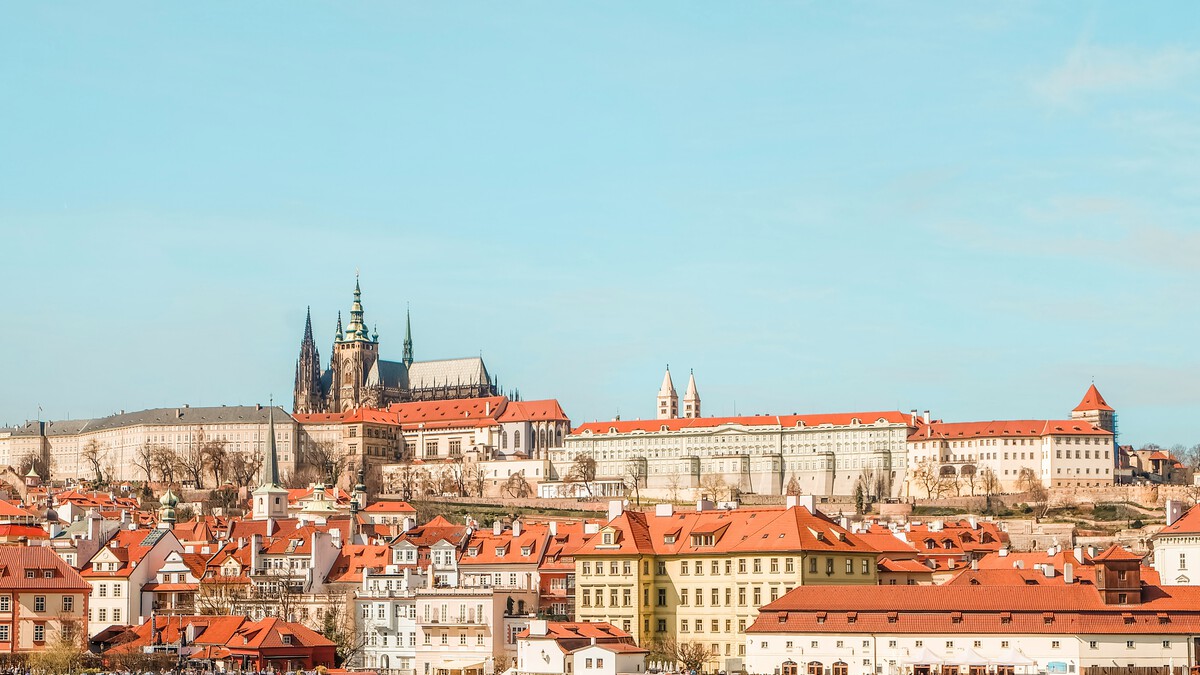
Prague's Innovative Plan to Tackle the Crisis
Instead of expanding the city's footprint or building high-rises, Prague has devised a formula to ease the structural imbalance. The plan focuses on optimizing existing urban space and increasing the supply of affordable housing through targeted measures.
Key elements of the strategy include converting underused commercial properties into residential units, streamlining permitting processes for new developments, and incentivizing private developers to include affordable housing in their projects. The city is also exploring partnerships with housing cooperatives to create long-term affordable options.
Converting Underused Spaces
One of the cornerstones of Prague's approach is the adaptive reuse of buildings. Many commercial and industrial spaces lie vacant or underutilized, and the city is making it easier to convert these into apartments. This not only increases housing supply but also revitalizes neighborhoods without the need for new construction on greenfield sites.
Streamlining Permitting
Bureaucratic delays have long been a barrier to new housing in many European cities. Prague is cutting red tape by digitizing permit applications and setting strict timelines for approvals. This reduces costs for developers and accelerates project delivery, helping to bring more units to market faster.
Incentivizing Affordable Housing
To ensure that new supply is accessible to middle- and low-income residents, Prague offers incentives such as tax breaks and density bonuses to developers who include affordable units in their projects. This approach leverages private investment while safeguarding public interests.
Why This Matters for Other European Cities
Prague's strategy is notable because it avoids the pitfalls of urban sprawl and high-rise development, which can be controversial and environmentally damaging. By focusing on efficiency and existing resources, the city is demonstrating that it's possible to increase housing supply without radically altering the urban fabric. The longer history behind the story is traced in Europe's Housing Crisis Brings Back Company Towns for Workers.
Other cities facing similar crises can learn from Prague's emphasis on adaptive reuse, streamlined processes, and public-private collaboration. These measures are scalable and can be tailored to local contexts, making them a viable alternative to more disruptive solutions. The background to this story is set out in Housing Affordability Fix: Why Falling Prices Are Finally Working. A related thread runs through Falling House Prices: Young Homeowners Welcome Affordability Shift. Earlier coverage in Australia Housing Market: High-End Property Falls, Affordable shows how the argument developed.
Challenges and What to Watch Next
Despite its promise, Prague's plan faces hurdles. Converting commercial buildings to residential use can be costly and complex, requiring upgrades to meet housing standards. Moreover, incentivizing affordable housing may strain public budgets if not carefully managed. A closer look at the same subject appears in Australia Housing Market Crash Risk: Can Affordability Be. Anyone following the wider picture can start with Affordable Housing Rules Relaxation Dropped by Ministers. The same theme surfaces in UK House Prices Flat in July as Buyers Face Affordability Squeeze, which takes a different angle.
Looking ahead, the success of Prague's approach will depend on sustained political commitment and effective implementation. If successful, it could serve as a model for other European cities grappling with housing affordability. The coming years will reveal whether this balanced strategy can deliver the needed supply without sacrificing urban quality. Context on how this played out before sits in Heat Killed 50,000 in Europe's Cities, Climate Change Blamed. A companion piece, Ministers Drop Affordable Housing Rule Changes After Backlash, approaches the same subject from another angle.
Key Takeaways
- Prague's housing crisis mirrors trends across Europe, with prices rising 10.4% in 2025.
- The city's plan focuses on converting underused spaces, streamlining permits, and incentivizing affordable housing.
- This approach avoids urban sprawl and high-rises, offering a sustainable alternative.
- Other cities can adapt these measures to their local contexts.
- Challenges include conversion costs and budget constraints, but the model holds promise.
Comparison of Housing Strategies
| Strategy | Prague's Approach | Traditional Approach |
|---|---|---|
| Supply expansion | Adaptive reuse of existing buildings | New construction on greenfield sites |
| Permitting | Streamlined and digitized | Often slow and bureaucratic |
| Affordability | Incentives for developers | Reliance on market forces |
| Urban impact | Minimal footprint | Potential sprawl or high-rises |
FAQ
What is Prague's housing crisis solution?
Prague's solution involves converting underused commercial spaces into housing, streamlining permitting processes, and incentivizing affordable housing development. It aims to increase supply without expanding the city or building high-rises.
Why is Prague's approach considered innovative?
It avoids controversial urban sprawl and high-rise development by focusing on efficiency and existing resources. This makes it a sustainable model that other cities can adapt.
How does Prague's plan affect affordability?
By increasing supply and incentivizing affordable units, the plan aims to ease price pressures and improve accessibility for residents. However, success depends on effective implementation and sustained funding.
What challenges does Prague face in implementing this plan?
Challenges include the high cost of converting commercial buildings and the need for careful budget management to sustain incentives. Political commitment and administrative efficiency are also crucial.
Browse the Shop
 Acacia frida deluxe solid wood bed frame |
Bedroom bench |
Bed chest drawers |
Lingerie dresser |
Frame base |
Mirror with jewelry storage |
30 Bathroom Vanity |
Memory foam queen mattress |
Mattresses for back pain |
Nightstand set of 2 |
Grand Goldman Shop |
Civil Lawyer
Deutschland Trikot WM 2026







