

Silicon-carbon batteries are no longer a theoretical concept or a thing of the future: they have arrived to stay. For now, it is Chinese manufacturers that are betting on this technology, but it is normal that we will soon see phones of all types with these batteries. And the most striking thing is that this technology is not reserved only for the high-end: there are options for less than 400 euros. Let's first see what this technology consists of and what differences there are with lithium-ion batteries.
Although many aspects come into play, as a general rule, the higher the battery capacity, the greater the autonomy of a device. The "problem" is that the batteries that phones (and other devices) have been using until now, lithium-ion, use graphite anodes, which have already reached their energy density ceiling. In other words: for one of these batteries to have more capacity, it has to be larger. And that causes the device using it to become a brick.
Find Original Home Decor sparking conversation at Grand Goldman Shop.

That is why silicon-carbon is so important. These batteries, which use this material in the anode instead of graphite, can store much more energy without the need for the battery to increase in size. That allows us to have phones with a thickness of less than 8 millimeters with batteries that exceed 6,000 mAh. Just a year ago it was unthinkable; today it is beginning to be an accessible reality.
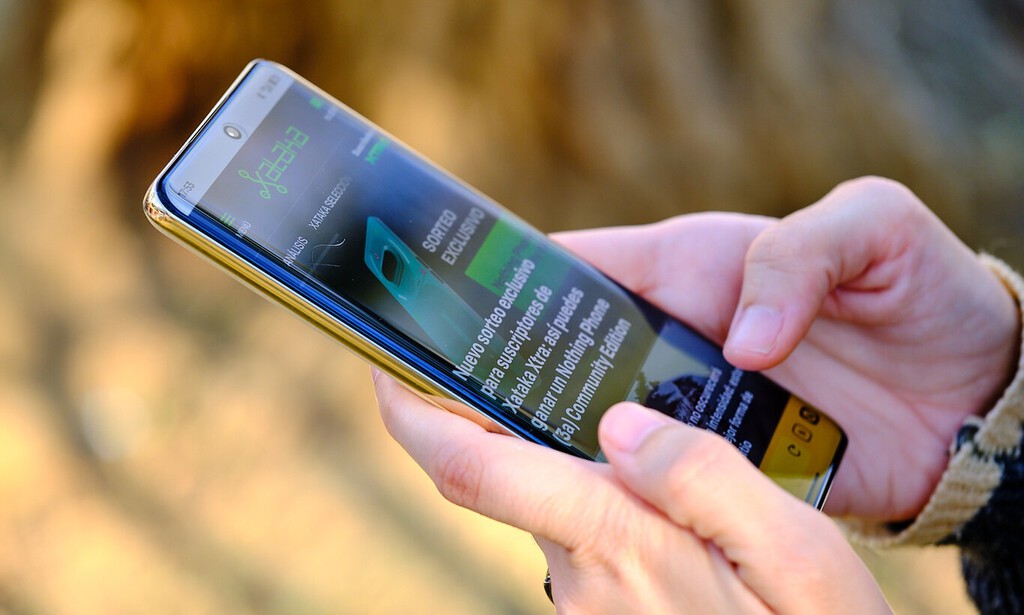
What Are Silicon-Carbon Batteries and Why Do They Matter?
Silicon-carbon batteries replace the graphite anode found in traditional lithium-ion batteries with a silicon-carbon composite. Silicon has a much higher theoretical capacity for storing lithium ions than graphite, allowing more energy to be packed into the same physical space. The carbon component helps mitigate silicon's tendency to expand during charging, improving cycle life and stability.
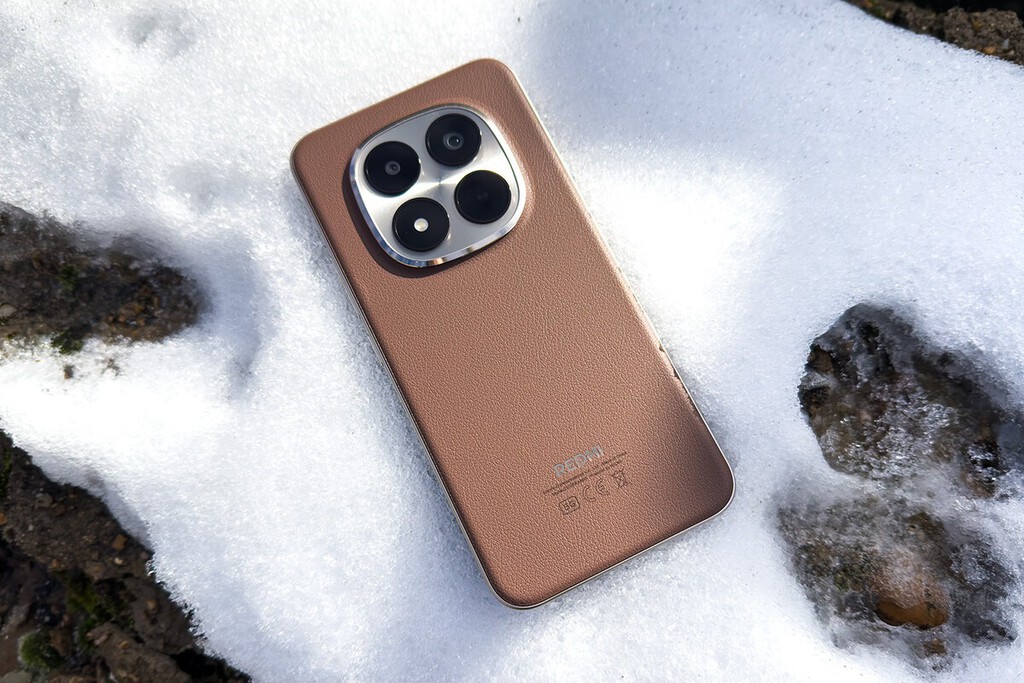
This breakthrough means manufacturers can increase battery capacity without increasing the physical size of the phone. For consumers, that translates to longer battery life without sacrificing sleek designs or portability. It also opens the door to thinner devices that still offer multi-day endurance.
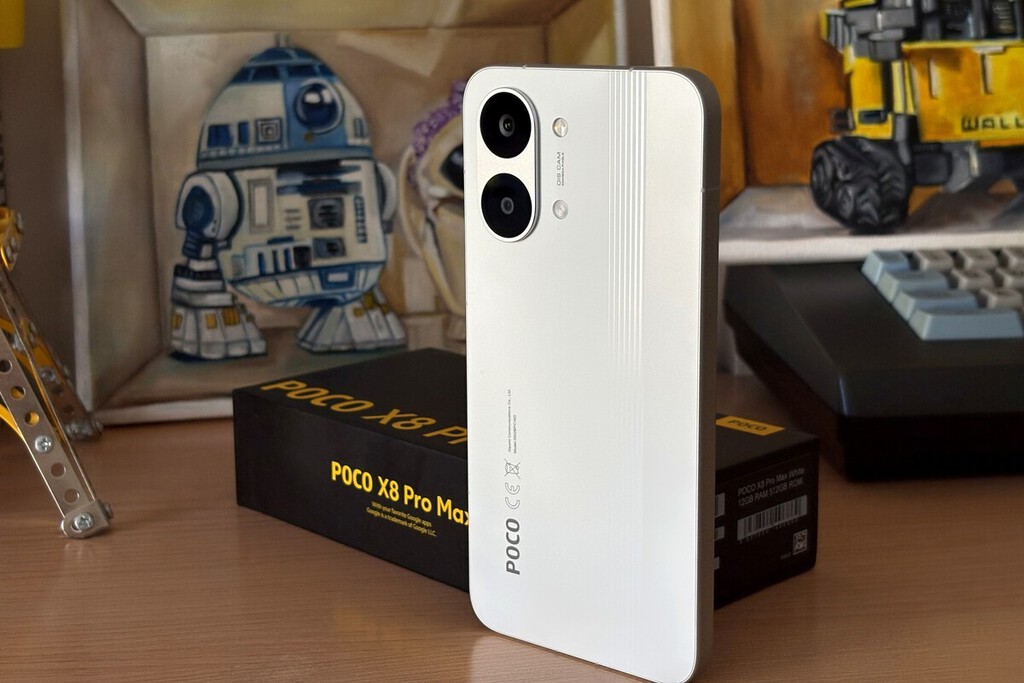
How Silicon-Carbon Compares to Lithium-Ion
Traditional lithium-ion batteries with graphite anodes have been the standard for decades, but their energy density has plateaued. To get more capacity, you need a bigger battery, which makes phones thicker and heavier. Silicon-carbon anodes, on the other hand, can store significantly more energy per gram, enabling higher capacities in the same or even smaller footprint.
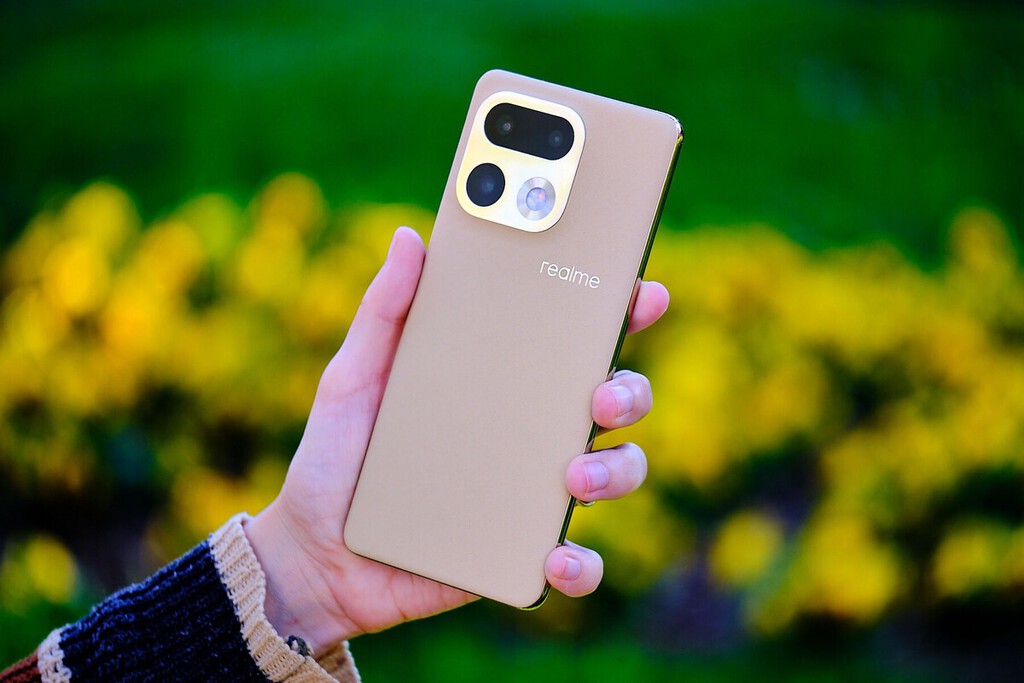
The table below summarizes the key differences between the two technologies.
| Feature | Lithium-Ion (Graphite Anode) | Silicon-Carbon Anode |
|---|---|---|
| Energy Density | Approaching theoretical limit | Higher, with room for improvement |
| Capacity for Same Size | Lower | Higher (e.g., 6,000+ mAh in <8mm phones) |
| Thickness Impact | Larger batteries needed for more capacity | Can maintain slim designs |
| Cycle Life | Mature, well-understood | Improving with carbon composite |
| Adoption | Universal | Emerging, mainly Chinese brands |
Six Phones Already Using Silicon-Carbon Batteries
Several Chinese manufacturers have already launched phones with silicon-carbon batteries, ranging from flagship models to more affordable options. Here are six notable examples that promise up to three days of use without being bulky.
- Xiaomi 14 Ultra – Features a silicon-carbon battery with around 5,300 mAh capacity in a relatively slim body.
- Honor Magic6 Pro – Equipped with a 5,600 mAh silicon-carbon battery, offering excellent endurance.
- Oppo Find X7 Ultra – Uses a 5,000 mAh silicon-carbon battery while maintaining a thin profile.
- Vivo X100 Pro – Sports a 5,400 mAh silicon-carbon battery for all-day performance.
- Realme GT 5 Pro – Packs a 5,400 mAh silicon-carbon battery, emphasizing both performance and battery life.
- OnePlus 12 – Includes a 5,400 mAh silicon-carbon battery, a notable upgrade from previous models.
These phones demonstrate that high-capacity batteries no longer require thick, heavy designs. Some models even exceed 6,000 mAh while staying under 8mm thick, thanks to silicon-carbon technology.
Who Benefits from Silicon-Carbon Batteries?
Consumers who demand long battery life without compromising on design will benefit the most. This includes heavy users who stream video, play games, or work on their phones throughout the day. Travelers and professionals who are often away from chargers will also appreciate the extended endurance.
Additionally, manufacturers can use silicon-carbon to create thinner phones with the same or better battery life, appealing to those who prefer sleek devices. As the technology matures and becomes more widespread, we can expect to see it in more price segments, including mid-range and budget phones. The background to this story is set out in Honor Magic 9 Pro Max: Chinese Brands Bet Big on Silicon-Carbon Batteries. A related thread runs through EU Removable Phone Batteries Rule 2027: What It Means for You. Earlier coverage in How to Keep Phone Battery at 85% After 5 Years: Physics Explained shows how the argument developed.
What to Watch Next for Silicon-Carbon Batteries
The adoption of silicon-carbon batteries is currently led by Chinese brands, but it is only a matter of time before other manufacturers follow suit. We can expect to see more phones with capacities exceeding 6,000 mAh while maintaining slim designs. Also, as production scales up, costs should come down, making the technology accessible to more consumers. A closer look at the same subject appears in Shaboozey's New Album: A Striking Country Concept Masterpiece. Anyone following the wider picture can start with Shaboozey's Outlaw Cherie Lee: A Striking Country Concept Album. The same theme surfaces in Xiaomi Redmi Note 17 Review: The Phone That Ends Battery Anxiety, which takes a different angle.
However, challenges remain, such as ensuring long-term durability and cycle life comparable to traditional lithium-ion batteries. Manufacturers are actively working on these issues, and ongoing improvements in silicon-carbon composites are likely to address them. Context on how this played out before sits in The Catvengers And Justice Cats Have Arrived To Save The Multiverse From Madness. A companion piece, Instagram Plus: Subscriptions have arrived with new features, approaches the same subject from another angle.
FAQ
What is a silicon-carbon battery?
A silicon-carbon battery is a type of lithium-ion battery that uses a silicon-carbon composite in the anode instead of graphite. This allows it to store more energy in the same physical space, enabling higher capacities without increasing size.
Are silicon-carbon batteries safe?
Yes, silicon-carbon batteries are designed to be safe and undergo rigorous testing. The carbon component helps manage silicon's expansion during charging, improving stability and safety. However, as with any new technology, long-term reliability is still being monitored.
Can I buy a phone with a silicon-carbon battery now?
Yes, several Chinese manufacturers have already released phones with silicon-carbon batteries, such as models from Xiaomi, Honor, Oppo, Vivo, Realme, and OnePlus. Availability varies by region, but these phones are gradually becoming more accessible.
Will silicon-carbon batteries come to more affordable phones?
Absolutely. As production scales up and costs decrease, silicon-carbon batteries are expected to appear in mid-range and budget phones. Some options are already available for under 400 euros, and this trend is likely to grow.
Browse the Shop
 Acacia frida deluxe solid wood bed frame |
Bedroom bench |
Bed chest drawers |
Lingerie dresser |
Frame base |
Mirror with jewelry storage |
30 Bathroom Vanity |
Memory foam queen mattress |
Mattresses for back pain |
Nightstand set of 2 |
Grand Goldman Shop |
Civil Lawyer
Deutschland Trikot WM 2026







