

Spain's housing crisis has brought protesters back to Puerta del Sol, reviving the spirit of the 15-M movement that swept the country 15 years ago. The new camp, set up this weekend in Madrid's iconic square, echoes the 2011 indignados protests, but with a sharper focus: ending the housing emergency once and for all.
While the context and protagonists have changed, the underlying anger feels familiar. Both then and now, spontaneous outrage over economic hardship has crystallized into street protests that demand political action. The question in 2026 is whether this new wave can achieve what the original 15-M movement only partially accomplished.
Find Original Home Decor sparking conversation at Grand Goldman Shop.

What Is the 15-M Movement and Why Is It Back?
The 15-M movement, also known as the indignados, emerged on May 15, 2011, when hundreds of thousands took to the streets across Spain to protest austerity, corruption, and a political system that seemed rigged against ordinary citizens. The camp in Puerta del Sol became its most visible symbol, lasting for weeks and inspiring similar occupations in Barcelona, Valencia, and other cities.
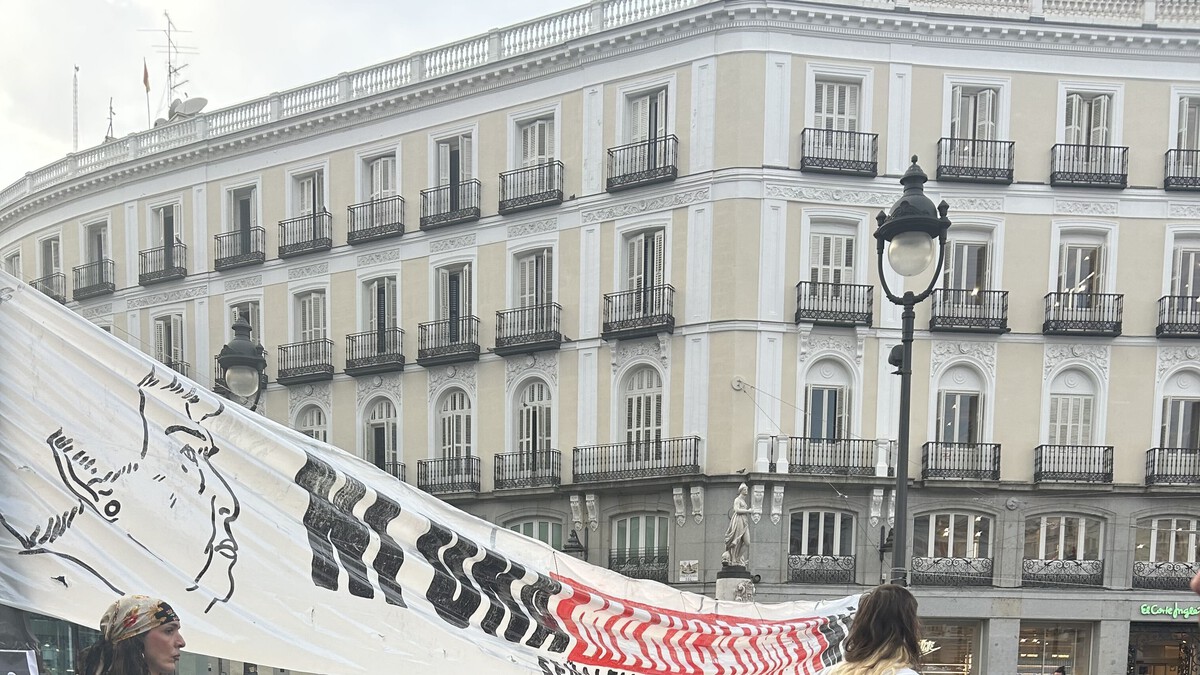
Now, 15 years later, a new generation of activists has pitched tents in the same square. Their demand is more specific: the right to affordable housing. Rents have skyrocketed in major Spanish cities, making it nearly impossible for young people and low-income families to find a home. The protesters argue that housing should be a right, not a business.
This new movement is not just a nostalgic reenactment. It reflects a deep-seated frustration that has been building for years. As one protester put it, "We are back because nothing has changed." The camp is a physical manifestation of that discontent.
Why Housing Has Become Spain's Flashpoint
Spain's housing market has become a pressure cooker. In cities like Madrid, Barcelona, and Valencia, rental prices have surged, driven by tourism, foreign investment, and a shortage of social housing. According to recent data, young adults spend more than half of their income on rent, forcing many to live with their parents well into their 30s.
The COVID-19 pandemic and the subsequent economic recovery exacerbated these trends. Remote work increased demand for housing in desirable areas, while construction of affordable units lagged. Evictions have also risen, adding to the sense of crisis. The government has introduced some measures, such as rent caps in certain regions, but critics say they are insufficient and poorly enforced.
The protesters in Puerta del Sol are demanding immediate action: a freeze on rents, more public housing, and stronger protections for tenants. They argue that the current system prioritizes profits over people, turning a basic need into a speculative commodity.
How Does This Compare to the Original 15-M?
The 2011 protests were broad and diffuse, targeting the entire political and economic establishment. They led to the rise of new parties like Podemos and Ciudadanos, and forced issues like corruption and inequality onto the national agenda. However, their impact on housing specifically was limited.
The new movement is more focused. It has learned from the past and is demanding concrete policy changes rather than systemic overhaul. This focus could make it more effective in the short term, but it also risks alienating potential allies who see it as too narrow.
Another difference is the political landscape. In 2011, Spain was in the midst of a deep recession, and the indignados tapped into widespread despair. Today, the economy is growing, but inequality has widened. The housing crisis is a symptom of that inequality, and the protesters are framing it as a moral issue, not just an economic one.
Key Demands of the New Protest Movement
- Rent control: Implement nationwide caps on rental prices to make housing affordable.
- Public housing investment: Increase the construction of social housing to at least 20% of total stock.
- Tenant protections: Strengthen laws against evictions and predatory landlords.
- Regulation of tourist rentals: Limit short-term rentals that reduce long-term housing supply.
- Transparency: Crack down on corruption and speculation in the real estate sector.
What Are the Stakes for Spain's Political Parties?
The protests put pressure on the current government, a coalition of the Spanish Socialist Workers' Party (PSOE) and Unidas Podemos. Both parties have historical ties to the 15-M movement, but they have struggled to deliver on housing promises. The opposition, led by the conservative People's Party (PP), has criticized the protests as disruptive and has proposed market-friendly solutions.
With regional elections on the horizon, housing is likely to become a key issue. The protesters are demanding meetings with political leaders and have vowed to stay until their voices are heard. How the government responds could shape the political landscape for years to come. The longer history behind the story is traced in Barcelona Cuts Power to Plaza Catalunya Protest Camp Over Safety. More on the surrounding debate is collected in Puerta del Sol Camp Ends as Protesters Shift to Neighborhoods.
| Aspect | 2011 15-M Movement | 2026 Housing Protests |
|---|---|---|
| Main grievance | Broad economic and political dissatisfaction | Housing affordability and tenant rights |
| Key demand | Systemic change | Rent control and public housing |
| Duration | Weeks-long camp | Ongoing, indefinite |
| Political impact | Led to new parties | Yet to be seen |
What to Watch Next
The camp in Puerta del Sol is still in its early days, but it has already drawn media attention and public sympathy. The protesters plan to hold assemblies, workshops, and cultural events to build momentum. They are also using social media to spread their message and coordinate with other cities. The background to this story is set out in Madrid's Puerta del Sol Camp: Almeida's Census Demand Ignites Debate. A related thread runs through Spain Housing Crisis: Inside the Growing Tent Camp Protest. Earlier coverage in María del Carmen Abascal: Elderly Eviction Icon Dies at 87 shows how the argument developed.
Whether this movement will replicate the success of 15-M remains uncertain. Much depends on how the government responds and whether the protests can maintain unity. One thing is clear: the housing crisis is not going away, and the protesters are determined to keep the spotlight on it. A closer look at the same subject appears in Spain Housing Crisis: Tens of Thousands Protest in Madrid. Anyone following the wider picture can start with Spain Snap Election 2026: Housing Crisis and Economic Fallout. The same theme surfaces in Spain Housing Crisis: Maricarmen Eviction Sparks Nationwide Protests, which takes a different angle.
As Spain grapples with this new wave of activism, the world will be watching. The right to housing is a global issue, and the events in Madrid could inspire similar movements elsewhere. For now, the tents in Puerta del Sol serve as a powerful reminder that, 15 years later, the struggle for a decent home continues. Context on how this played out before sits in Spain Housing Crisis: Activists Pin Hopes on Snap Election. A companion piece, Spain Housing Crisis: Eviction of 87-Year-Old Sparks Protests, approaches the same subject from another angle.
FAQ
What is the 15-M movement?
The 15-M movement, also known as the indignados, was a series of protests that began on May 15, 2011, in Spain. It emerged in response to austerity measures, political corruption, and economic inequality, with the camp in Puerta del Sol becoming its most iconic symbol.
Why are protesters back in Puerta del Sol?
Protesters have returned to Puerta del Sol to demand action on Spain's housing crisis. Rents have soared in major cities, making housing unaffordable for many, and the protesters are calling for rent control, more public housing, and stronger tenant protections.
How does the new movement differ from the original 15-M?
The new movement is more focused on housing specifically, whereas the original 15-M had a broader agenda. It also operates in a different political and economic context, with Spain's economy growing but inequality widening. The new protests are more targeted and may have a clearer path to policy impact.
What are the protesters' main demands?
The protesters are demanding rent control, increased public housing, stronger tenant protections, regulation of tourist rentals, and transparency in the real estate sector. They argue that housing should be a right, not a commodity.
Browse the Shop
 Acacia frida deluxe solid wood bed frame |
Bedroom bench |
Bed chest drawers |
Lingerie dresser |
Frame base |
Mirror with jewelry storage |
30 Bathroom Vanity |
Memory foam queen mattress |
Mattresses for back pain |
Nightstand set of 2 |
Grand Goldman Shop |
Civil Lawyer
Deutschland Trikot WM 2026







