

Sales of prepared food in Spanish supermarkets have surged 55% since 2022, according to a new report by Worldpanel by Numerator. The data reveals a dramatic shift in consumer habits: Spaniards increasingly prioritize speed, flexibility, and variety over traditional home cooking, and retailers are racing to capitalize on this billion-euro opportunity.
Why Prepared Food Is Booming in Spain
The 55% growth in ready-to-eat meal sales is more than a business statistic—it's a window into changing lifestyles. Consumers want meals that are quick, easy, and affordable without sacrificing quality. The report, titled 'Convenience, the supermarket power that changes everything,' highlights that this demand is reshaping the entire food retail landscape.
Find Original Home Decor sparking conversation at Grand Goldman Shop.

As work schedules tighten and urban life accelerates, the traditional sit-down meal is being replaced by on-the-go options. Supermarkets have responded by expanding their prepared food sections, offering everything from fresh salads to hot dishes. The convenience factor is no longer a nice-to-have; it's a core driver of store choice.
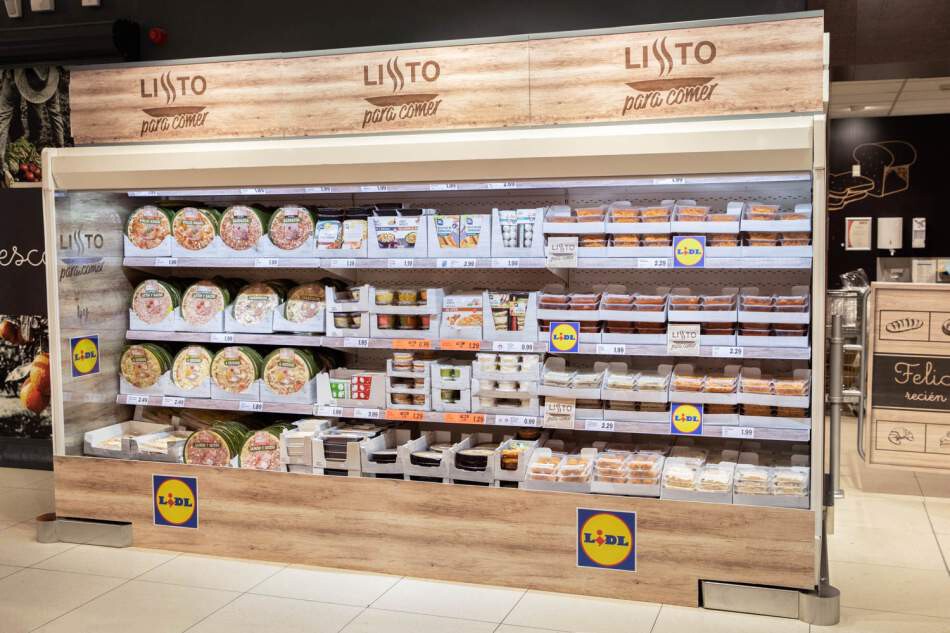
The Key Players: Mercadona and Beyond
While Worldpanel's report doesn't break down market share by retailer, Mercadona is widely recognized as a leader in this space. The Spanish supermarket giant has invested heavily in its ready-to-eat offerings, and its influence likely accounts for a significant portion of the growth. Other chains are following suit, but Mercadona's scale and supply chain efficiency give it a distinct advantage.
The competitive landscape is heating up as traditional grocers, convenience stores, and even restaurants vie for a piece of the prepared food pie. Success will depend on balancing taste, price, and speed—a trifecta that consumers now demand.
What This Means for the Food Industry
The surge in prepared food sales signals a broader transformation in how Spaniards eat. It's not just about convenience; it's about value. Consumers are willing to pay for time savings, but they still expect quality and variety. Supermarkets that can deliver on these fronts will win loyalty. The longer history behind the story is traced in Mercadona's Tourism Boom: 4.5% of Sales From Visitors.
For food manufacturers and suppliers, this shift opens new opportunities. Partnerships with retailers to develop exclusive ready meals or innovative packaging solutions could be a growth avenue. Meanwhile, traditional foodservice operators may need to adapt to compete with supermarket offerings. The background to this story is set out in Trending: latest articles. A related thread runs through Mercadona's Prepared Meals Threaten Spanish Hospitality. Earlier coverage in Supermarkets Now Compete With Restaurants, Not Just Each Other shows how the argument developed.
- 55% sales growth in prepared meals since 2022, per Worldpanel by Numerator.
- Mercadona is likely a key beneficiary, though exact figures aren't disclosed.
- Consumers prioritize speed, flexibility, and price over traditional cooking.
- The trend is reshaping supermarket strategies and supply chains.
- Competition is intensifying among grocers, convenience stores, and restaurants.
Comparative Overview of Prepared Food Segments
| Segment | Growth Drivers | Key Players | Challenges |
|---|---|---|---|
| Supermarket ready meals | Convenience, price, variety | Mercadona, Carrefour, Lidl | Perception of quality, supply chain |
| Convenience stores | Location, speed | Repsol, Cepsa | Limited fresh options |
| Restaurants & takeout | Taste, experience | Local eateries, chains | Higher price point |
What to Watch Next
As the prepared food market matures, expect to see more innovation in packaging, flavors, and pricing strategies. Retailers will likely invest in dedicated prepared food counters and digital ordering to capture busy shoppers. The line between supermarket and restaurant will continue to blur. A closer look at the same subject appears in Consum Overtakes Mercadona in Valencia Retail Space Race. Anyone following the wider picture can start with Mercadona's Grip on Spanish Palates: A Master Ice Cream Maker's Take. The same theme surfaces in European Supermarket Freezers Hit by Second Suspected Cyber-Attack, which takes a different angle.
For consumers, the upside is more choice and convenience. For businesses, the challenge is to stay ahead of evolving tastes while managing costs. The 55% growth is a clear signal: in Spain, the future of food is fast, flexible, and found in the supermarket aisle. Context on how this played out before sits in What Do University Students Really Eat Beyond Pesto Pasta. A companion piece, Spain's Prepared Food Boom: Supermarket Meals Sales Surge 55%, approaches the same subject from another angle.
FAQ
What is driving the 55% growth in prepared food sales in Spain?
The growth is driven by changing consumer lifestyles that prioritize speed, flexibility, and affordability. Spaniards are increasingly choosing ready-to-eat meals from supermarkets as a convenient alternative to home cooking.
Which supermarkets are leading the prepared food trend in Spain?
Mercadona is widely considered a leader, having invested significantly in its ready-to-eat offerings. Other chains like Carrefour and Lidl are also expanding their prepared food sections to compete.
How can businesses capitalize on the prepared food boom?
Businesses can focus on innovation in flavors, packaging, and pricing to meet consumer demand for convenience and quality. Partnerships between retailers and food manufacturers can also help create exclusive, appealing products.
What are the challenges facing the prepared food market?
Challenges include maintaining food quality and freshness, managing supply chain logistics, and standing out in an increasingly crowded market. Retailers must also balance convenience with competitive pricing.
Browse the Shop
 Acacia frida deluxe solid wood bed frame |
Bedroom bench |
Bed chest drawers |
Lingerie dresser |
Frame base |
Mirror with jewelry storage |
30 Bathroom Vanity |
Memory foam queen mattress |
Mattresses for back pain |
Nightstand set of 2 |
Grand Goldman Shop |
Civil Lawyer
Deutschland Trikot WM 2026







