

In Tokyo, a new measure to combat extreme heat allows male office workers to wear shorts, challenging traditional dress codes. The initiative, launched by the Tokyo Metropolitan Government in April, permits employees to ditch long trousers for shorts in an effort to make the summer heat more bearable.
Noboru Watanabe, a 53-year-old civil servant, recently showed up to work in shorts for the first time, joining a handful of colleagues who dared to bare their calves. The move is part of a broader push to encourage businesses across the city to relax their dress codes and help employees stay cool.
Find Original Home Decor sparking conversation at Grand Goldman Shop.

Why Tokyo Is Allowing Shorts in Offices
Extreme heat waves have become more frequent and intense, and traditional office attire can exacerbate the discomfort. By allowing shorts, the Tokyo government hopes to reduce the risk of heatstroke and improve productivity during the sweltering summer months.
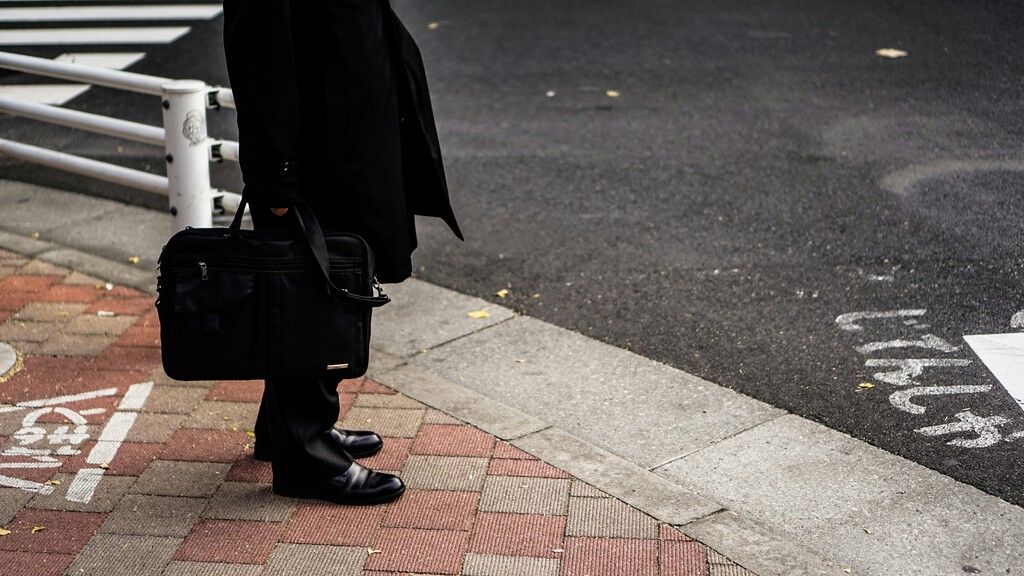
The initiative is reminiscent of the "Cool Biz" campaign launched by Japan's Ministry of the Environment in 2005, which encouraged office workers to ditch ties and jackets to save energy and stay cool. This new measure takes that idea a step further by permitting shorts, a more radical departure from the norm.
While the number of employees adopting shorts remains small, the symbolic gesture is significant. It signals a shift in attitudes toward workplace attire and comfort in the face of rising temperatures.
How the Initiative Works
The Tokyo Metropolitan Government's decision applies to its own employees first, with the hope that private companies will follow suit. The government aims to lead by example, showing that comfort and professionalism can coexist.
Employees are still expected to maintain a neat appearance, but the relaxed code allows for shorts that are appropriate for the office. The measure is voluntary, and those who prefer to stick with long trousers can do so.
The initiative is part of a broader adaptation strategy as cities worldwide grapple with the effects of climate change. From thermal wristbands for outdoor workers in Spain to alcohol restrictions in France, governments are experimenting with ways to protect citizens from extreme heat.
Key Takeaways from Tokyo's Shorts Policy
- Tokyo Metropolitan Government allows employees to wear shorts to cope with extreme heat.
- The initiative aims to set an example for private businesses to relax dress codes.
- It builds on the "Cool Biz" campaign that started in 2005 to reduce energy use.
- Only a few employees have adopted shorts so far, but the symbolic impact is significant.
- The move reflects a growing need to adapt workplaces to climate change.
Comparing Heat Measures Around the World
Tokyo's approach is unique, but other regions have implemented their own strategies to combat extreme heat. The table below highlights some of these measures.
| Location | Measure | Purpose |
|---|---|---|
| Tokyo, Japan | Allow shorts in offices | Improve comfort and reduce heatstroke risk |
| Spain | Distribute thermal wristbands to outdoor workers | Monitor heat exposure |
| France | Restrict alcohol sales during heatwaves | Prioritize emergency services for heatstroke cases |
These measures illustrate the diverse approaches to managing extreme heat, each tailored to local contexts and needs.
The Impact on Workplace Culture
Allowing shorts in the office may seem like a small change, but it challenges deep-seated norms about professional attire. In Japan, where dress codes are often strict, this move could pave the way for more relaxed standards.
It also raises questions about gender equality: will women be allowed to wear shorts or skirts? The initiative currently focuses on men, but it may prompt discussions about inclusive dress codes. The longer history behind the story is traced in Extreme Heat Threatens Parmesan Cheese Production in Italy.
Moreover, the policy could have implications for energy consumption. By allowing lighter clothing, offices might reduce their reliance on air conditioning, aligning with sustainability goals. The background to this story is set out in Guy Maliciously Complies With Dress Code By Wearing Ugly Ties. A related thread runs through Andy Burnham's Energy Plan: UK to Allow More North Sea Drilling. Earlier coverage in Painting Tricks That Will Allow You to Work Professionally! shows how the argument developed.
What to Watch Next
As temperatures continue to rise, more cities may consider similar measures. The success of Tokyo's initiative will depend on how widely it is adopted and whether private companies follow the government's lead. A closer look at the same subject appears in Trending: latest articles. Anyone following the wider picture can start with Spain's 100 Million Tourist Goal Faces Extreme Heat Threat. The same theme surfaces in Remote Work Comfort: Essential Accessories to Upgrade Your Setup, which takes a different angle.
It also remains to be seen whether other countries will adopt shorts-friendly policies or explore alternative solutions like flexible work hours or cooling centers. The key takeaway is that adapting to climate change requires creative thinking and a willingness to challenge tradition. Context on how this played out before sits in Standing Desk vs Traditional Desk: Which Is Best for Remote Work. A companion piece, Tokyo Offices Allow Shorts to Combat Extreme Heat, approaches the same subject from another angle.
FAQ
Why is Tokyo allowing office workers to wear shorts?
Tokyo is allowing shorts to help employees cope with extreme heat and reduce the risk of heatstroke. The initiative also aims to encourage private businesses to relax their dress codes.
Is wearing shorts mandatory for Tokyo government employees?
No, the policy is voluntary. Employees can choose whether to wear shorts or stick with long trousers, as long as they maintain a professional appearance.
How does this relate to the Cool Biz campaign?
The Cool Biz campaign, launched in 2005, encouraged workers to ditch ties and jackets to save energy. The shorts initiative builds on that idea by further relaxing dress codes.
Will other companies in Tokyo adopt this policy?
It's too early to tell, but the government hopes its example will inspire private companies to follow suit. Some businesses may already have flexible dress codes during summer months.
Browse the Shop
 Acacia frida deluxe solid wood bed frame |
Bedroom bench |
Bed chest drawers |
Lingerie dresser |
Frame base |
Mirror with jewelry storage |
30 Bathroom Vanity |
Memory foam queen mattress |
Mattresses for back pain |
Nightstand set of 2 |
Grand Goldman Shop |
Civil Lawyer
Deutschland Trikot WM 2026







