

A Ukrainian soldier survived 1,495 days in Russian captivity by reciting Harry Potter books from memory, a testament to the power of literature in the darkest of times. Oleksandr Ivanov, a marine officer, was captured in Mariupol in April 2022 and held in various Russian prisons, where guards waged a relentless psychological war. The story, reported by the BBC, reveals how the magic of J.K. Rowling's wizarding world helped him hold onto his humanity.
The Last Goodbye in Mariupol
In April 2022, as Mariupol fell, Oleksandr Ivanov called his wife, convinced it would be the last time they spoke. Surrounded by death and destruction, he was captured and sent first to Olenivka, then to a penal colony in Mordovia. Thus began 1,495 days of captivity—nearly four years without knowing if his country, his family, or the war itself still existed.
Find Original Home Decor sparking conversation at Grand Goldman Shop.

Time lost meaning. Days blurred into silence, and survival became a matter of mental endurance. What kept him going was not food or warmth, but the stories he carried in his mind.
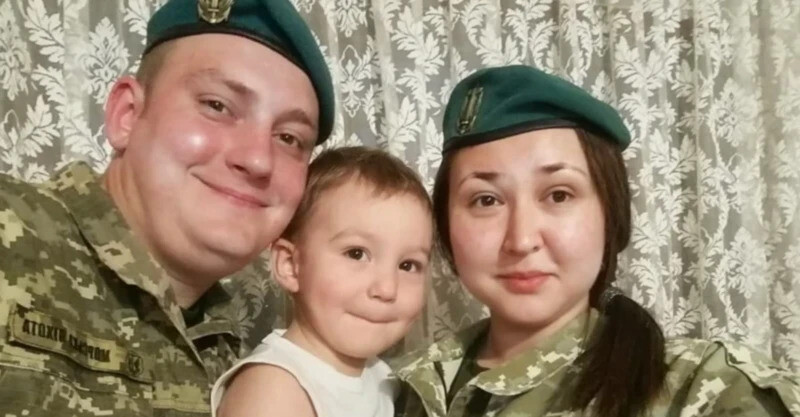
Captivity as Psychological Warfare
According to the BBC report, the most destructive force was not hunger—though Oleksandr lost 30 kilograms—nor cold, nor the overcrowding of eight men in a tiny cell forced to stand most of the day. It was the systematic demolition of the mind.
Russian guards repeatedly told prisoners that Ukraine had ceased to exist. They burned letters in front of them and filled the air with constant radio propaganda. The goal was to erase hope and identity.
In such conditions, memory became an act of resistance. As Primo Levi recited Dante in Auschwitz, Oleksandr turned to Harry Potter.
How Harry Potter Became a Lifeline
Oleksandr had read the Harry Potter series multiple times before the war. In captivity, he began reciting the books to himself, reconstructing plots, characters, and dialogues. The familiar words became a mental escape and a way to preserve his sense of self.
He was not alone. Other prisoners asked him to recount the stories, and soon he was sharing the adventures of Harry, Hermione, and Ron with cellmates. The tales provided a shared language of hope and a temporary refuge from the bleak reality.
Psychologists note that such cognitive engagement can help trauma survivors maintain a sense of control and continuity. For Oleksandr, Harry Potter was more than entertainment—it was a survival tool.
The Power of Memory in Extreme Circumstances
Literature has long been a source of solace in times of oppression. Primo Levi's recitation of Dante in Auschwitz is a famous example. In modern conflicts, stories like Oleksandr's underscore how cultural touchstones can sustain the human spirit.
Reciting books from memory requires intense focus, which can distract from physical suffering and psychological abuse. It also reinforces neural pathways associated with language and narrative, potentially mitigating cognitive decline.
Moreover, sharing stories builds solidarity among prisoners, creating a micro-community of resistance. In Oleksandr's case, Harry Potter became a form of quiet defiance against attempts to dehumanize him.
Key Takeaways for Resilience
- Memory as resistance: Reciting beloved books can help maintain mental stability under extreme stress.
- Shared stories build solidarity: Telling stories to others fosters connection and hope in isolation.
- Psychological warfare is real: Captors often target the mind; maintaining identity is crucial.
- Literature offers escape: Familiar narratives provide a temporary refuge from trauma.
- Hope persists: Even in the darkest times, the human spirit can find light through imagination.
Comparison of Survival Strategies in Captivity
| Strategy | Example | Effectiveness |
|---|---|---|
| Reciting literature | Oleksandr Ivanov with Harry Potter | High: maintains cognitive function and hope |
| Physical exercise | Isometric exercises in cell | Moderate: preserves strength but limited by space |
| Social bonding | Sharing stories with cellmates | High: builds solidarity and reduces isolation |
| Faith or meditation | Prayer or mindfulness | Variable: depends on individual beliefs |
What This Means for Hostages and Their Families
Oleksandr's story highlights the importance of mental resilience training for those at risk of capture. It also underscores the need for psychological support after release. The background to this story is set out in Harry Potter and the Cursed Child Magic: Jamie Parker Reveals. A related thread runs through Harry Potter and the Cursed Child: Behind the Magic with Jamie. Earlier coverage in Harry Potter TV Show Trailer Reveals New Cast and Hogwarts Magic shows how the argument developed.
For families, knowing that their loved ones have coping mechanisms can provide some comfort. The BBC report emphasizes that Oleksandr's wife never gave up hope, and their reunion after 1,495 days was emotional. A closer look at the same subject appears in Ukrainian Drone Videos Mock Russian Soldiers' Last Moments. Anyone following the wider picture can start with Realme 16 Pro 5G Harry Potter Edition: Limited Fan Smartphone. The same theme surfaces in Ideas to Decorate a Harry Potter Themed Room, which takes a different angle.
As the war in Ukraine continues, stories like this remind us of the human cost and the extraordinary strength of those who endure. Context on how this played out before sits in Imelda Staunton Career Highlights: From Harry Potter to The Crown. A companion piece, Kit Harington Replaces Nicholas Hoult in HBO's Harry Potter Series, approaches the same subject from another angle.
FAQ
Who is Oleksandr Ivanov?
Oleksandr Ivanov is a Ukrainian marine officer who was captured by Russian forces in Mariupol in April 2022. He spent 1,495 days in captivity before being released.
How did Harry Potter help him survive?
He recited the books from memory to himself and others, which provided mental escape, maintained his cognitive faculties, and fostered solidarity among prisoners.
What was the psychological warfare he faced?
Guards repeatedly told prisoners that Ukraine had ceased to exist, burned letters, and played constant propaganda. This was designed to break their spirit and erase their identity.
Why is reciting literature effective in captivity?
It engages the mind, distracts from suffering, reinforces memory and language, and creates a sense of normalcy and control. It also builds community when shared.
Browse the Shop
 Acacia frida deluxe solid wood bed frame |
Bedroom bench |
Bed chest drawers |
Lingerie dresser |
Frame base |
Mirror with jewelry storage |
30 Bathroom Vanity |
Memory foam queen mattress |
Mattresses for back pain |
Nightstand set of 2 |
Grand Goldman Shop |
Civil Lawyer
Deutschland Trikot WM 2026







