

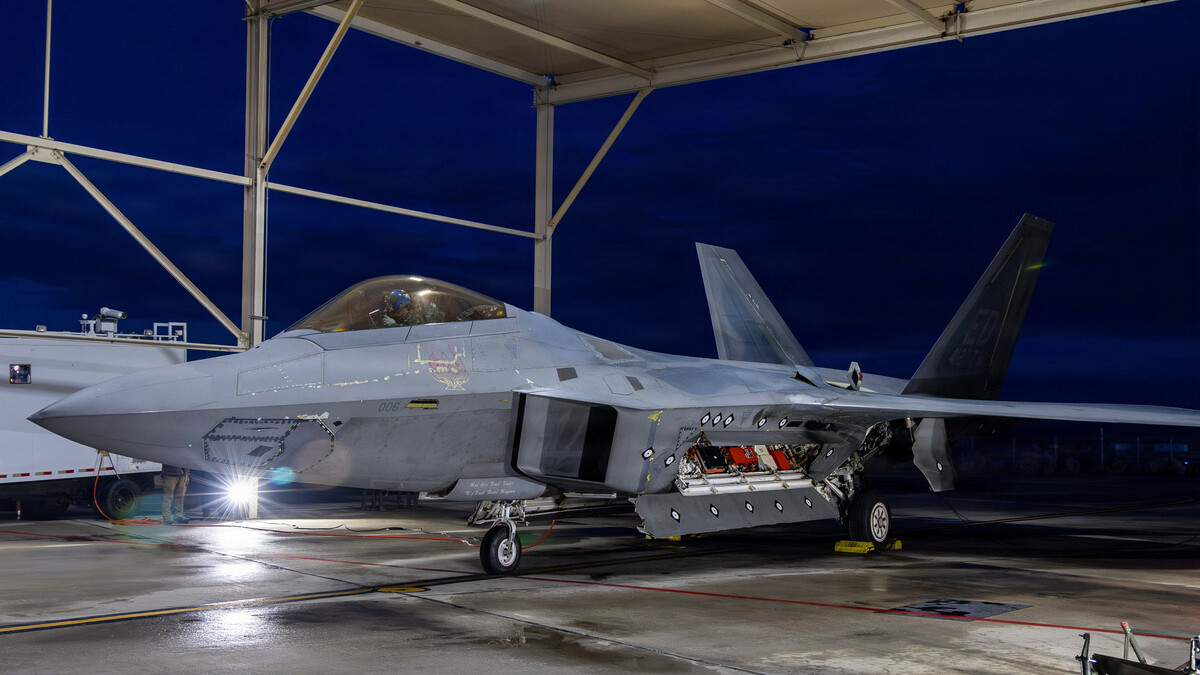
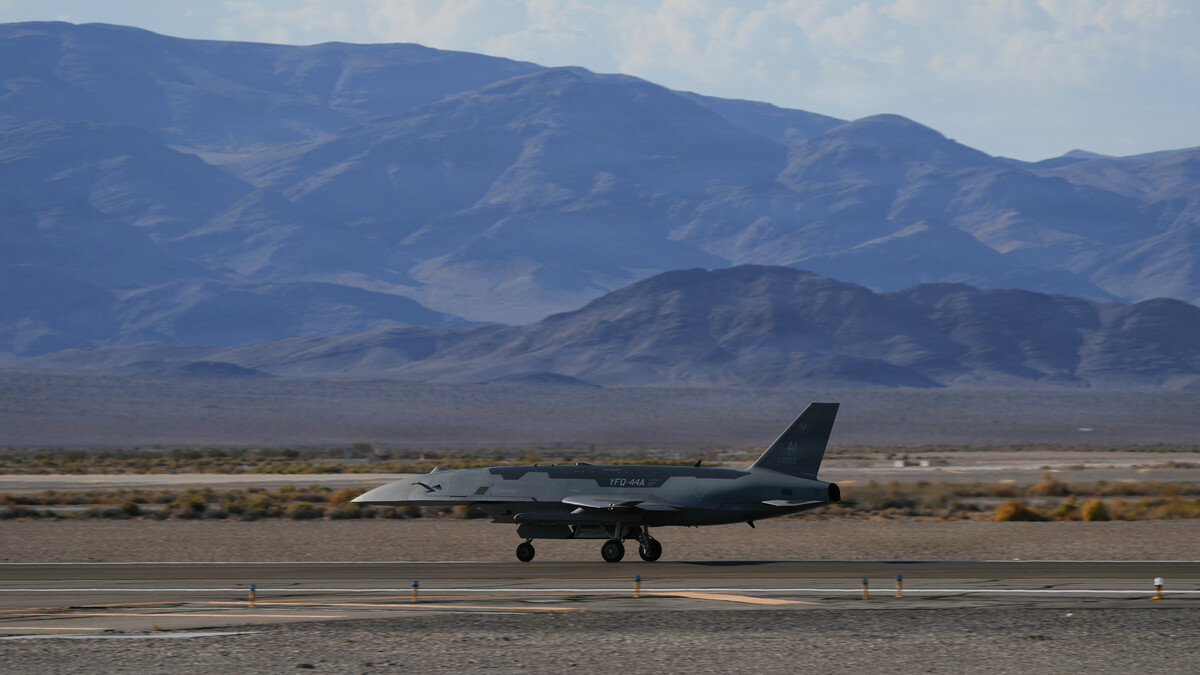
The US Air Force has taken a significant step toward autonomous combat aviation by demonstrating an F-22 Raptor pilot controlling a YFQ-44A Fury drone. This test, conducted at Edwards Air Force Base in California, marks a major milestone in the development of manned-unmanned teaming for future air superiority.
What Happened During the F-22 and Fury Demonstration
In early October, a pilot flying an F-22 Raptor transmitted tactical instructions to a YFQ-44A Fury, an unmanned combat aircraft developed by Anduril. According to an official statement released on the 16th, the Fury interpreted the commands through its autonomous software and executed flight maneuvers and simulated combat tasks.
Find Original, High-end Home Decor that spark conversation at Grand Goldman Shop.
This was not a full formation under a single pilot's command, but a test with a single Fury that demonstrated coordination between the two aircraft. The key was the type of instructions the Fury received—the pilot did not act as a remote operator but rather as a mission commander, issuing high-level directives that the drone's software translated into actions.
Why This Test Matters for the Future of Air Combat
For decades, aerial combat has been defined by fighters whose pilots make decisions from their own cockpits. The US is now working on a different model, one in which some aircraft could fly without anyone on board and receive instructions from a pilot who also commands their own plane.
This concept opens up interesting possibilities but also presents a challenge: how to coordinate multiple aircraft without multiplying the tasks of the pilot at the controls. The answer lies in developing aircraft capable of interpreting orders and executing them with a degree of autonomy.
How the Autonomous Software Works
The YFQ-44A Fury is designed to operate as a "loyal wingman," flying alongside manned fighters and taking on tasks that would otherwise require additional crewed aircraft. Its autonomous software allows it to understand tactical commands and adapt to dynamic situations without constant human input.
During the test, the F-22 pilot issued commands that the Fury's software interpreted to perform specific maneuvers and simulated combat tasks. This demonstrates that the drone can function as an effective team member, reducing the pilot's workload while enhancing overall mission capability. The background to this story is set out in Senate Bills Ease Mental Health Stigma for Pilots and Controllers. A related thread runs through Pilot Falls for Air Traffic Controller's Voice Before Meeting.
Key Takeaways from the F-22 and Fury Test
- First demonstration of an F-22 pilot controlling a YFQ-44A Fury drone in flight.
- Autonomous software enables the drone to interpret tactical commands and execute maneuvers.
- Manned-unmanned teaming aims to reduce pilot workload and increase combat effectiveness.
- Edwards Air Force Base hosted the test in early October, highlighting ongoing research.
- Future implications include integrating multiple drones under a single pilot's command.
Challenges and Next Steps
While this test is promising, scaling the concept to multiple drones under one pilot will require further advances in autonomy and human-machine interface. The Air Force must ensure that pilots can manage several unmanned aircraft without being overwhelmed by the complexity of the battle space. Earlier coverage in Trending: latest articles shows how the argument developed. A closer look at the same subject appears in Northrop Grumman's Talon Blue: First Autonomous Flight of YFQ-48A.
Additionally, questions remain about the rules of engagement and ethical considerations of autonomous combat systems. The test is a step toward a future where manned and unmanned aircraft operate seamlessly together. Anyone following the wider picture can start with Airbus U740 Valkyrie: Germany's Plan B for Fighter Jet Gap. The same theme surfaces in iPad Air M4 Deal: Save $170 Before Amazon Restocks, which takes a different angle.
Comparison of Manned and Unmanned Combat Aircraft
| Feature | F-22 Raptor (Manned) | YFQ-44A Fury (Unmanned) |
|---|---|---|
| Crew | 1 pilot | None (autonomous) |
| Primary Role | Air superiority | Loyal wingman |
| Autonomy Level | Human decision-making | Interprets commands, executes autonomously |
| Developer | Lockheed Martin | Anduril |
| Test Milestone | Controlled Fury in demonstration | Executed maneuvers from F-22 commands |
FAQ
What is the YFQ-44A Fury?
The YFQ-44A Fury is an unmanned combat aircraft developed by Anduril for the US Air Force. It is designed to operate as a loyal wingman alongside manned fighters, using autonomous software to interpret commands and execute missions.
How did the F-22 pilot control the Fury?
The F-22 pilot transmitted tactical instructions to the Fury, which its autonomous software interpreted to perform flight maneuvers and simulated combat tasks. The pilot acted as a mission commander rather than a remote operator.
Why is this test important?
This test demonstrates the feasibility of manned-unmanned teaming, where a single pilot can control multiple drones. It could reduce pilot workload and enhance combat effectiveness in future air operations.
What are the next steps for this technology?
The Air Force will need to test controlling multiple drones simultaneously and refine the human-machine interface. Further development will focus on increasing autonomy and ensuring safe and ethical operation.
Browse the Shop
 Acacia frida deluxe solid wood bed frame |
Bedroom bench |
Bed chest drawers |
Lingerie dresser |
Frame base |
Mirror with jewelry storage |
30 Bathroom Vanity |
Memory foam queen mattress |
Mattresses for back pain |
Nightstand set of 2 |
Grand Goldman Shop |
Civil Lawyer
Deutschland Trikot WM 2026










