

Whitewashing walls was once a common summer ritual across the Mediterranean, and in 2026 this forgotten practice is gaining renewed attention. For centuries, as summer arrived, families would grab a brush and a bucket of lime to refresh the white coating on their interior walls. What seemed like simple maintenance was actually a sophisticated cooling strategy inherited from the Romans.
This ancient technique is now being revisited as homeowners look for natural ways to beat the heat. Unlike modern paint, lime wash allows walls to breathe, regulating indoor humidity and temperature. In an era of rising energy costs and climate concerns, this old-world solution offers surprising benefits.
Find Original Home Decor sparking conversation at Grand Goldman Shop.

What Is Whitewashing and Why Did It Matter?
Whitewashing involves applying a mixture of lime (calcium oxide) and water to walls. The Romans spread this practice across the Mediterranean, using abundant limestone that was burned and mixed with water. It wasn't limited to grand villas; ordinary homes, barns, and farm buildings all received regular coats.
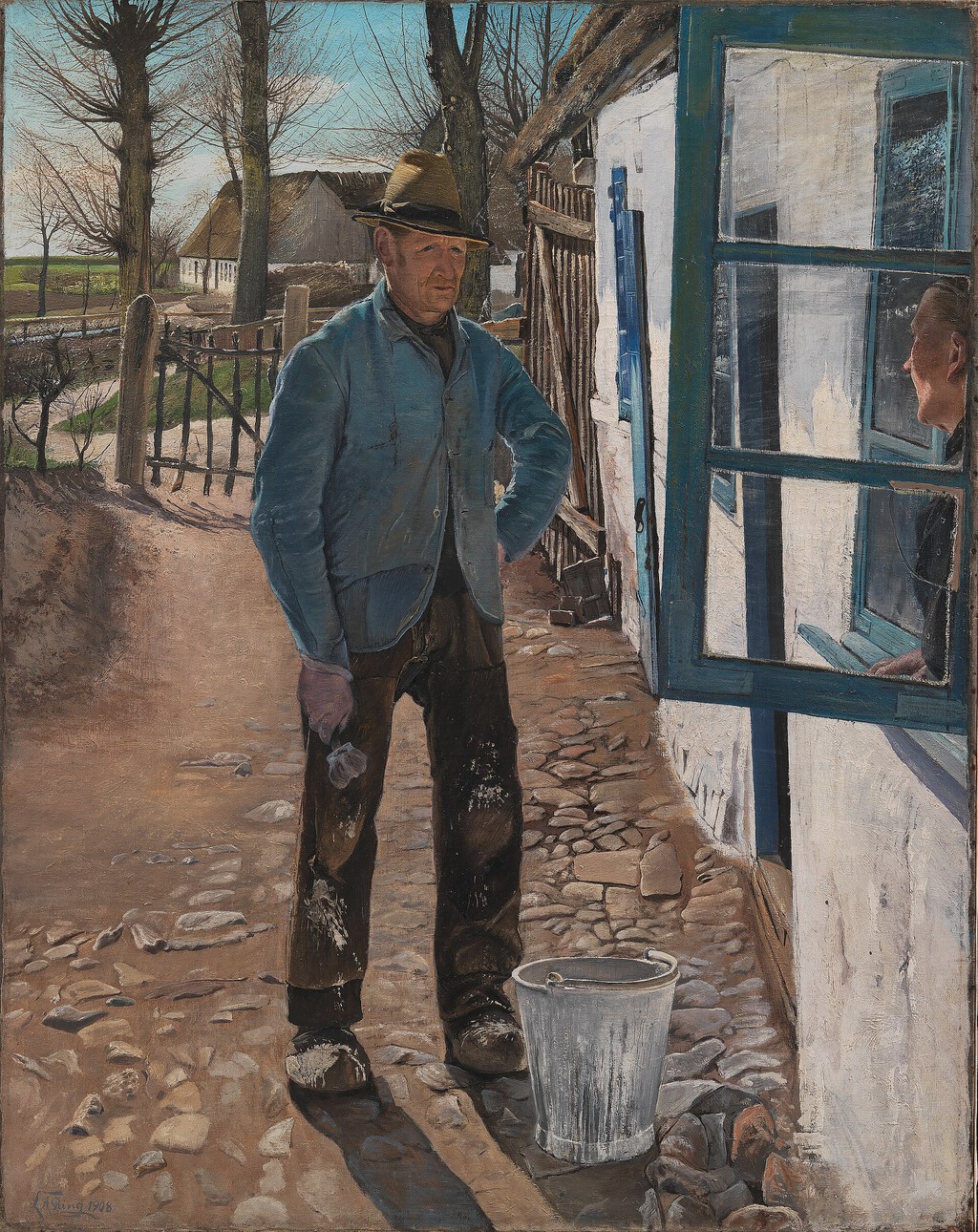
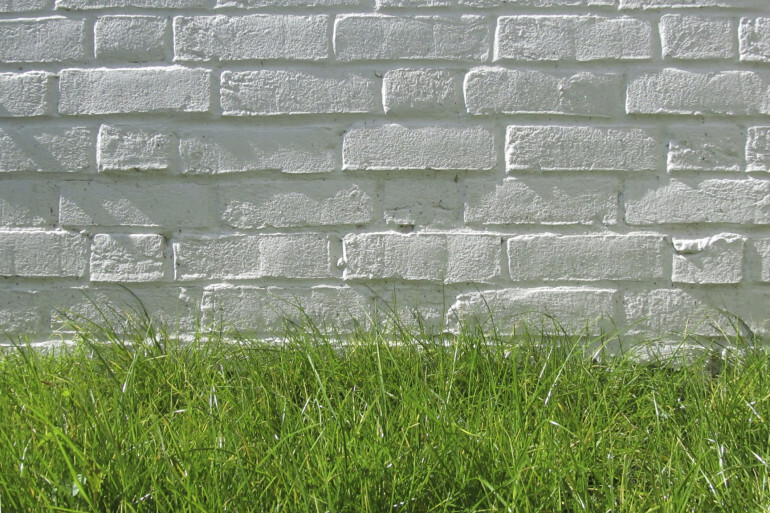
Over centuries, rewhitewashing became a seasonal task, especially before summer. The state of the walls directly influenced indoor comfort. The white color reflected some solar radiation, but the real advantage was the lime's high vapor permeability. This allowed moisture to pass through the walls, preventing dampness and keeping interiors cooler.
The Science Behind Lime's Cooling Effect
Lime plaster is hygroscopic, meaning it absorbs and releases moisture. When humidity rises, the lime absorbs water vapor, and as it evaporates, it cools the surrounding air. This natural process helps stabilize indoor humidity and temperature, reducing the need for mechanical cooling.
Additionally, the white surface reflects sunlight, reducing heat gain. But the breathability is key: modern paints often trap moisture, leading to mold and poor air quality. Lime wash, by contrast, lets walls dry out, maintaining a healthier indoor environment.
Who Benefits Most from Whitewashing Today?
Homeowners in hot, humid climates can benefit greatly from whitewashing. It's particularly useful for older buildings with solid masonry walls, which need to breathe. Those with respiratory issues also profit from better humidity control and fewer mold spores.
In 2026, as sustainable living gains traction, whitewashing aligns with eco-friendly trends. Lime is natural, low-impact, and often locally sourced. It's a cost-effective alternative to air conditioning, especially in regions where summers are becoming hotter.
- Natural cooling: Lime regulates humidity and temperature without electricity.
- Eco-friendly: Made from limestone, a abundant and recyclable material.
- Healthier indoor air: Breathable walls reduce mold and dampness.
- Low maintenance: Reapply every few years, easy to touch up.
- Heritage appeal: Preserves traditional architecture and aesthetics.
How Does Whitewashing Compare to Modern Alternatives?
Modern paints and sealants often prioritize durability and washability over breathability. While they may last longer, they can trap moisture, leading to structural damage and health issues. Lime wash, though requiring more frequent application, offers superior moisture management. The longer history behind the story is traced in Whitewashing Walls: The Forgotten Summer Cooling Secret. More on the surrounding debate is collected in Rowenta Fan with Mosquito Repellent: A Summer Game Changer.
Below is a comparison of whitewashing with common wall finishes:
| Feature | Lime Wash | Acrylic Paint | Cement Render |
|---|---|---|---|
| Breathability | High | Low | Medium |
| Moisture regulation | Excellent | Poor | Moderate |
| Cooling effect | Yes, via evaporation | No | Limited |
| Eco-friendliness | High | Low (VOCs) | Medium |
| Maintenance | Every 2-5 years | Every 5-10 years | Every 10+ years |
Why Is Whitewashing Making a Comeback in 2026?
Climate change and energy efficiency are driving the revival. As heatwaves intensify, people seek passive cooling solutions. Whitewashing offers a low-tech, sustainable way to keep homes comfortable. Moreover, the aesthetic of whitewashed walls fits the minimalist, natural look popular in interior design. The background to this story is set out in St Andrews Foam Fight: Modern Twist on Ancient Raisin Monday Ritual. A related thread runs through How to paint a laminated plaster ceiling. Earlier coverage in Simple steps to plaster a wall shows how the argument developed.
Preservationists also champion the technique for historic buildings. Improper modern materials can damage old walls, whereas lime wash is compatible with traditional construction. Cities with heritage regulations often encourage or require lime-based finishes. A closer look at the same subject appears in Airport Cooling Without Air Conditioning: Natural Ventilation Success. Anyone following the wider picture can start with Trending: latest articles. The same theme surfaces in Lidl's $7.99 Wireless Weather Station Solves Home Humidity, which takes a different angle.
What to Watch Next
Look for increased availability of lime wash products and workshops on traditional application. As more homeowners adopt this practice, we may see a shift away from plastic paints toward breathable, natural finishes. Government incentives for energy-efficient home improvements could also include passive cooling methods like whitewashing. Context on how this played out before sits in Why Oversized AC Units Struggle in Humid Florida Homes — Explained. A companion piece, Hitler's Failed 10,000-Room Mega Hotel on Rügen Island, approaches the same subject from another angle.
FAQ
What is whitewashing walls?
Whitewashing is the application of a lime and water mixture to walls, creating a white, breathable coating. It's an ancient technique used for cooling and moisture control.
Does whitewashing really cool a house?
Yes, lime wash helps regulate humidity and temperature through evaporation, and the white surface reflects sunlight. This passive cooling reduces indoor heat.
Can I whitewash over modern paint?
No, lime wash needs a porous surface. Modern paint must be removed first, as it prevents the lime from adhering and breathing.
How often should I reapply whitewash?
Typically every 2-5 years, depending on exposure. Interior walls may need less frequent application than exterior ones.
Browse the Shop
 Acacia frida deluxe solid wood bed frame |
Bedroom bench |
Bed chest drawers |
Lingerie dresser |
Frame base |
Mirror with jewelry storage |
30 Bathroom Vanity |
Memory foam queen mattress |
Mattresses for back pain |
Nightstand set of 2 |
Grand Goldman Shop |
Civil Lawyer
Deutschland Trikot WM 2026







