

People who check the time on a watch instead of their phone are not outdated—they are actively controlling distractions, according to experts. In a tech ecosystem dominated by hyperconnectivity, turning on your smartphone screen for a three-second task like setting a timer or checking the time has become an attention trap. What many see as an old-fashioned or analog gesture—using a watch, for example—is now defined by science and psychology as a conscious defense mechanism against digital overstimulation.
The Science Behind Glance Interactions
A study from the University of Toronto that analyzed wearable device usage habits found that short glance interactions on smartphones typically last 30% longer than originally intended. The reason is clear: the phone is not a single-purpose tool. When you unlock the screen to see the timer, your brain receives an immediate burst of stimuli that makes a simple task take longer than expected.
Find Original Home Decor sparking conversation at Grand Goldman Shop.

This phenomenon is known as glance behavior—the brief moments we spend checking our devices. But what starts as a quick peek often turns into a rabbit hole of notifications, social media updates, and endless scrolling. The study highlights that these micro-interactions are not as harmless as they seem; they fragment our attention and reduce productivity.
Why a Watch Beats a Phone for Timekeeping
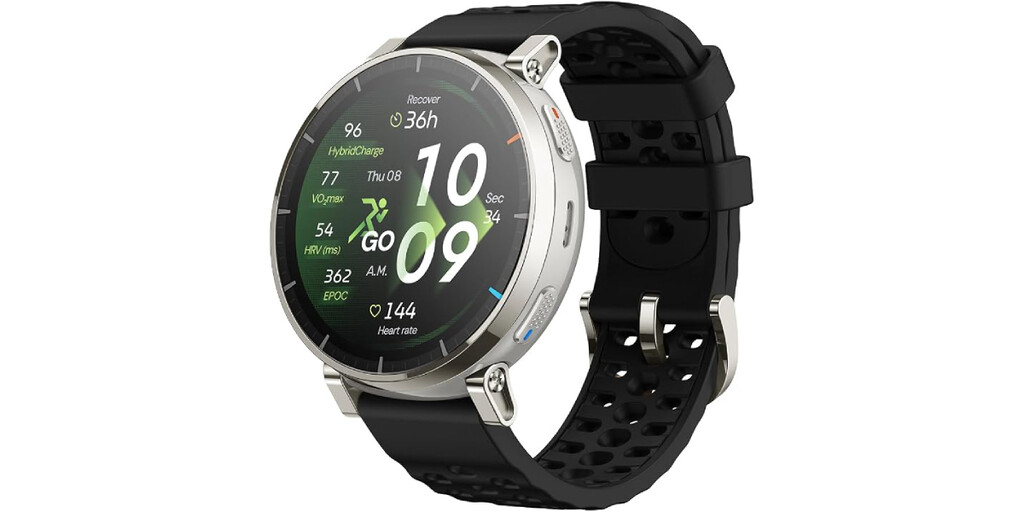
Using a watch or smartband for timekeeping eliminates the temptation to engage with apps and notifications. A watch serves one purpose: telling time. This single-function design is precisely what makes it a powerful tool for focus. By keeping your phone out of reach—or in airplane mode—you can avoid the cascade of distractions that come with unlocking a smartphone.
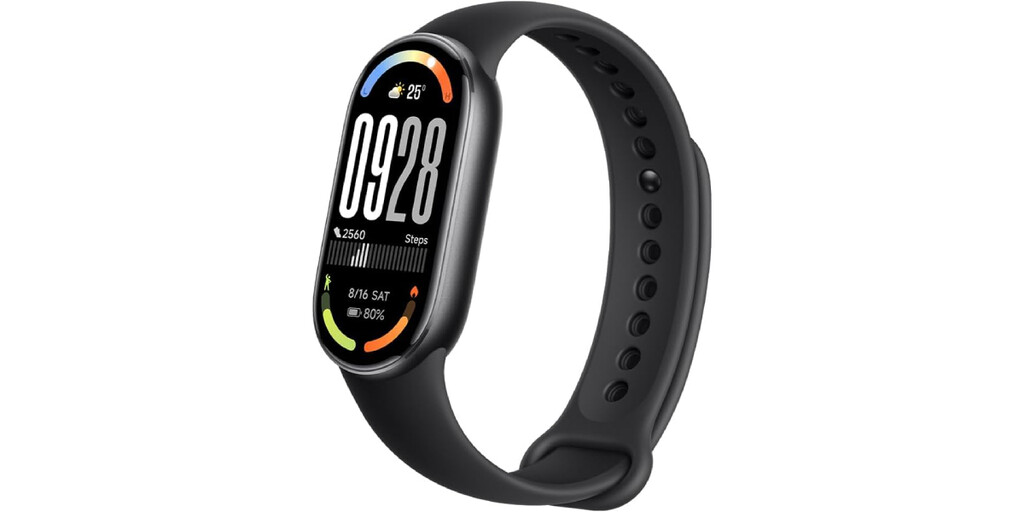
Experts recommend wearing a watch during workouts or focused work sessions to stay on track without getting sidetracked. The key is to choose a device that keeps you connected only to what matters—time, fitness tracking, and perhaps essential alerts—without the lure of social media or email.
Top Smartwatches and Bands for Distraction-Free Timekeeping
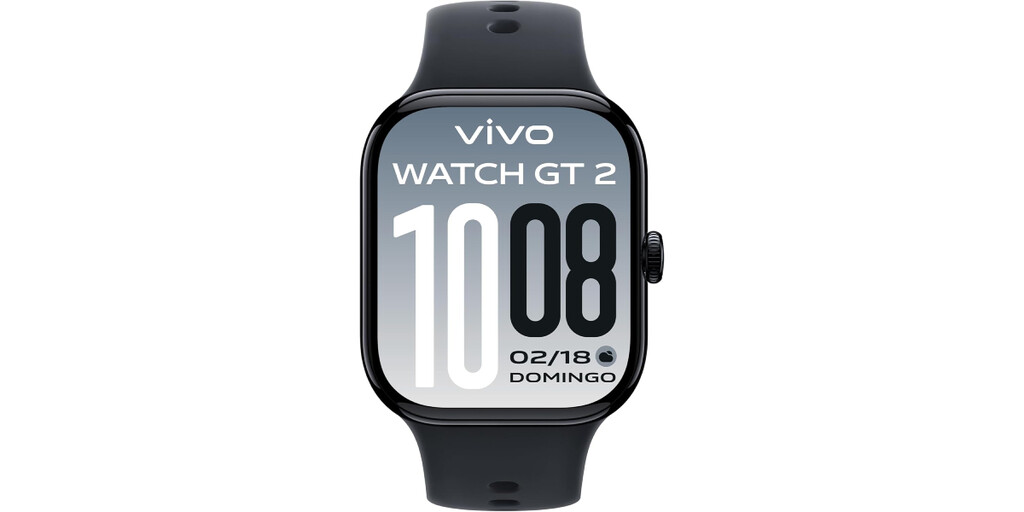
If you want to stop carrying your phone to workouts just to check the timer, here are five watches and smartbands worth considering. Ideally, put them in airplane mode to prevent notifications from reaching your wrist, or simply leave your phone far away.
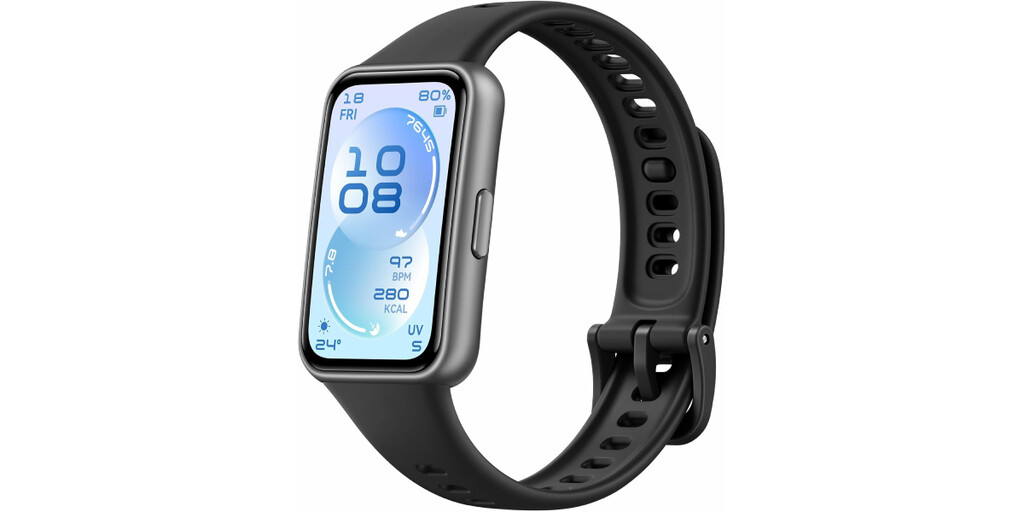
- Xiaomi Smart Band 10: A budget-friendly smart band with a 21-day battery life, perfect for tracking workouts and time without distractions.
- Amazfit Active 3: Currently discounted to €149.90 on Amazon, this smartwatch offers robust fitness features and a sleek design.
- Garmin Forerunner series: Known for precise GPS and long battery life, ideal for runners who need reliable timing.
- Apple Watch SE: Offers essential smart features but can be configured to minimize notifications.
- Fitbit Charge 6: A fitness tracker with a focus on health metrics and basic smart notifications.
Each of these devices allows you to check the time and set timers without the risk of falling into a smartphone rabbit hole. The best choice depends on your budget and fitness needs.
Comparison of Popular Smartwatches and Bands
| Device | Battery Life | Key Feature | Price (approx.) |
|---|---|---|---|
| Xiaomi Smart Band 10 | 21 days | Affordable fitness tracking | €40 |
| Amazfit Active 3 | 14 days | Built-in GPS, Alexa | €149.90 |
| Garmin Forerunner 55 | 14 days | Advanced running metrics | €200 |
| Apple Watch SE | 18 hours | Seamless iPhone integration | €279 |
| Fitbit Charge 6 | 7 days | Stress management tools | €160 |
The Psychological Benefits of Single-Purpose Devices
Psychology supports the idea that single-purpose devices reduce cognitive load. When you use a watch, you are not bombarded with notifications, and your brain does not have to switch contexts. This cognitive offloading allows you to stay present and focused on the task at hand. The longer history behind the story is traced in Why People Who Check Time on a Watch Instead of a Phone Are Smarter. More on the surrounding debate is collected in Agentic AI Redefines What We Expect From a Computer.
Moreover, the physical act of glancing at your wrist is less disruptive than pulling out your phone. It signals to others that you are checking the time, not disengaging from the conversation. In professional and social settings, this subtle difference can enhance your presence and respect for others. The background to this story is set out in Word for Time Management: 15 Sharper Alternatives to Use — Explained. A related thread runs through Trending: latest articles. Earlier coverage in Ditching a $1,500 Phone for a $40 Dumb Phone: Worth shows how the argument developed.
How to Transition to Watch-Based Timekeeping
Making the switch is easier than you think. Start by wearing a watch consistently, even if it's a simple analog one. Gradually incorporate a smartband for fitness tracking if needed. Set your phone to do not disturb during focused periods, and keep it in another room when possible. A closer look at the same subject appears in Help With Online Class: 5 Smart Moves Most Students Miss — Explained. Anyone following the wider picture can start with Best Online Reputation Management Services for Small Business in 2026. The same theme surfaces in Spanish Users Quit WhatsApp and Smartphones for Digital Detox, which takes a different angle.
Over time, you'll notice that you are less tempted to check your phone and more in control of your attention. The goal is not to abandon technology but to use it intentionally. As the experts suggest, using a watch is not about being antiquated—it's about being smart about distractions. Context on how this played out before sits in Casio F-B100W: The Smartwatch That Masters Minimalism. A companion piece, How modern businesses can build smarter, more efficient environments, approaches the same subject from another angle.
FAQ
Why does checking the time on my phone take longer than expected?
Because smartphones are multi-purpose devices, unlocking the screen exposes you to notifications and apps that can hijack your attention. Studies show that glance interactions often last 30% longer than intended due to this stimulus overload.
Are smartwatches just as distracting as phones?
Smartwatches can be distracting if you enable all notifications, but they are designed for quick glances. By putting them in airplane mode or disabling non-essential alerts, you can use them as single-purpose timekeeping tools.
What is the best budget smartband for timekeeping?
The Xiaomi Smart Band 10 is a popular choice due to its 21-day battery life and low price. It offers essential fitness tracking and time display without the distractions of a full smartphone.
Can using a watch improve my productivity?
Yes, by reducing the number of times you unlock your phone, you minimize attention residue and stay focused on tasks. Many professionals find that wearing a watch helps them maintain deep work sessions.
Browse the Shop
 Acacia frida deluxe solid wood bed frame |
Bedroom bench |
Bed chest drawers |
Lingerie dresser |
Frame base |
Mirror with jewelry storage |
30 Bathroom Vanity |
Memory foam queen mattress |
Mattresses for back pain |
Nightstand set of 2 |
Grand Goldman Shop |
Civil Lawyer
Deutschland Trikot WM 2026







