

When it comes to capturing the solar eclipse on August 12, using the best ND filters for smartphone solar eclipse photography is essential to protect your phone's sensor and get great shots. Pointing your phone directly at the sun without proper protection can not only ruin your photos with lens flare but also permanently damage the sensor. Fortunately, you don't need professional gear to take spectacular and safe images. In this guide, we'll show you five universal clip-on neutral density (ND) filters that fit any phone and let you control the light entering your lens.
Why You Need an ND Filter for Solar Eclipse Photography
An ND filter reduces the amount of light entering your camera lens, preventing overexposure and protecting the sensor from intense sunlight. During a solar eclipse, the sun's brightness can be overwhelming, and without a filter, your phone's camera could suffer irreversible damage. ND filters also allow you to capture details like sunspots and the corona during totality.
Find Original Home Decor sparking conversation at Grand Goldman Shop.

Not all ND filters are created equal. For solar photography, you need a filter that blocks enough light to safely point at the sun. Look for filters with high optical density, such as ND100000 (5.0) or dedicated solar filters, which are designed specifically for this purpose. The filters in this list are variable ND filters, which offer adjustable light reduction, but you must ensure they are set to a sufficient density before pointing at the sun.
Top 5 ND Filters for Smartphone Solar Eclipse Photography
We've selected five ND filters that are compatible with most smartphones and offer excellent value for money. These filters are easy to attach and provide the flexibility you need for different lighting conditions.
1. NEEWER 67mm Variable ND2-ND32 Clip-On Filter Kit
The NEEWER 67mm kit is a versatile option that fits a wide range of smartphones. It includes a clip-on mount and a variable ND filter that adjusts from ND2 to ND32, allowing you to reduce light from 1 to 5 stops. This is great for general photography, but for solar eclipse viewing, you'll need to set it to maximum density and possibly stack it with another filter for adequate protection.
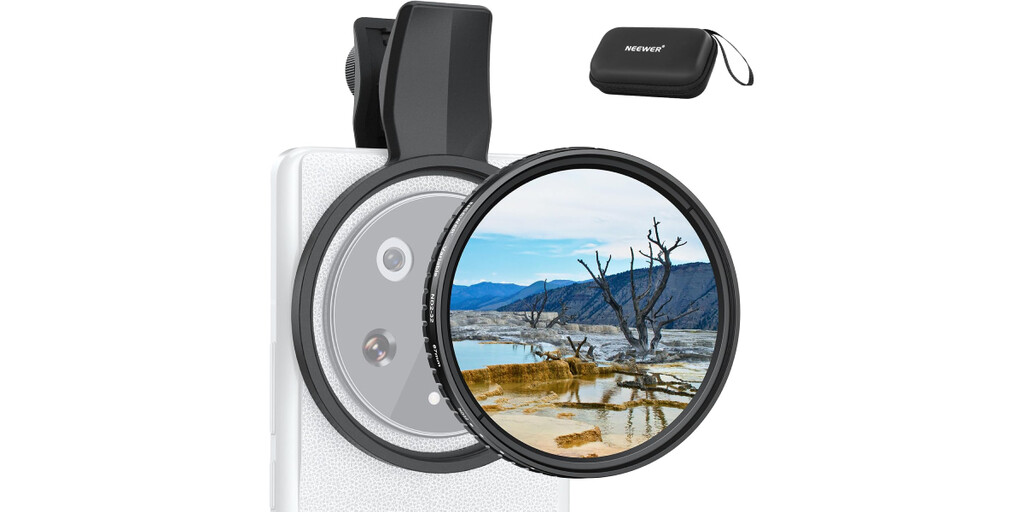
The kit also includes a lens hood and cleaning cloth, making it a comprehensive package for beginners. At around 30 euros, it's an affordable entry point.
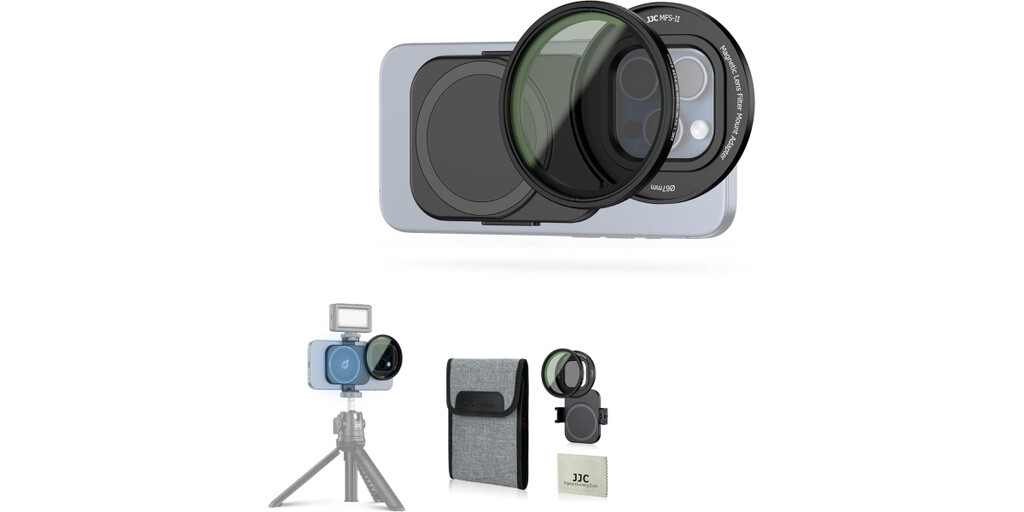
2. JJC Magnetic ND2-ND32 Filter for iPhone 14/15/16 Pro Series
If you own an iPhone 14 or later, the JJC magnetic filter is a perfect match. It attaches magnetically to the camera module, ensuring a secure fit and easy alignment. The filter reduces exposure by 1 to 7 stops, giving you greater control over brightness. At 43.99 euros, it's a bit pricier but offers convenience and a sleek design.
Remember that for solar photography, you'll need to use the highest setting and avoid looking directly at the sun through the filter without proper solar glasses.
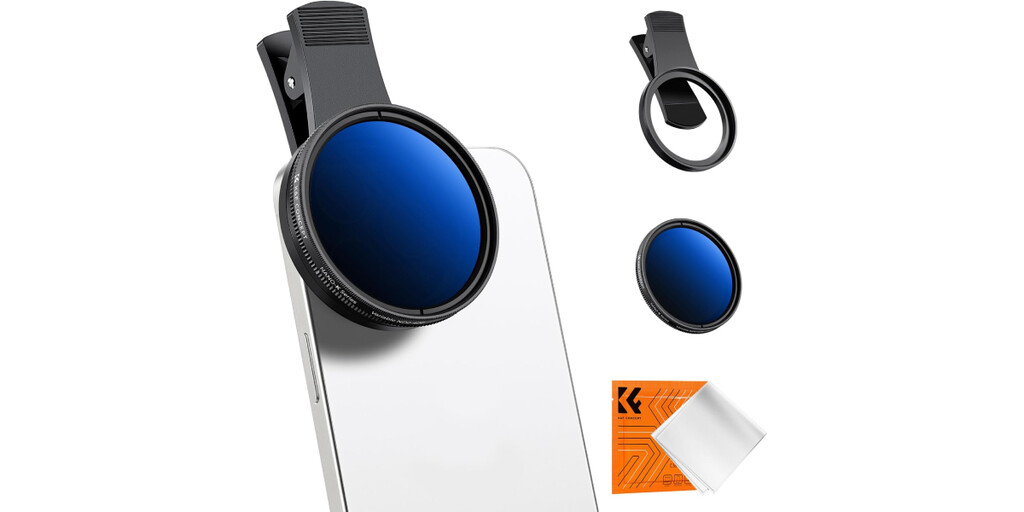
3. K&F Concept 67mm Magnetic ND2-ND128 Filter for iPhone 14/15/16 Pro/Plus/Max
The K&F Concept filter is a more economical option at 27.99 euros. It also attaches magnetically and offers a variable range from ND2 to ND128 (1 to 7 stops). This filter is designed specifically for iPhone models and provides good optical quality.
With a maximum density of ND128, it blocks a significant amount of light, but for direct solar viewing, you should still exercise caution and consider a dedicated solar filter.
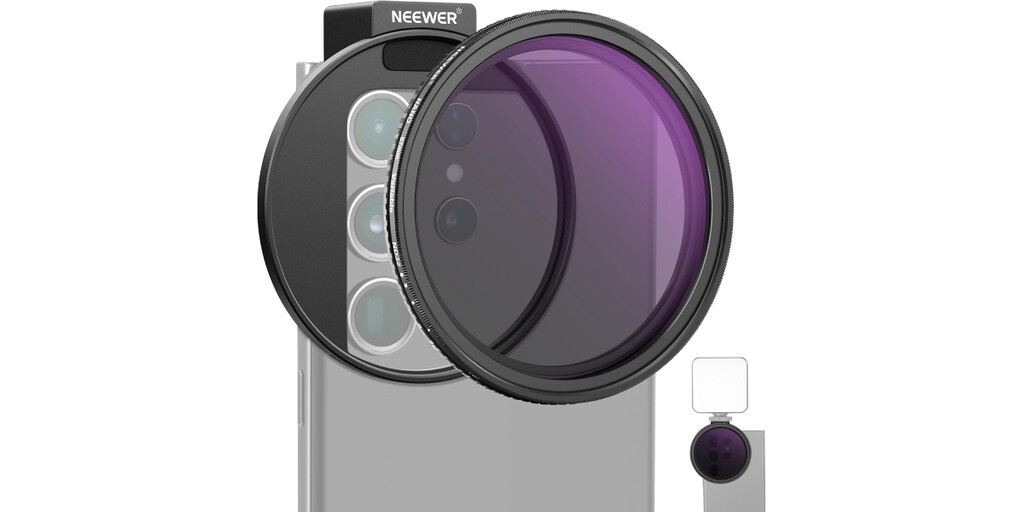
4. Sandmarc 67mm Variable ND Filter for Smartphones
Sandmarc is known for high-quality smartphone photography accessories, and their variable ND filter is no exception. It offers 2 to 5 stops of light reduction and comes with a clip-on mount that fits most phones. The build quality is excellent, and the filter is made from multi-coated optical glass.
Priced at around 50 euros, it's a premium option for enthusiasts who want reliable performance. The background to this story is set out in Total Solar Eclipse Photography: Essential Gear for Your Camera Bag. A related thread runs through How to Photograph the 2026 Total Solar Eclipse with Your Phone Safely. Earlier coverage in Solar Eclipse Viewing Tips from Real Observers shows how the argument developed.
5. Moment 67mm Variable ND Filter for Smartphones
Moment's variable ND filter is another top-tier choice. It provides 2 to 5 stops of light reduction and is compatible with their phone cases and mounts. The filter is crafted from high-quality glass and offers smooth adjustment. A closer look at the same subject appears in Best Solar Telescopes for Safe Solar Eclipse Viewing. Anyone following the wider picture can start with August 2027 Total Solar Eclipse in Spain: Viewing Guide. The same theme surfaces in Solar Eclipse Communal Magic: Cornwall's Skyward Moment, which takes a different angle.
At approximately 60 euros, it's an investment, but the quality is unmatched. For solar eclipse photography, you'll need to ensure it's set to maximum density. Context on how this played out before sits in Solar Eclipse in Cornwall: A Magical Communal Experience. A companion piece, Europe Solar Eclipse 2026: Rare Spectacle Draws Millions, approaches the same subject from another angle.
Comparison Table
| Filter | Price (approx.) | Light Reduction | Compatibility | Mount Type |
|---|---|---|---|---|
| NEEWER 67mm Kit | €30 | ND2-ND32 (1-5 stops) | Universal | Clip-on |
| JJC Magnetic ND2-ND32 | €43.99 | ND2-ND32 (1-7 stops) | iPhone 14/15/16 Pro | Magnetic |
| K&F Concept ND2-ND128 | €27.99 | ND2-ND128 (1-7 stops) | iPhone 14/15/16 Pro/Plus/Max | Magnetic |
| Sandmarc Variable ND | €50 | 2-5 stops | Universal | Clip-on |
| Moment Variable ND | €60 | 2-5 stops | Universal (with case) | Clip-on |
Key Takeaways
- Protect your sensor: Always use an ND filter when pointing your phone at the sun to prevent permanent damage.
- Choose high density: For solar photography, select a filter with high optical density (ND100000 or dedicated solar filter) or stack filters to achieve sufficient light reduction.
- Compatibility matters: Ensure the filter fits your phone model; magnetic mounts are convenient for iPhones, while clip-on filters are universal.
- Practice safety: Never look directly at the sun through the filter without proper solar glasses; the filter protects the camera, not your eyes.
- Test before the eclipse: Practice attaching and adjusting the filter to avoid fumbling during the event.
FAQ
Can I use any ND filter for solar eclipse photography?
Not all ND filters are safe for solar photography. Standard variable ND filters may not block enough infrared and ultraviolet light, which can damage your sensor. It's best to use a dedicated solar filter or stack multiple ND filters to achieve a density of at least ND100000. Always check the manufacturer's specifications for solar use.
Will an ND filter protect my phone's sensor from the sun?
Yes, an ND filter reduces the intensity of light entering the lens, preventing overheating and damage to the sensor. However, you must use a filter with sufficient density and avoid prolonged exposure. Even with a filter, it's wise to limit the time your camera points at the sun.
How do I attach an ND filter to my smartphone?
Most ND filters for smartphones come with a clip-on mount or a magnetic adapter. Clip-on filters are universal and fit most phones, while magnetic filters are designed for specific models like iPhones. Simply clip or snap the filter over your phone's camera lens and adjust as needed.
Can I use these filters for regular photography?
Absolutely! Variable ND filters are great for landscape and portrait photography, allowing you to control depth of field and motion blur in bright conditions. They are versatile tools for any smartphone photographer.
Final Thoughts
Don't let the solar eclipse catch you unprepared. With the right ND filter, you can safely capture stunning images of this rare event without risking your phone's camera. Choose a filter that suits your budget and phone model, and practice using it before August 12. Happy shooting!
Browse the Shop
 Acacia frida deluxe solid wood bed frame |
Bedroom bench |
Bed chest drawers |
Lingerie dresser |
Frame base |
Mirror with jewelry storage |
30 Bathroom Vanity |
Memory foam queen mattress |
Mattresses for back pain |
Nightstand set of 2 |
Grand Goldman Shop |
Civil Lawyer
Deutschland Trikot WM 2026







