

Endesa has uncovered an electricity fraud scheme involving 16 restaurants in Barcelona, thanks to an artificial intelligence (AI) tool and a surprising clue: promotional videos by influencers. The utility’s AI cross-referenced electricity consumption data with the size and activity of the restaurants, flagging discrepancies that led to inspections and the discovery of illegal connections to public lighting.
The case highlights how AI is becoming a powerful tool for utilities to detect fraud, and how social media can inadvertently expose wrongdoing. It also raises questions about the role of influencers in marketing and the risks of showing off a packed venue without considering the energy bill.
Find Original Home Decor sparking conversation at Grand Goldman Shop.

How Endesa’s AI Caught the Fraud
According to El Periódico, the restaurants hired influencers to promote their businesses. The influencers visited, ate, recorded videos, and tagged the locations, sharing scenes of crowded dining rooms. What no one calculated was that those videos would end up in front of an algorithm with a very non-gastronomic question: how much electricity does this place use?
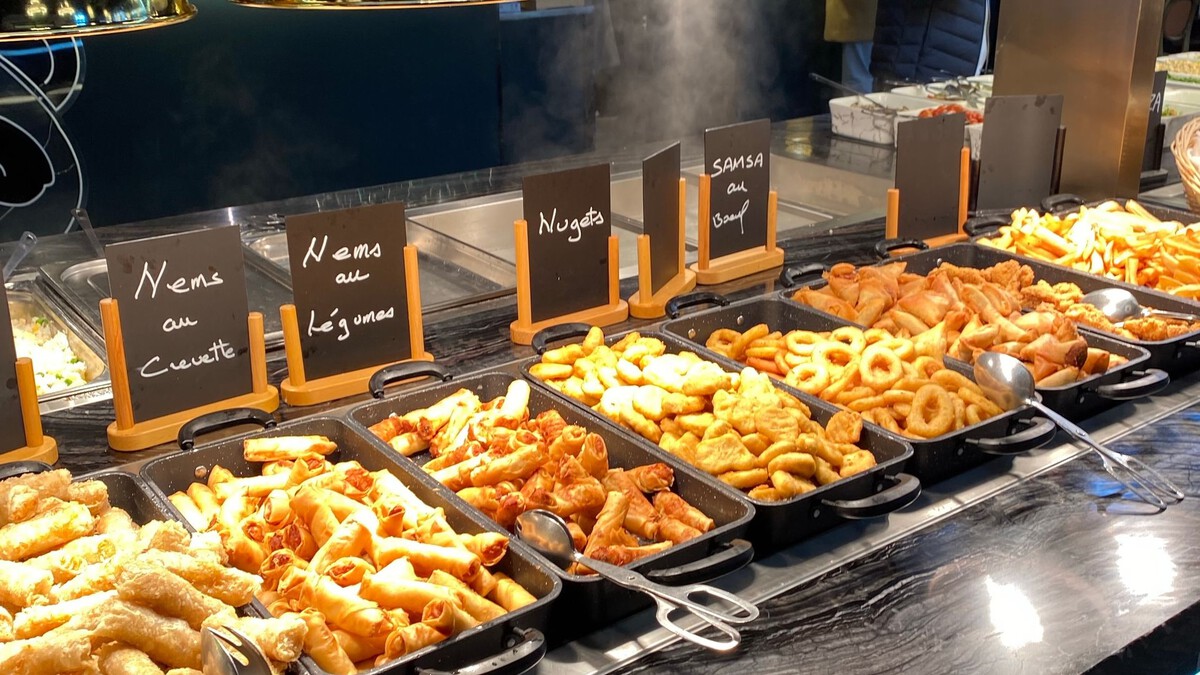
Endesa technicians ran the data through their own AI, which compared consumption with the dimensions and expected activity of each establishment. The conclusion was obvious: given their size and the number of customers shown, these restaurants should be paying significantly more for electricity.
The AI flagged the anomalies, and subsequent inspections confirmed the fraud. The restaurants were allegedly hooked up to public lighting, bypassing their meters. Endesa’s fraud unit noted that “social media is today what the Guía del Ocio of Barcelona was in the past,” referring to the influential nightlife guide.
Why This Matters for Utilities and Businesses
Electricity fraud is not a victimless crime. It drives up costs for honest consumers and can create safety hazards. For utilities, detecting fraud is a constant challenge, but AI is changing the game by identifying patterns that would be impossible to spot manually.
Endesa’s tool is already being used to detect illegal connections for marijuana cultivation, showing its versatility. The Barcelona case demonstrates that AI can combine disparate data sources—consumption records, business listings, and even social media—to uncover fraud.
For restaurants and other businesses, the lesson is clear: marketing that showcases a packed house can attract unwanted attention if your energy usage doesn’t match. Honest operators have nothing to fear, but those cutting corners may find themselves exposed by their own promotional content.
The Role of Influencers in Exposing Fraud
Influencers are hired to create buzz, but they rarely consider the implications of the content they produce. In this case, their videos provided visual evidence of high foot traffic, which contradicted the low energy consumption reported by the restaurants.
This isn’t the first time social media has been used to detect illegal activity. Law enforcement agencies increasingly monitor platforms for evidence of crimes. For utilities, social media can be a goldmine of information when cross-referenced with consumption data.
However, the use of social media for surveillance raises privacy concerns. Utilities must balance fraud detection with customer privacy, ensuring that data is used responsibly and in compliance with regulations. The longer history behind the story is traced in Endesa AI Exposes Electricity Fraud at 16 Barcelona Restaurants. More on the surrounding debate is collected in Barcelona's Electric Fraud Crisis Hits 24-Hour Supermarkets.
What This Means for the Future of Energy Fraud Detection
AI is set to become a standard tool for utilities worldwide. As smart meters become more prevalent, the volume of data available will only increase, making AI indispensable for spotting anomalies. The background to this story is set out in Pope Leo Speeches Certified Human by Australian AI Detection Tool. A related thread runs through Pastry Shop Display Trends: Uncovered Buns and Open Pastry Cases. Earlier coverage in Pastry Shop Display Trends: Uncovered Buns and Open-Air Desserts shows how the argument developed.
Endesa’s success in Barcelona could serve as a model for other utilities. By combining AI with traditional inspections, companies can recover lost revenue and deter potential fraudsters. The technology is not without limitations, but its potential is significant. A closer look at the same subject appears in Pope Leo Speeches Certified Human by AI Detection Tool. Anyone following the wider picture can start with AI Age-Detection Tool Risks Misidentifying Child Refugees as. The same theme surfaces in Trending: latest articles, which takes a different angle.
For consumers, the hope is that AI-driven fraud detection will lead to fairer prices and a more reliable grid. For fraudsters, the message is that the algorithm is watching—and it doesn’t miss much. Context on how this played out before sits in Casablanca's Financial Hub Ambitions Challenge Madrid and Barcelona. A companion piece, Mexican Cartels Exploit Car Rentals to Build Fleets, approaches the same subject from another angle.
Key Takeaways
- AI detection: Endesa’s AI cross-referenced consumption data with restaurant size and activity to flag anomalies.
- Influencer evidence: Promotional videos showing crowded venues contradicted low energy usage, prompting inspections.
- Illegal connections: The restaurants were allegedly hooked up to public lighting, bypassing meters.
- Broader use: Endesa’s tool also detects illegal connections for marijuana cultivation.
- Future outlook: AI is expected to become a standard tool for utilities to combat fraud.
Comparison of Traditional vs. AI Fraud Detection
| Aspect | Traditional Methods | AI-Powered Detection |
|---|---|---|
| Data analysis | Manual review of consumption records | Automated cross-referencing of multiple data sources |
| Speed | Slow, limited by human capacity | Fast, can process large volumes in real time |
| Accuracy | Prone to human error | High, but requires quality data |
| Scope | Limited to obvious anomalies | Can detect subtle patterns and correlations |
| Cost | Labor-intensive | Initial investment, but lower long-term costs |
FAQ
How did Endesa’s AI detect the fraud?
Endesa’s AI compared electricity consumption data with the size and expected activity of each restaurant. The promotional videos showed crowded venues, which suggested higher energy use than reported, prompting inspections.
What happened to the restaurants involved?
The restaurants were inspected, and fraud was documented. They were allegedly connected to public lighting illegally, bypassing their meters. Endesa’s fraud unit is handling the case.
Can this AI be used to detect other types of fraud?
Yes, Endesa’s tool is already being used to detect illegal connections for marijuana cultivation. The AI can be adapted to identify various anomalies in energy consumption.
What are the implications for businesses using influencers?
Businesses should ensure their energy usage is legitimate and matches their operations. Promotional content that shows high activity could attract scrutiny if consumption data doesn’t align.
Browse the Shop
 Acacia frida deluxe solid wood bed frame |
Bedroom bench |
Bed chest drawers |
Lingerie dresser |
Frame base |
Mirror with jewelry storage |
30 Bathroom Vanity |
Memory foam queen mattress |
Mattresses for back pain |
Nightstand set of 2 |
Grand Goldman Shop |
Civil Lawyer
Deutschland Trikot WM 2026







